
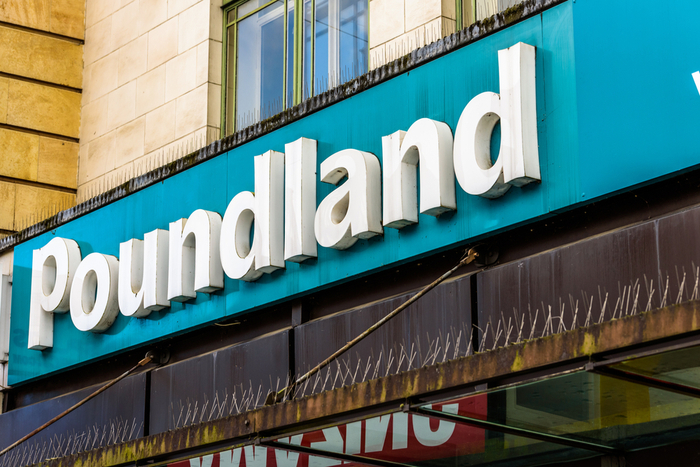

Pepco Group, the owner of Poundland, is facing ongoing supply chain challenges, impacting sales and operations.
Despite these hurdles, the company’s revenue growth remains positive, driven by strategic expansion and operational adjustments.
The Pepco Group, owner of popular retail entities such as Poundland and Dealz, has experienced significant hurdles in its supply chain operations. Over the recent quarter, these disruptions have notably affected its like-for-like sales, which saw a decline of 3.1% compared to the previous year. Such issues have primarily arisen from geopolitical instabilities affecting shipping routes, particularly through the Suez Canal.
Despite these challenges, Pepco Group’s overall financial performance has been resilient. Total revenue for the 51-week period ending September 22 increased by 10%, largely attributed to new store openings. The Group expects to achieve an underlying EBITDA of at least €900 million (£787 million), marking a substantial 20% rise from the previous financial year.
With a strategic focus on expanding its footprint, Pepco Group plans to open 64 new stores in the fourth quarter alone. This ambitious expansion is expected to culminate in a net increase of 390 stores by the year’s end, aligning with previously set corporate objectives. The group’s growth strategy also underscores its commitment to enhancing supply chain efficiencies.
Andy Bond, the executive chair of Pepco Group, conveyed his satisfaction with the progress in rebuilding profitability, particularly within the Pepco business segments across Central and Eastern Europe. He highlighted the record revenue and underlying EBITDA anticipated for FY24, driven by marked improvements in gross margins. However, he acknowledged the necessity for ongoing enhancements in like-for-like sales and supply chain operations.
Maintaining a strong market position, the group remains steadfast in its ambition to lead in price competitiveness. This is coupled with efforts to augment core customer propositions, reflecting the group’s strategic intent to uphold its reputation as a leading discount retailer in the region.
Geopolitical events, particularly militant activities in the Red Sea region, have exacerbated supply chain challenges. These events have impeded shipping and distribution channels, directly affecting stock availability in stores. The company is actively exploring alternative logistical solutions to mitigate these disruptions.
In summary, while supply chain disruptions present ongoing challenges, Pepco Group’s robust financial strategies and expansion plans position it favourably for future growth. Continuous efforts to enhance supply chain resilience remain crucial as the group strives to meet its operational and financial targets.
Pepco is strategically positioned to overcome current disruptions and achieve its growth objectives.
With ongoing improvements, the group aims to maintain its leadership in the discount retail market.

