
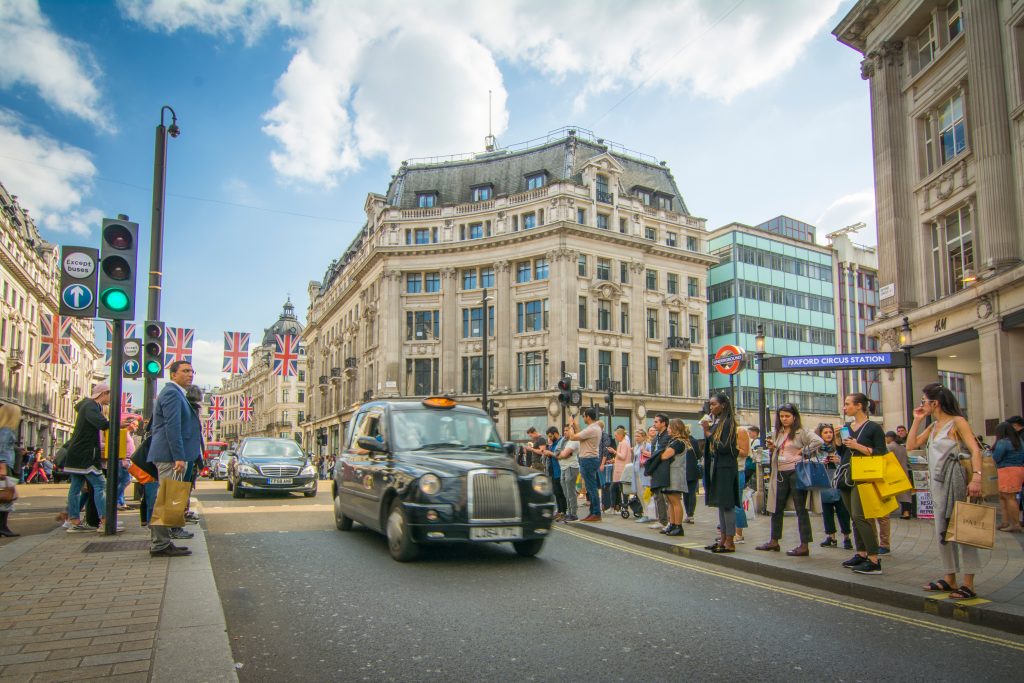

A proposal to pedestrianise part of Oxford Street aims to revitalise this bustling area of London. With increasing foot traffic and economic potential, this change promises to transform the urban landscape.
The initiative, led by Mayor Sadiq Khan, seeks to enhance safety, air quality, and economic vitality by limiting vehicle access between Oxford Circus and Marble Arch.
The Proposal for Pedestrianisation
The concept of pedestrianising a section of London’s Oxford Street aims to revitalise one of the city’s most iconic areas. This proposal, spearheaded by London Mayor Sadiq Khan, focuses on introducing a 0.7-mile pedestrian zone between Oxford Circus and Marble Arch. The initiative builds upon existing restrictions that currently limit vehicle access during specific hours, primarily aiming to enhance pedestrian safety and improve air quality.
Mayor Khan emphasised the critical need for this change, pointing out, “Oxford Street was once the jewel in the crown of Britain’s retail sector”. Recent challenges have prompted the reconsideration of its accessibility to boost foot traffic, thereby fostering economic resurgence and offering a sustainable shopping experience that aligns with modern urban planning principles.
Implementation and Economic Impact
This pedestrianisation plan forms an integral part of the broader £90 million Oxford Street Programme. The initiative is a collaborative effort between Westminster City Council and the New West End Company, aiming to enhance the infrastructure and aesthetic appeal of the area. Initially set to commence in the autumn, the programme pledges to widen pavements, accommodating an anticipated increase in visitor numbers.
Notably, this transformation signifies more than just infrastructural adjustments. The economic implications of this initiative are substantial, as it is expected to create new employment opportunities and stimulate local businesses. This aligns with the strategic vision to restore Oxford Street to its former vibrancy.
Public and Business Reactions
The potential pedestrianisation of Oxford Street has triggered varying responses from the public and local businesses.
While many retailers welcome the prospect of increased foot traffic, some express concerns over potential disruptions during construction phases. These mixed reactions underscore the complexity of urban redevelopment projects, balancing economic benefits with the practical challenges posed to existing businesses.
Public opinion also reflects a desire for improved environmental conditions. For residents and visitors, a vehicle-free Oxford Street could significantly enhance the urban experience, offering a cleaner and safer environment conducive to leisure and commerce.
Challenges and Considerations
Despite the optimism surrounding the pedestrianisation, several challenges remain. Traffic management is a significant concern, as Oxford Street serves as a key artery for London’s transport network. The exclusion of buses and taxis during the pedestrian-only hours is a focal point of discussion, requiring strategic planning to ensure seamless mobility for commuters.
Moreover, the project’s success heavily depends on the collaboration between government authorities and local stakeholders. Transparency in planning and execution processes is crucial to mitigate disruptions and ensure that the economic and social benefits are maximised for all parties involved.
Environmental Benefits and Urban Experience
The proposed changes promise notable environmental benefits. By reducing vehicular traffic, the initiative aims to significantly lower air pollution levels, contributing to London’s broader sustainability goals. This aligns with Sadiq Khan’s environmental policies, fostering a greener urban landscape that benefits both residents and visitors.
The pedestrianisation could also transform Oxford Street into a more vibrant urban space, encouraging cultural and social interactions. Enhanced public spaces often lead to increased community engagement, providing opportunities for events and public gatherings which can enrich the cultural fabric of London.
The long-term vision positions Oxford Street not only as a commercial hub but also as an emblematic urban space that reflects the city’s commitment to sustainable development and quality of life improvements.
Looking Ahead
The forthcoming changes to Oxford Street represent a pivotal shift in urban planning within London. By focussing on pedestrianisation, the city aims to set a precedent for future developments, potentially influencing other major cities globally to reconsider their urban infrastructure strategies.
The project is a testament to the evolving needs of metropolitan centres, highlighting the balance between maintaining historical integrity and embracing modernity. As the city moves forward with these plans, continuous monitoring and adjustments will be necessary to address emerging challenges and ensure that the intended outcomes of revitalisation and sustainability are achieved.
The pedestrianisation of Oxford Street is poised to reshape London’s commercial landscape, emphasising sustainability and economic growth.
This ambitious plan promises to enhance both the urban experience and the economic fabric of the city, reaffirming London’s commitment to modern urban development.

