

Pasquill, a leading timber frame manufacturer, is revolutionising its production capabilities.
- The company is investing £4m in an advanced automation system at its Redhill facility.
- This upgrade is set to double the plant’s production capacity.
- The new system, AutoEye, enables the creation of complex trusses efficiently.
- Automation will alleviate labour demands, crucial amid skilled worker shortages.
Pasquill, a significant player in the timber frame manufacturing industry, is poised to transform its production process at the Redhill factory through the implementation of a cutting-edge automation system. This £4m investment is strategically aimed at doubling the factory’s output without necessitating additional workforce, a vital move considering the ongoing scarcity of skilled labour in construction.
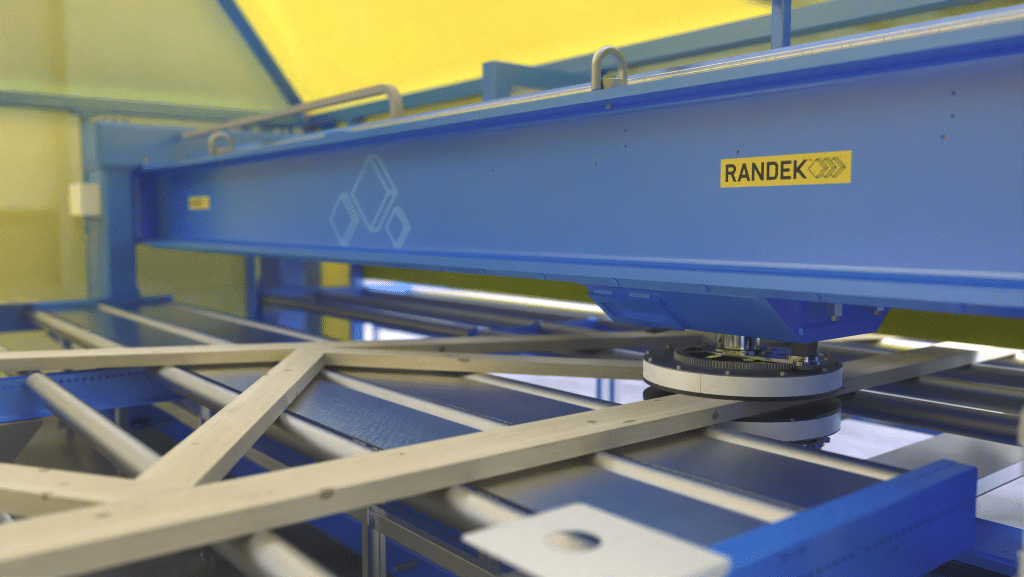
The establishment’s ambitious automation project centres around the Randek AutoEye system from Sweden, marking Pasquill as one of the pioneering trussed rafter brands in the UK to adopt such technology. AutoEye promises to significantly enhance the factory’s efficiency by visually identifying truss joints, and automating the placement and securing of nail plates, potentially halving the time required for manufacturing. This improvement will allow Pasquill to meet increased demands, especially during peak periods.
Preparatory work for the installation of the AutoEye system is underway, with expectations set for a November completion. This strategic enhancement not only boosts productivity but also empowers the existing workforce by allowing them to focus on other essential projects within the enterprise. The automation journey is underscored by Pasquill’s commitment to staying ahead in a competitive market.
Chris Powell, Pasquill’s director, expresses pride in leading the UK market with this advanced solution, underlining the balance of boosting capacity while managing the current workforce efficiently. “We are proud to be the first business in the UK to receive the Randek AutoEye Truss system. It will allow us to boost our capacity without the need for additional manpower, which is crucial as we continue to see a shortage of skilled workers in construction,” he states.
As the Redhill site gears up for this transformative phase, the broader implications for the housebuilding industry remain optimistic. The integration of advanced automated systems not only promises enhanced capacity for individual businesses but also supports the wider industry’s growth ambitions.
Pasquill’s strategic automation initiative is set to redefine manufacturing efficiency amid labour constraints.

