
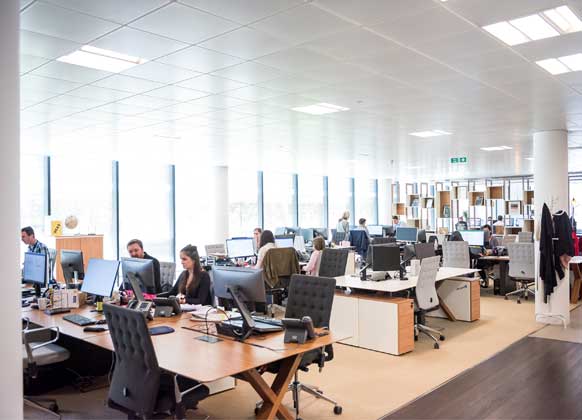

Research reveals that more than 2.5 million UK workers are hesitant to return to the office.
- A third of employees wish to continue remote work permanently after the pandemic.
- Government guidelines have led to a preference for a hybrid working model among a quarter of workers.
- Only 20% of the workforce is ready to return to the workplace immediately.
- Concerns about commuting, shared spaces, and workplace intensity are prevalent.
In a recent survey conducted by online printing specialists, instantprint, it was found that a significant portion of the UK workforce prefers to continue working from home even as the pandemic subsides. More than 2.5 million employees, representing 8% of the workforce, expressed that they would never feel comfortable returning to their traditional office settings. This sentiment underlines a broader transformation in workplace preferences prompted by extended periods of remote working.
The data further highlights that over one-third of employees are content with their home working arrangements and would like this setup to become permanent. For these individuals, the home has become the new office, and the concept of traditional workplace attendance seems increasingly outdated. This shift is understandable, given the UK government’s prolonged endorsement of remote working as a safety measure during the pandemic.
Meanwhile, a substantial number of employees, roughly 24%, advocate for a blended or hybrid working model, combining both office attendance and remote work. This preference reflects a desire for flexibility and the benefits of both environments. The hybrid model allows employees to maintain the comfort of home working while reaping the social and collaborative advantages of office work.
A smaller proportion, just 20%, reported readiness to return to office work immediately, with June 2021 emerging as the next popular target for return at 14%. Conversely, some employees foresee their return delayed until 2022, illustrating the varied levels of readiness across the workforce. It reflects differing personal circumstances and comfort levels with returning to a pre-pandemic routine.
Among the elements of office life that workers miss the most are social interactions such as small talk (33%), the social aspect (31%), and general gossip (31%). These results highlight the human aspect of work that remote interactions cannot fully replicate. Furthermore, aspects like proper lunch breaks (26%), the tea and coffee routine (24%), and face-to-face meetings (23%) are also keenly missed.
There is, however, trepidation about returning, as 39% of respondents are not keen on resuming the daily commute. Sharing kitchen facilities (23%) and concerns about intense work environments (19%) also add to the apprehension. These concerns are nuanced by personal situations, with parents showing more eagerness than pet owners to return to office settings.
Interestingly, the survey reveals a strong desire among employees to avoid specific topics upon returning to work. Covid discussions top this list, with 42% preferring it banned from workplace conversations. This is followed by politics (27%), furlough (26%), and vaccination talks (21%), illustrating a collective fatigue of pandemic-related discussions.
The survey highlights a transformative attitude towards office work, signalling a shift towards more flexible working arrangements.

