
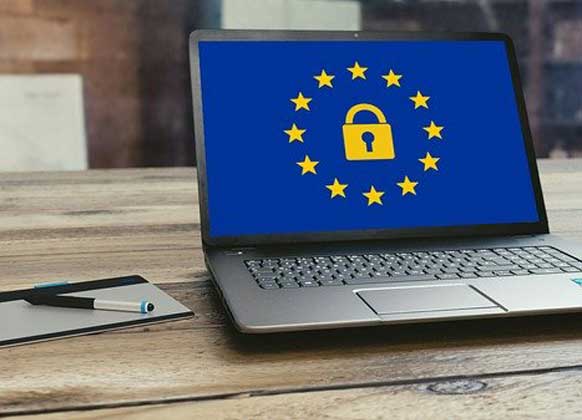

Research indicates that home working is the norm during the UK’s lockdown.
- A study reveals 10% of home-working Brits believe they are not GDPR compliant.
- 13% of remote workers are using personal technology for work purposes, raising concerns.
- Two-thirds of remote employees report insufficient IT support from employers.
- GDPR compliance failure could lead to significant financial and relationship penalties.
The transition to remote working has become the standard practice in the UK amidst ongoing lockdown conditions, with businesses attempting to maintain operations as usual. Despite this, a recent study by IT support company ILUX has brought to light critical concerns regarding GDPR compliance among remote workers. An alarming statistic from the survey shows that one in ten employees working from home harbour doubts about their adherence to GDPR regulations.
Further complicating compliance issues, 13% of the workforce admitted reliance on personal home technology for professional tasks. This mixture of personal and professional technology use could potentially breach data protection laws designed to safeguard personal information. The use of non-company devices for work purposes often means lacking crucial security measures necessary to prevent data breaches and unauthorised access.
A fundamental challenge noted in the research is the support provided to remote workers, or rather the lack of it. Two-thirds of those surveyed expressed feelings of inadequate IT support from their employers, marking a significant shortfall in the resources necessary for maintaining data security and compliance. Employees also cited that management appeared either too occupied or stressed to provide the needed assistance.
James Tilbury, Managing Director at ILUX, emphasises the gravity of the situation, stating that failing to provide appropriate IT infrastructure and security could leave businesses vulnerable to severe risks, including data loss and exposure to cyber threats. Compliance with GDPR is mandatory, with non-compliance potentially resulting in fines reaching up to 4% of a company’s annual turnover and damaging business partnerships.
To address these concerns, Tilbury recommends that employees utilise only company-owned and secured devices for work-related activities, ensuring all required software updates and security patches are applied. He further advises business owners to be proactive in evaluating their remote working policies to rectify any GDPR inadequacies.
ILUX offers resources and professional advice based on their findings to guide businesses in achieving compliance. While the study indicates a promising compliance figure of 90%, it serves as a reminder for companies to assess their preparedness and take precautionary measures where necessary.
Proactive measures and thorough planning are essential to ensure GDPR compliance in remote working environments.

