
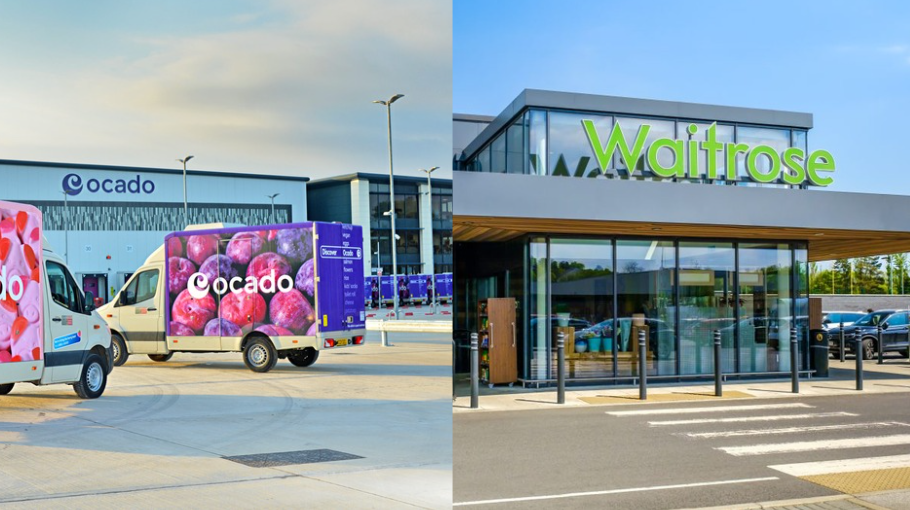

Ocado has secured its position as the fastest-growing supermarket in the UK, with significant sales increases.
- In the past 12 weeks, Ocado’s sales surged by 15.4%, maintaining its lead over other supermarkets.
- M&S followed closely with a 12.4% rise in sales, demonstrating strong commercial performance.
- Waitrose showed signs of momentum, with sales growing by 3.9% compared to last year.
- Supermarkets have faced slower total sales growth, impacted by seasonal changes and consumer behaviours.
Over the previous three months, Ocado has consistently outpaced its supermarket competitors, achieving a remarkable 15.4% increase in sales. This robust growth underscores Ocado’s market strategy effectiveness and its appeal to modern consumers seeking convenience and quality. Data indicates that Ocado’s success may hinge on its ability to synergise online sales with consumer demand for fresh produce and curated choices.
Meanwhile, M&S has also exhibited strong growth, with sales rising by 12.4%. This performance cements M&S’s position as a significant player in the retail market, appealing to a demographic that values premium quality. The brand’s ability to leverage its reputation for excellence in food offerings appears to be a key driver in its growth trajectory.
Waitrose, traditionally an upmarket choice, reported a sales growth of 3.9%, marking an uptick in its market momentum. The supermarket has achieved increased patronage and frequency of visits, drawing in a clientele attracted to its premium products. This affirms Waitrose’s place in catering to consumers who prioritise quality, even when economic conditions tighten.
The overall supermarket sector has seen a deceleration in growth, with a 4% increase in total till sales over the four weeks leading up to September 7, a slowdown from the 5.5% growth noted previously. The shift is largely attributed to changing consumer behaviour as seasonal routines shift and environmental factors such as cooler weather influence shopping habits.
Furthermore, online sales continue to capture a growing share of the supermarket market, now accounting for 13% of FMCG spend. A modest growth in the number of online shoppers and frequency of online purchases has driven this trend, with online FMCG sales up by 6.1%, significantly outstripping physical store growth of 1.8%.
Retailers are adapting to consumer needs amid seasonal shifts and economic pressures, necessitating focused strategies for sustained growth.

