
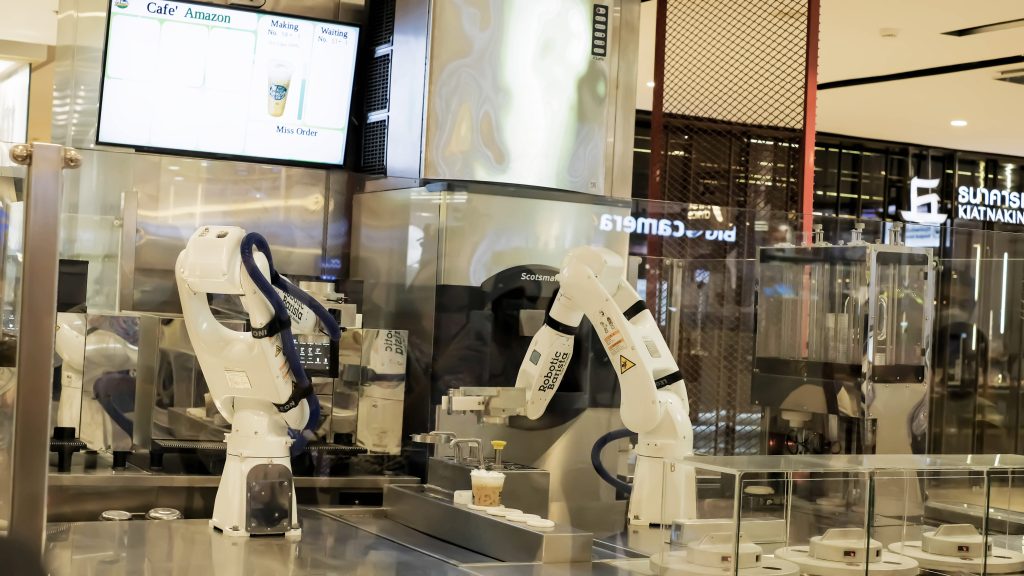

Ocado-backed robotics start-up Karakuri, once a promising venture, has been sold for merely £350,000. This sale occurred despite significant investments amounting to millions from prominent sources.
Established in 2018 by entrepreneur Barney Wragg, Karakuri aimed to revolutionise kitchen automation. However, financial hurdles led to its administration and eventual sale, raising concerns about future funding in similar ventures.
The Rise and Fall of Karakuri
Karakuri was birthed with the ambition to transform the foodservice industry using robotic technology. With innovations like a robotic chef suited for preparing noodles and an automatic fryer, the company showcased its potential in collaborations with major food chains such as Nando’s. However, despite raising £13 million, the start-up faced insurmountable financial challenges.
The decline began when Karakuri struggled to secure new investment to sustain its operations. The economic climate, coupled with dwindling venture capital interest, exacerbated the situation. By 2022, the company had exhausted £3.3 million, leading to its downfall and the unfortunate layoff of 30 employees.
Efforts to Salvage the Business
Recognising the financial predicament, Karakuri sought various avenues to maintain viability. Accountancy firm RSM was engaged to explore strategic alternatives, including the possibility of administration.
Despite these efforts, negotiations with investors to recapitalise fell through, leaving the company with limited options. Damian Webb of RSM stated, “Karakuri explored all available options to secure the available funding to take it to profitability. Regrettably, the current economic landscape undermined these efforts.”
Ocado’s Involvement and Implications
Ocado’s stake in Karakuri was part of its strategic push towards integrating technology in food services. The investment highlighted Ocado’s commitment to innovation.
However, the setback with Karakuri’s liquidation impacts Ocado’s overall portfolio, reflecting the unpredictable nature of investing in nascent technologies. This serves as a cautionary tale for other investors in the automation field hoping for substantial returns.
Broader Economic Influences
The economic downturn has posed significant challenges to start-ups, particularly in the high-stakes technology sector. Venture capital has become increasingly selective, seeking opportunities with immediate prospects of profitability.
This scenario has left many promising ventures, like Karakuri, without the necessary funding to survive in a competitive market. The reliance on continuous capital influx is now being rigorously reassessed by investors.
Conclusion and Industry Impact
Karakuri’s journey underlines crucial lessons for upcoming tech start-ups. Sustainable financial planning and adaptability in securing diverse funding are imperative to withstand economic volatility.
Emphasis on achieving rapid operational profitability can no longer be overlooked, as depicted by Karakuri’s financial missteps. Future ventures must assess their business models meticulously against market reception and available capital.
Conclusion and Industry Impact
The sale of Karakuri for a fraction of its investment value signals a shift in how technology start-ups are evaluated amidst economic adversity.
Investors and companies alike must draw insights from Karakuri’s experience, understanding the criticality of sustainable financial strategies and market adaptability. The robotics and automation sectors continue to evolve, albeit with heightened financial scrutiny.
Karakuri’s saga serves as a stark reminder of the perils and unpredictability in the tech start-up arena. Investors must carefully navigate the fine line between innovation and financial prudence.
While the dream of automated culinary services endures, the industry must pivot towards models that promise both operational efficiency and financial sustainability. This case illustrates the necessary balance between visionary breakthroughs and pragmatic business strategies.

