
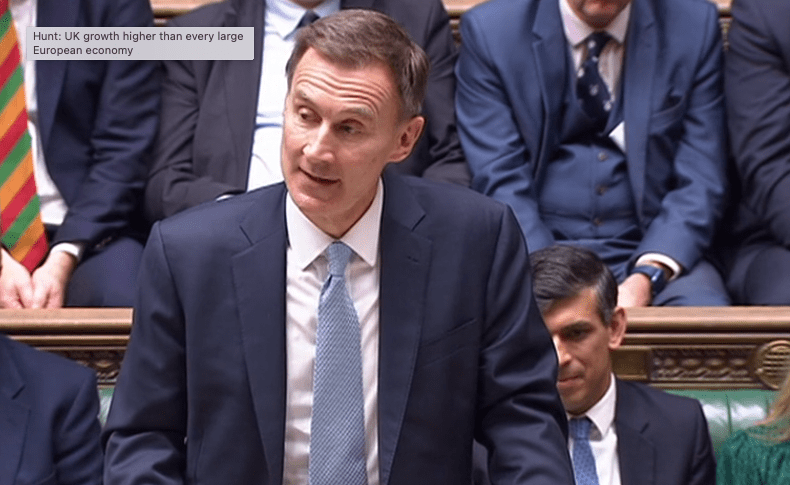

The UK Treasury has come under scrutiny following accusations of withholding crucial budget information. The Office for Budget Responsibility (OBR) has raised concerns about a possible £9.5bn discrepancy in the fiscal accounts. This revelation has ignited debates over transparency and legal compliance.
The allegations suggest a significant lapse in the adherence to the Budget Responsibility and National Audit Act 2011. The act requires comprehensive disclosure of financial data. The existing situation challenges the integrity and transparency of financial management within the Treasury.
Concerns Over Undisclosed Financial Data
The UK’s Office for Budget Responsibility (OBR) has raised serious concerns regarding the transparency of the Treasury’s financial disclosures. Richard Hughes, the OBR chief, has suggested that significant information regarding departmental budgets was withheld. This leads to a materially altered perspective on the nation’s financial outlook. The allegations highlight a systemic issue in transmitting crucial economic data from the Treasury to the OBR.
Hughes has emphasised that this lack of transparency affects the OBR’s ability to accurately forecast economic stability. Withholding such information not only questions organisational integrity but also challenges the legal frameworks established by the Budget Responsibility and National Audit Act 2011. This situation has sparked a wider debate on the extent and impact of the Treasury’s disclosure obligations.
Impact on Public Trust
The revelation by the OBR has significantly impacted public trust in the Treasury’s financial management. Although Hughes clarified that there’s no suspicion of malicious intent, the lapse has undoubtedly damaged the trust. The OBR has shifted its stance towards the Treasury from one of implicit trust to a more cautious ‘trust but verify’ approach.
This shift in confidence can have far-reaching consequences. Such developments may prompt further investigations into the Treasury’s handling of budget records. The public expects transparency and accountability, especially when billions of pounds are at stake.
Former Chancellor Jeremy Hunt expressed concerns about the timing of the OBR’s report. He suggested that its release could be interpreted as politically motivated, potentially being used as a weapon in political debates. Hunt’s remarks underscore the sensitive nature of budget disclosures and the interplay between financial oversight and political agendas.
Comparisons with Previous Budget Gaps
Chancellor Rachel Reeves recently claimed to have inherited a £22bn budget gap, sparking debate over its authenticity. The OBR, through the recent disclosure of £9.5bn in unaccounted costs, partly substantiated her claim. However, this does not eliminate the controversy surrounding the differing interpretations of financial figures.
Historically, Britain’s budget assessments have varied considerably due to factors such as economic performance, policy changes, and global market conditions. Analysis of past budget gaps sheds light on the ongoing complexities of accurately forecasting budget deficits. The Treasury’s role is crucial in ensuring that such discrepancies are minimal.
Future Financial Risks
The OBR chief also pointed to future financial risks stemming from proposed shifts in government policy. He specifically mentioned the long-term implications of transitioning to electric vehicles. Fuel duty, a significant revenue contributor, is expected to dwindle as petrol and diesel vehicles phase out.
With projections suggesting a reduction from the expected £27.2 billion in fuel duty revenues, there is a looming fiscal shortfall as the UK targets a 2035 ban on new petrol and diesel car sales. Such projections necessitate a reevaluation of revenue sources to maintain fiscal balance. These concerns raise questions about the readiness of fiscal policy to adapt to changing economic landscapes.
In addressing future fiscal responsibilities, the government needs to preemptively strategise new avenues of revenue. This requires a detailed examination of the potential impact of technological and regulatory changes on the budget. As the economy evolves, flexibility in revenue management becomes paramount.
Legislative Framework and Challenges
The National Audit Act 2011 is designed to ensure comprehensive oversight of public finances. Yet the recent allegations against the Treasury raise doubts about its effectiveness. The laws intended to safeguard economic transparency appear to be stressed under current conditions.
If the act’s requirements are not met, the consequences could ripple through government accountability protocols. Legal intervention might be necessary to reinforce adherence to statutory obligations, highlighting the importance of clear and communicative processes in public finance management.
The debate extends to whether current legislative frameworks adequately address modern economic dynamics. As fiscal landscapes shift, laws governing financial disclosures must adapt accordingly. It’s essential to ensure these frameworks meet contemporary needs without undermining accountability.
Political Reactions and Implications
The controversy has sparked varied political reactions. Critics argue that the timing of the report could fuel partisan debates, especially given the OBR’s crucial role in non-partisan economic forecasting. Allegations of using economic data as political leverage further complicates matters.
With the Treasury at the centre of scrutiny, political leaders are being urged to address the systemic issues highlighted by the OBR. Pressure is mounting to enhance transparency and accountability within budgetary processes.
Moving forward, policymakers are expected to refine mechanisms for unbiased economic assessments. Balancing political interests with accurate economic evaluation remains a delicate challenge for both economic authorities and government officials.
Engagement from stakeholders, including economists and legislators, is vital in fostering a narrative that prioritises clear communication of financial data. This collaboration can potentially redefine standards for future budgetary practices.
Economic Forecasting Challenges
Economic forecasting remains a challenging endeavour, particularly in the face of undisclosed or inaccurate data. The situation with the Treasury emphasises the necessity for both accuracy and transparency in economic predictions.
Forecasters rely on comprehensive data sets to model potential outcomes and advise on policy decisions effectively. Any disruption in data flow jeopardises the reliability of these predictions, affecting strategic economic planning.
As debates continue over the Treasury’s budgetary practices, the focus on improving data exchange protocols grows. Ensuring real-time, accurate information flow is crucial for economic stability.
Steps Towards Restoring Confidence
To restore public confidence, the Treasury must address the OBR’s concerns transparently and promptly. Implementing corrective measures to prevent future discrepancies is imperative. This includes enhancing data-sharing practices and reinforcing compliance with disclosure requirements.
Moving forward, the emphasis should be on strengthening inter-agency communication and cooperation. By doing so, economic assessments can be both reliable and credible, ultimately benefiting public trust in governmental financial management.
Policymakers and Treasury officials must collaborate to develop effective strategies that ensure ongoing adherence to fiscal responsibilities. Through such efforts, confidence in the government’s financial stewardship can be renewed.
The Road Ahead for UK’s Fiscal Policy
Looking forward, the UK faces significant challenges in fiscal planning. The evolving landscape requires adaptive strategies that can be implemented efficiently without compromising economic goals. The OBR’s revelations necessitate both immediate and long-term solutions.
A balance between innovation in revenue-generation and stewardship of public funds will be critical. As the government navigates the complexities of economic regulation, maintaining transparency and accountability becomes ever more crucial.
The debate over the Treasury’s financial transparency highlights a crucial point in public finance management. Ensuring accurate data communication is essential for fiscal stability.

