

The New York Times issued a correction regarding a cultural misidentification at the Emmys.
- Scottish winners Alan Cumming and Richard Gadd wore traditional attire, including kilts.
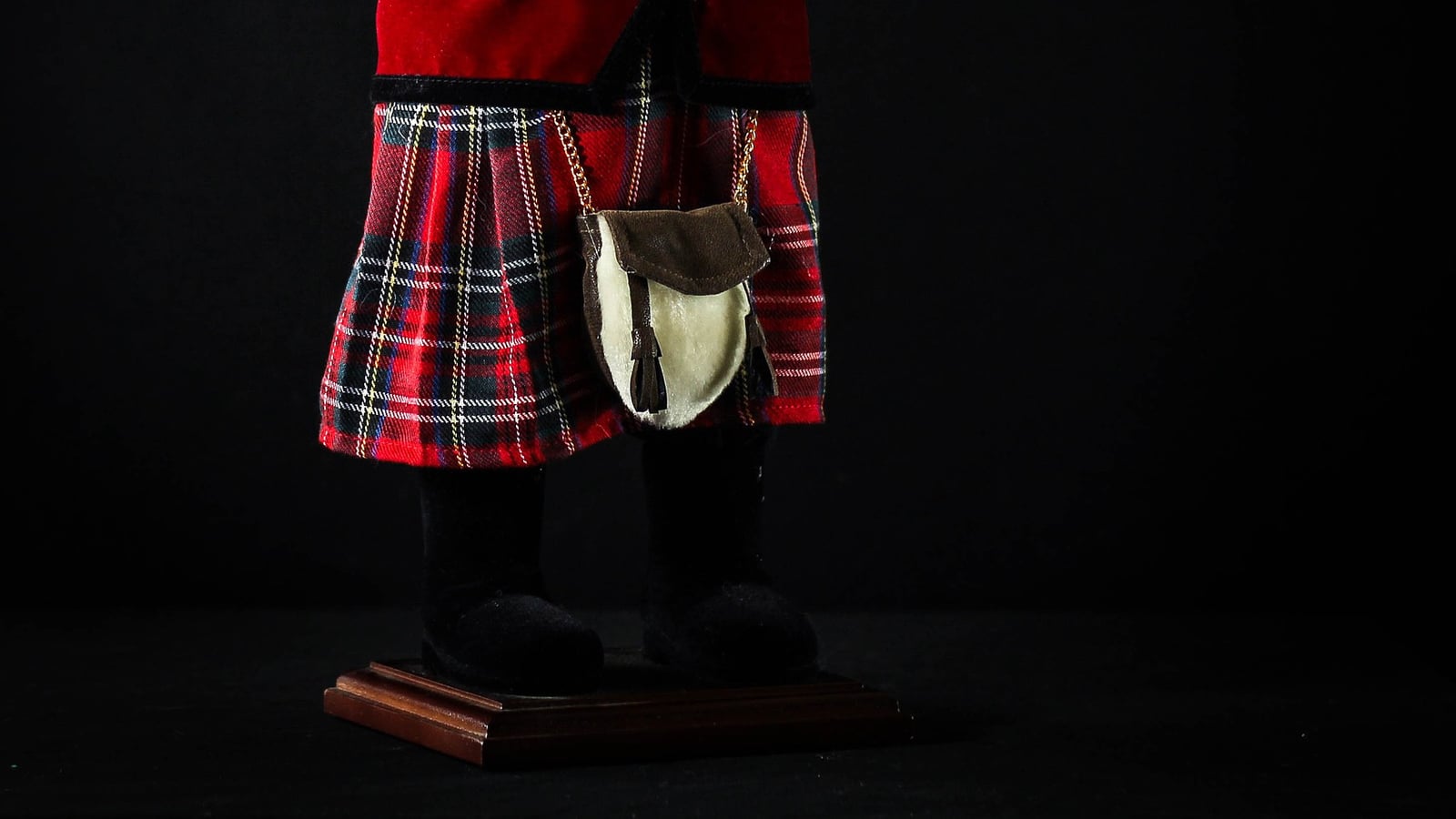
- Initially, Gadd’s sporran was mistakenly identified as a “fanny pack.”
- The Times praised the kilt as the best fashion choice of the night.
- This incident highlights the nuances of cultural attire and language differences.
During the recent Emmy awards, the New York Times found itself entangled in a cultural misstep that resulted in a somewhat humorous yet educational correction. Scottish award winners Alan Cumming, renowned for his role as the host of the US version of reality show ‘The Traitors’, and Richard Gadd, celebrated for his Netflix success ‘Baby Reindeer’, attended the event in traditional Scottish garb. Their attire featured prominently in the coverage of the event, with kilts and tartan being central to their presentation.
Despite earning accolades from the Times fashion section, where the kilt was heralded as the evening’s ‘Best Fashion Choice’, the publication made an unfortunate error in describing Richard Gadd’s accessories. The report mistakenly referenced a ‘black fanny pack over black tights’, while it should have identified the traditional Scottish pouch known as a sporran, often worn alongside a kilt. Additionally, there was some speculation over Gadd’s legwear, with implications that he wore tights, whereas photographic evidence suggested otherwise.
Following the realisation of this error, the New York Times appended a correction to their original article, stating: ‘An earlier version of this article misidentified an accessory worn by Richard Gadd. It was a sporran, a pouch traditionally worn with a kilt, not a fanny pack.’ This acknowledgement underscores the importance of cultural sensitivity and precision in journalistic reporting, especially when dealing with international or culturally specific attire.
The correction also subtly nods to the linguistic disparities between American and British English, a theme encapsulated in the phrase, ‘two nations divided by a common language.’ This incident serves as a reminder of the nuances involved in cross-cultural communication and reporting.
The episode illustrates the importance of cultural accuracy in journalism, especially in international contexts.
