
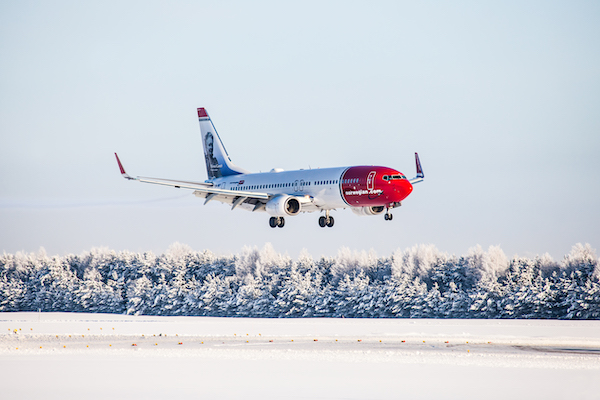

Norwegian Air grappled with significant flight delays in January due to severe winter weather. The disruptions affected nearly a quarter of its scheduled flights, marking a challenging operational period for the airline.
The Scandinavian carrier navigated these adversities while simultaneously reporting increased passenger traffic, reflecting robust demand for its services despite the climatic challenges.
Impact of Severe Weather on Norwegian Air
In January, Norwegian Air experienced significant disruptions due to adverse winter conditions, with only 76.7% of its flights departing on time. This marked deviation from their usual punctuality rates signifies the impact of harsh weather on airline operations in the region.
The airline, operated 63 aircrafts during the month, faced delays largely attributed to severe winter storms affecting the Scandinavian region. Such climatic conditions necessitated operational adjustments to ensure safety and minimal disruption, underlining the unpredictability that airlines must sometimes contend with.
Operational Adjustments and Efforts
To counter the challenges presented by the winter storms, Norwegian Air implemented several operational strategies to mitigate delays. These included strategic flight scheduling and increased coordination efforts among ground staff to ensure swift boarding and deplaning processes.
Norwegian Air’s chief executive, Geir Karlsen, expressed gratitude towards the airline’s staff, noting their tireless efforts to minimise disruptions and maintain service quality. Such acknowledgments highlight the critical role of teamwork and adaptability in managing crisis situations within the aviation sector.
Inclusion of Widerøe Traffic Figures
In January, for the first time, Norwegian Air’s traffic reports included figures from Widerøe, following the successful acquisition of the regional airline.
With this inclusion, the total number of passengers carried by the group reached 1.4 million in the first month of the year. This strategic expansion underscores Norwegian Air’s commitment to broadening its service scope and enhancing its operational capacity.
Positive Trends Despite Challenges
Despite the weather-related disruptions, Norwegian Air reported a five percentage point increase in load factors compared to the previous year. This suggests an overall strong demand for air travel, particularly to beach destinations, which continued to attract passengers seeking warmer climates.
This positive trend in passenger numbers reflects the resilience of the airline’s business operations amidst external challenges. It also indicates passenger confidence in Norwegian Air’s ability to deliver reliable service under trying conditions.
Jet Fuel Hedging Strategy
Norwegian Air has implemented a jet fuel hedging strategy covering approximately 50% of its projected consumption. This financial maneuver is designed to shield the airline against volatile fuel prices, thereby stabilising operational costs and facilitating budget certainty.
By hedging at levels close to current forward prices, the airline aims to maintain financial stability. This proactive approach to fuel management showcases Norwegian Air’s commitment to operational efficiency in an unpredictable economic environment.
Strategic Acquisition and Market Position
The Norwegian Competition Authority approved Norwegian Air’s acquisition of Widerøe in December, with the transaction finalised in early January. This acquisition denotes a strategic move to enhance Norwegian Air’s market position both regionally and globally through expanded route offerings and increased passenger capacity.
Such strategic decisions are instrumental in fortifying the airline’s competitive edge, offering more comprehensive service options to passengers while strengthening its operational framework to withstand future market fluctuations.
Outlook on Future Operations
Looking forward, Norwegian Air is optimistic about its growth trajectory, bolstered by strategic enhancements and operational innovations. The airline remains poised to capitalise on increasing travel demands while maintaining its commitment to safety and customer satisfaction.
In conclusion, despite the severe weather disruptions in January, Norwegian Air demonstrated resiliency through strategic adjustments and successful integration of Widerøe. The airline’s continued commitment to operational excellence and customer satisfaction positions it well for future challenges.

