
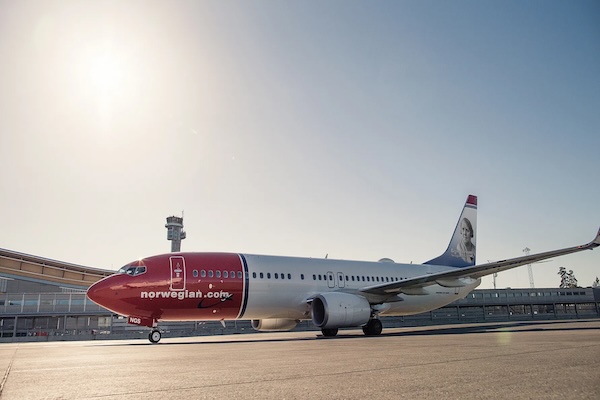

Norwegian Air is facing challenges due to expected Boeing delivery delays.
These delays may limit the airline’s growth next year.
Delivery Delays Impact Growth Projections
In a recent announcement, Norwegian Air disclosed anticipated delays in Boeing aircraft deliveries, which are set to impact the growth trajectory of the airline in the coming year. These delays present significant challenges, potentially constraining the airline’s operational expansion and limiting its planned capacity increases.
The aviation industry, already grappling with various operational challenges, faces further strain due to these delivery delays. Norwegian Air, along with its regional carrier Wideroe, has adjusted its growth projections accordingly, emphasising the potential impact on their future operational strategies.
Operational Adjustments and Expectations
As part of its strategy to address the delivery delays, Norwegian Air has revised its operational plans. Initially forecasting a capacity growth of 12% for 2024, the airline now anticipates a slowdown in growth due to these logistical issues. This adjustment reflects a broader industry trend where airlines are recalibrating their expectations in response to supply chain disruptions.
The anticipated increase in Norwegian’s fleet to over 90 aircraft by the summer of 2025, although promising, remains contingent on the resolution of the current delivery challenges. The airline’s operational flexibility will be crucial in navigating these delays, ensuring that service quality and customer satisfaction are maintained.
Financial Performance and Market Position
Norwegian Air recently reported a strong financial performance for the second quarter of the year, achieving an operating profit of NOK 593 million (£43 million). This robust performance highlights the airline’s resilience amidst industry-wide challenges, underscoring its capacity to adapt to changing market conditions.
Despite these positive financial results, the airline remains cautious in its outlook due to the ongoing delivery delays. The challenges in receiving new aircraft on time may affect Norwegian’s ability to launch new routes and expand its market presence as initially planned.
Operational Highlights and Strategic Routes
In the last quarter, Norwegian Air and Wideroe experienced a significant increase in passenger numbers, carrying 6.3 million and one million passengers respectively. This growth is indicative of the airlines’ ability to attract and retain customers despite market fluctuations.
The introduction of 27 new routes for the winter season, which includes destinations such as Dubai and Agadir, reflects Norwegian Air’s strategic approach to diversifying its route offerings. This expansion will enable the airline to tap into new markets and enhance its competitive edge.
Future Fleet and Operational Challenges
Looking ahead, Norwegian Air has outlined plans to expand its fleet, which currently includes 86 aircraft, with 22 being Boeing 737 Max 8s. This expansion is aimed at strengthening its operational capabilities and supporting future growth plans.
However, the timely delivery of additional aircraft remains a critical factor in achieving these objectives. Any further delays in deliveries may necessitate reevaluation of the airline’s strategies, potentially impacting its competitive stance in the aviation market.
CEO’s Insights and Industry Perspectives
Geir Karlsen, CEO of Norwegian Air, expressed satisfaction with the airline’s recent operations despite the delivery delays, highlighting the company’s recognition as Europe’s most punctual airline in May. This accolade underscores Norwegian’s commitment to operational excellence amidst challenging circumstances.
Karlsen’s statement reinforces the airline’s focus on maintaining high service standards and expanding its route network. By continuing to deliver strong passenger growth, Norwegian Air positions itself optimally for future challenges and opportunities within the aviation sector.
Strategic Outlook Amidst Uncertainty
Norwegian Air’s strategic outlook incorporates its response to both internal and external challenges posed by delayed aircraft deliveries. By focusing on operational efficiency and market adaptability, the airline aims to sustain growth and uphold its industry standing.
Despite these uncertainties, Norwegian Air remains committed to its strategic goals, leveraging its operational strengths to mitigate the risks associated with logistical challenges. The emphasis on adaptability will be key to navigating the evolving landscape of the aviation industry.
Norwegian Air plans to adapt strategies to handle delivery delays.
The airline is committed to maintaining service quality and growth.

