

Norway is making significant strides towards environmental sustainability by setting specific zero-emission requirements for cruise ships.
- From January 2026, the new regulations will apply to vessels under 10,000 gross tonnes, while larger ships have until 2032 to comply.
- The initiative aims to protect the pristine Norwegian fjords, recognised as UNESCO World Heritage Sites, from harmful emissions.
- This policy is expected to stimulate technological advances in the maritime industry, contributing to lower emissions.
- Norway’s approach is seen as a balancing act to encourage innovation while preserving key tourism sites and providing industry predictability.
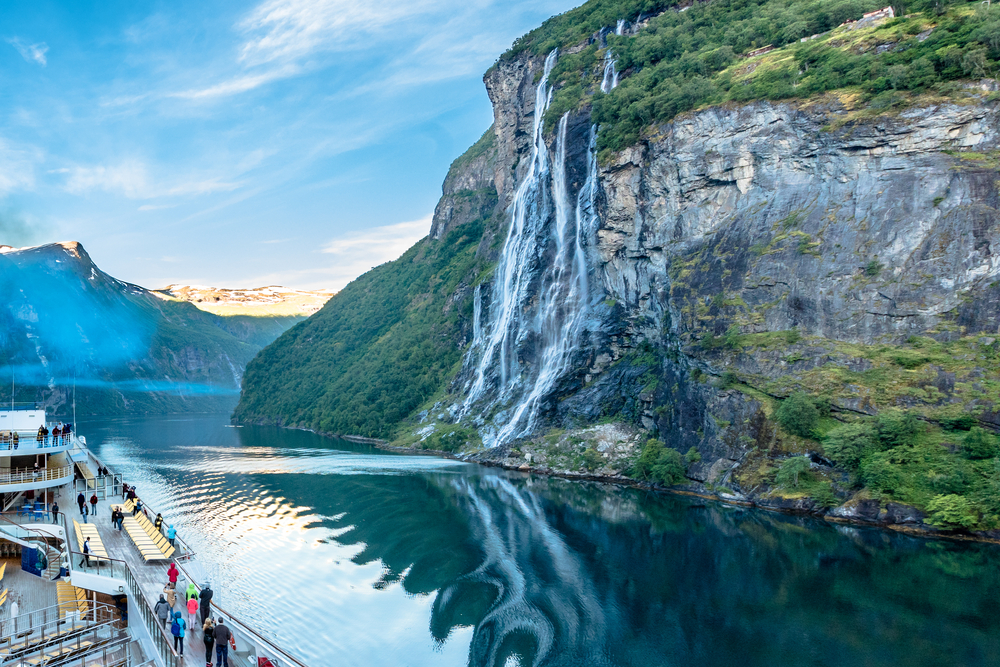
Norway is embarking on an ambitious journey towards environmental sustainability with recent regulations mandating zero emissions for cruise ships. The move, announced by the Norwegian government, highlights the nation’s commitment to preserving its natural beauty, including its World Heritage fjords. These fjords, such as the renowned Nærøyfjorden and Geirangerfjorden, are vital tourist attractions that will greatly benefit from this initiative.
The rules, set to commence on 1 January 2026, initially target vessels under 10,000 gross tonnes. From 2026 onwards, these smaller ships must comply with the zero-emission directive, paving the way for the integration of new technologies. For the larger vessels, the government has provided an extended deadline until 2032. This staggered timeline acknowledges the current technological limitations while encouraging gradual progress towards full compliance.
Climate and Environment Minister Andreas Bjelland Eriksen has articulated the multifaceted advantages of these requirements. He emphasised that they are not merely regulatory impositions but catalysts for technological innovation. According to Eriksen, “The introduction of zero emission requirements will both drive technology and contribute to the development of zero emission solutions, which will benefit the entire industry.”
The intention behind the gradual implementation is clear: it offers the maritime industry the time needed to develop and adapt to new zero-emission technologies. Moreover, the government’s pledge to support onshore power infrastructure development, such as in the port of Flåm, underscores its commitment to facilitating this transition.
This proactive measure from Norway also considers the economic contribution of the cruise industry along the Norwegian coastline. Although acknowledging the substantial value generated by cruise tourism, Eriksen and other officials recognised the pressing environmental concerns linked to greenhouse gas emissions, thus reinforcing the necessity of these regulations. Last year, prominent players like Hurtigruten Norway showcased concepts for zero-emission vessels, with the first expected to launch in 2030.
Norway is setting a precedent in maritime environmental protocols, blending sustainable tourism with technological innovation to preserve its natural heritage.

