
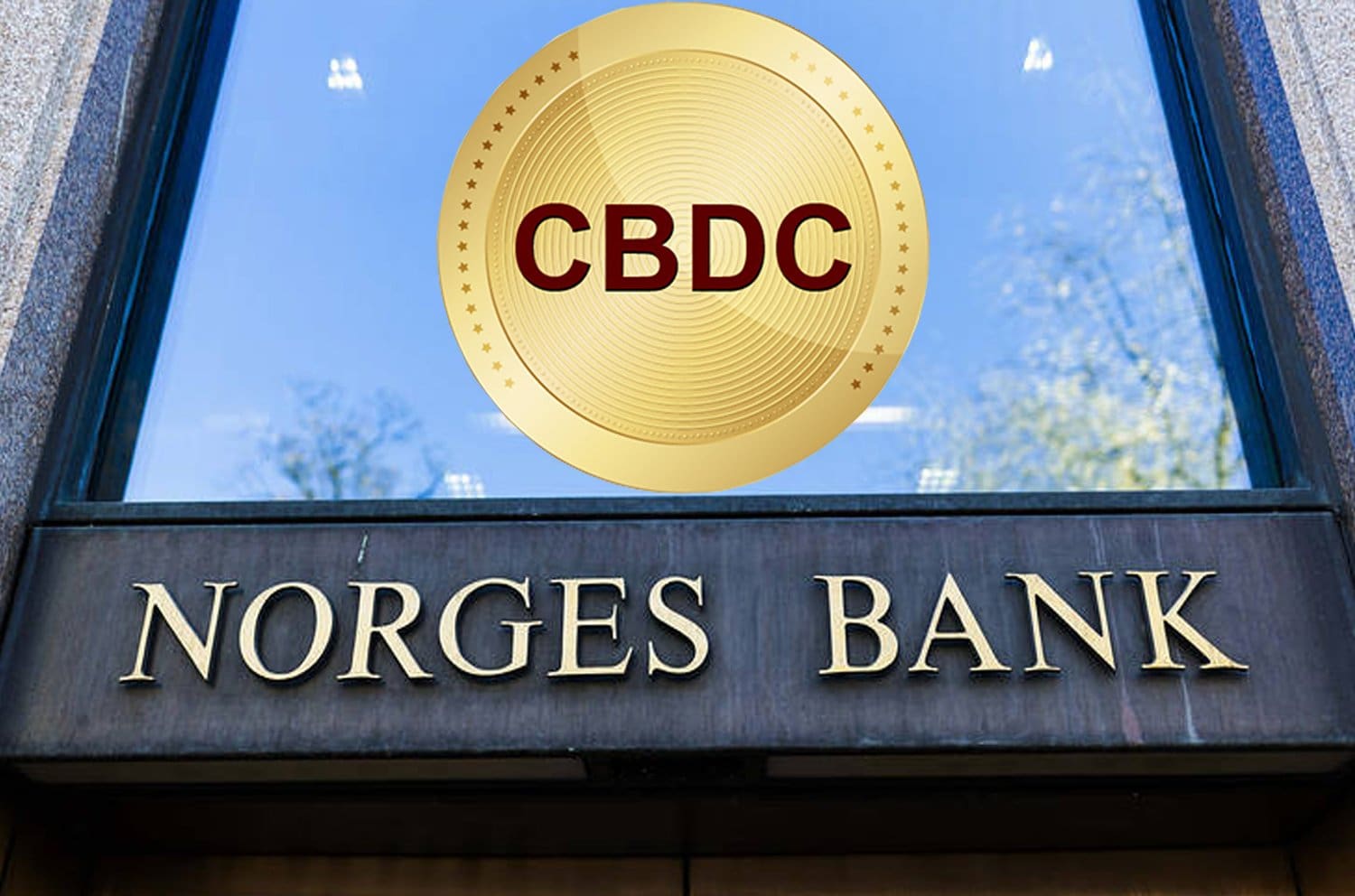

Norway is embarking on a critical exploration of digital currency prospects. With a decision anticipated next year, the central bank is carefully assessing the implementation of a central bank digital currency (CBDC).
Through detailed studies and pilot initiatives, Norges Bank aims to comprehensively understand the potential impacts of such a move, positioning itself alongside other nations advancing in digital currency exploration.
Examining the Path Towards a Digital Currency
Norges Bank is carefully navigating the complex terrain of a potential central bank digital currency (CBDC) launch. Deputy Central Bank Governor Pal Longva recently highlighted the institution’s progression in understanding the nuanced challenges and prospects of integrating such a digital framework. He assured that Norway is not falling behind, as the country continues to evaluate the holistic implications, including economic, technological, and legislative factors.
Retail or Wholesale CBDC: Deliberation and Strategy
The choice between retail and wholesale CBDCs presents a significant strategic decision for Norway’s financial authorities. A retail CBDC would cater to everyday public transactions, while a wholesale version would facilitate interbank exchanges. Many central banks appear to be leaning towards wholesale models, and Longva noted that Norges Bank is contemplating this direction, given its potential advantages in streamlining institutional financial operations.
However, the retail option remains a viable alternative. Longva stated that pursuing a retail CBDC would necessitate a more intricate partnership with private banks and various financial stakeholders, emphasising the need for extensive dialogue.
[twitter-embed-display twitter_url=’https://twitter.com/RoundtableSpace/status/1849021253891338598′]
The Current Cashless Landscape in Norway
Norway stands out as one of Europe’s most cashless societies, boasting a remarkable adoption of digital payment methods. According to World Bank data, 98% of Norwegians possess a debit card, and a significant portion frequently relies on mobile payment applications.
Despite this digital predominance, cash usage has not entirely vanished. Recent findings from Norges Bank reveal that approximately 2% of people still use cash during in-store transactions, indicating a small yet persistent fondness for tangible currency.
Moreover, new regulations effective from October enforce that all retail outlets must accept cash for payments not exceeding 20,000 kroner. This development safeguards consumers’ rights to choose their preferred payment method while reflecting on the evolving dynamics between digital and physical currencies.
Ongoing CBDC Pilot and Future Prospects
Norway’s exploration of a CBDC is currently in an evolved pilot stage, entering its fifth phase after two years of rigorous testing. This stage is crucial, as it will likely influence the bank’s final decision on whether to proceed with a digital currency issuance.
The thorough examination intends to closely observe market responses, potential economic impacts, and technological readiness. According to a previous announcement, a definitive conclusion is anticipated by the end of 2025, marking a pivotal juncture in Norway’s financial evolution.
Strategic Implications and Global Context
The move towards a digital currency by Norway must be contextualised within a global financial framework. While other countries like Switzerland have already taken concrete steps, Norges Bank aims to ensure comprehensive evaluations to sustain national financial stability and security.
This deliberate approach allows Norway to potentially circumvent pitfalls encountered by other nations. Longva stresses the importance of aligning with global trends while ensuring national interests remain a priority.
Moreover, such strategic decisions could significantly influence Norway’s economic positioning, particularly within the European financial landscape.
Public Confidence and Regulatory Considerations
With any potential introduction of a CBDC, public confidence and regulatory compliance are paramount. Longva reassures that Norges Bank’s rigorous assessments include stakeholder engagements, which are crucial for fostering trust among citizens and aligning with legislation.
Addressing regulatory aspects ensures that any future digital currency maintains the robustness necessary to function within existing legal frameworks seamlessly. This, in turn, supports a smoother transition should a CBDC be implemented.
Overall, Norges Bank’s cautious yet forward-thinking stance aims to strike a balanced consideration between innovation and caution, meeting both consumer expectations and institutional standards.
Concluding Thoughts on the Digital Currency Initiative
As Norway edges closer to its decision on a digital currency, the deliberations underscore a commitment to modernising its financial system while upholding stability and security.
In sum, Norway’s poised deliberation on adopting a digital currency reflects a balanced approach to innovation and fiscal stability. The insights gained will likely set a benchmark for integrating digital financial solutions.

