

A significant 35% revenue boost fuels growth ambitions for a Northern Ireland family contractor.
- Heron Bros reported a substantial increase in revenue, reaching £154.6m in the last financial year.
- The company’s pre-tax profit also rose, yet the profit margin slightly decreased due to broader market conditions.
- Despite challenges from Brexit and geopolitical tensions, the firm focuses on digital transformation and energy sector expansion.
- Recent contract wins, including major projects in Northern Ireland and Scotland, highlight ongoing business momentum.
Heron Bros, a family-owned contractor based in Northern Ireland, experienced a remarkable financial uplift with a 35 per cent increase in turnover, bringing its revenue to £154.6 million for the year ending 31 August 2023. The company also recorded a pre-tax profit of £11.6 million, up from the previous year’s £11 million. However, this increase in profitability came with a slight reduction in profit margin from 9.6 to 7.5 per cent, which remains significantly healthier than the average margin of 2.7 per cent observed across CN100 contractors.
In the strategic report accompanying the financial accounts, Damian Heron, executive chairman, outlined ambitious plans to expand the company’s construction and energy divisions. He stated, “We continue the pursuit of niche markets, residential developments, strategic joint ventures, and developments in conjunction with the company’s property division.” This expansion plan is part of the company’s broader Vision 2030 strategy focused on digital transformation and organisational growth.
Heron acknowledged the persistent challenges posed by local and global uncertainties, including Brexit, the Covid-19 pandemic, and the ongoing conflict in Ukraine, which exert inflationary pressures on the market. Despite these adversities, Heron Bros maintains a strong financial position, evident by their zero debt status and substantial cash reserves, amounting to £29.9 million at the end of the financial year. This financial stability has enabled an increase in employee headcount from an average of 305 to 317, resulting in a wage bill escalation from £13.3 million to £14 million.
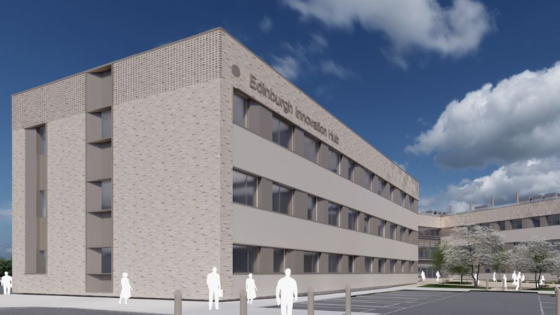
The period following these financial results saw mixed developments for Heron Bros. The setback came last November with the loss of the Casement Park stadium contract in Belfast, a significant £140 million project, following the collapse of the Buckingham Group, their joint venture partner. However, Heron Bros bounced back by securing three major contracts early in 2024. These include two projects in Northern Ireland: the £70 million Ballycastle Shared Education Campus and the £52 million Dundonald International Ice Bowl. The third is a £30 million project for the Edinburgh Innovation Hub in collaboration with East Lothian Council and Queen Margaret University.
Heron Bros’ strategic focus and strong financial grounding set a foundation for further growth despite existing challenges.

