
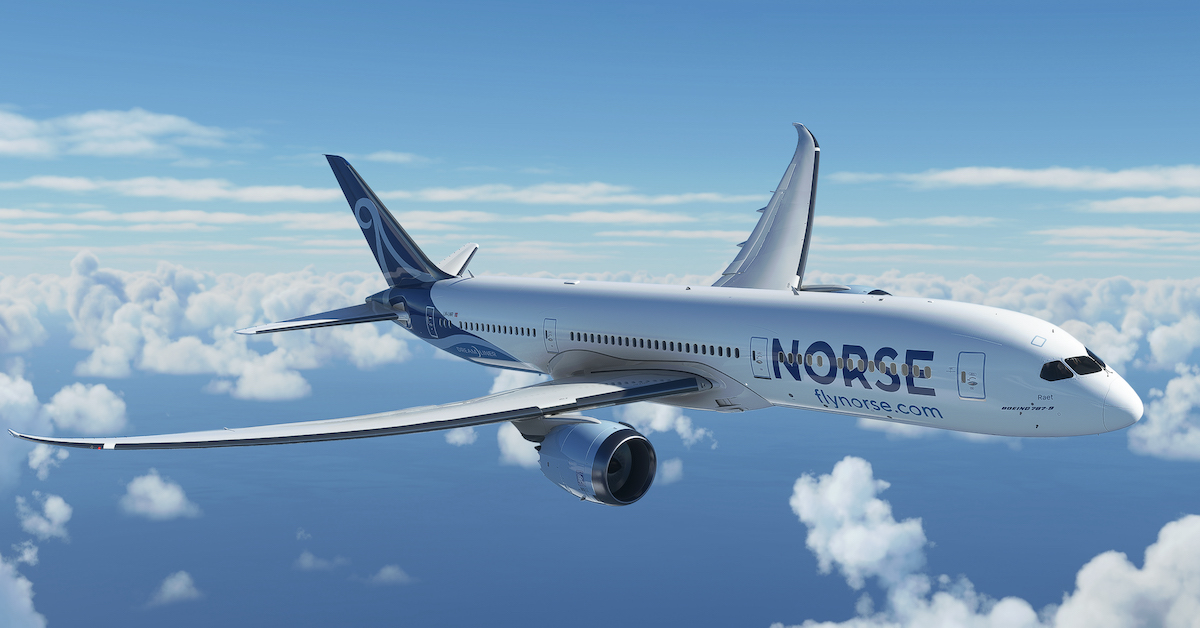

Norse Atlantic Airways, a renowned low-cost long-haul carrier, has announced that its entire fleet of 15 Boeing 787 Dreamliners will not be fully operational until the summer of 2025. The airline has opted for a strategic approach to expand gradually, reflecting its market-driven growth strategy.
This decision comes as part of the company’s revised operational plans where only 12 aircraft will be flown during the upcoming summer season. The extension of sub-leasing agreements for a portion of the fleet underscores the carrier’s tactical financial management amidst evolving market dynamics.
Strategic Fleet Management
Norse Atlantic Airways is maintaining a conservative stance on fleet utilisation. The current strategy includes operating 12 out of its 15 Boeing 787 Dreamliners this summer. By extending sub-leases for four aircraft, the airline aims to enhance its financial flexibility, allowing a phased reintroduction of the fleet to align with demand. This approach ensures sustainable growth while maximizing short-term profitability amidst industry fluctuations.
The sub-leases have been extended to optimize financial returns. Three aircraft will remain sub-leased until the second quarter of 2025, facilitating a gradual fleet expansion. This staggered fleet deployment highlights the airline’s calculated risk management approach, essential in the current unpredictable aviation market.
Financial Implications of Fleet Decisions
The decision to extend sub-leases is primarily economically driven. Norse Atlantic has opted for flexible leasing agreements established during a period of historically low rates in 2021. This decision ensures the airline capitalises on these favourable terms as it navigates through post-pandemic recovery.
The extension of sub-lease agreements is anticipated to bolster Norse Atlantic’s cash profits in the interim. The company is poised to enhance its financial stability, maintaining liquidity while strategically planning for future expansion.
Norse Atlantic’s approach of utilizing flexible lease terms reflects its adaptability to market changes. The airline is positioning itself to respond efficiently to potential demand upsurges, thus reinforcing its competitive stance in the budget long-haul segment.
The Path to Full Fleet Deployment
Norse Atlantic’s ambition is to fully operationalise its fleet by summer 2025. This timeline aligns with the airline’s broader market penetration strategy, aimed at establishing a stable operational base before embarking on further expansion phases.
The transition towards full fleet utilisation is gradual to ensure stability. By 2025, the airline anticipates a post-pandemic market recovery, providing ample opportunities for growth and increased route options. This phased approach is designed to meet market demands effectively, avoiding overcapacity issues.
While the delay in complete fleet deployment might appear cautionary, it reflects a profound understanding of market dynamics. The airline’s deliberate pace is aimed at aligning growth with market conditions, thereby securing long-term success.
CEO Insights on Strategic Direction
Bjørn Tore Larsen, founder and chief executive, has emphasised the importance of steady growth. Larsen highlighted that the airline’s measured approach allows for operational scalability aligned with market demand. His strategy underscores the importance of balancing growth opportunities with risk management.
Larsen’s comments further suggest a strategic buffer against market volatility. By ensuring that only 12 aircraft will be operational in the near term, Norse Atlantic is reinforcing its commitment to strategic prudence, ensuring robust organisational health as it approaches 2025.
The CEO’s insights reflect a commitment to sustainable industry practices. By focusing on measured fleet expansion, the airline enhances its capacity to respond dynamically to market changes, underlining the importance of strategic flexibility.
Industry Reactions and Market Context
Industry analysts have largely viewed Norse Atlantic’s strategy as prudent. Their approach to staggered fleet deployment is seen as a responsive move to uncertain market conditions, balancing growth with financial stability.
The wider aviation market has experienced fluctuating demand patterns, influencing fleet strategies across the sector. Norse Atlantic’s methodology serves as a case study in navigating post-pandemic market recovery with strategic foresight.
By maintaining operational agility, Norse Atlantic is responding to dynamic market shifts. This adaptability positions the airline to leverage emerging opportunities, aligning its operational capabilities with evolving consumer travel trends.
Future Prospects and Challenges
As Norse Atlantic prepares for 2025, challenges remain. These include aligning fleet capacity with anticipated market recovery and managing operational costs amidst economic pressures.
The airline is optimistic about its future, banking on its strategic agility to handle market uncertainties. By maintaining a flexible fleet strategy, it aims to capture new growth opportunities as the industry rebounds.
Despite challenges, Norse Atlantic’s forward-looking strategy positions it for potential market leadership. Through calculated fleet management and market responsiveness, the airline is set to navigate future challenges effectively.
Summary of Strategic Outlook
Norse Atlantic Airways has charted a course that emphasises measured growth and financial prudence. By extending sub-leases and operating a limited fleet, the airline is ensuring short-term profitability while preparing for long-term success.
Norse Atlantic Airways’ strategy to delay full fleet deployment until 2025 reflects a deeply considered approach to market volatility. By balancing operational capabilities with strategic financial management, the airline is poised to achieve sustainable growth in the coming years.

