
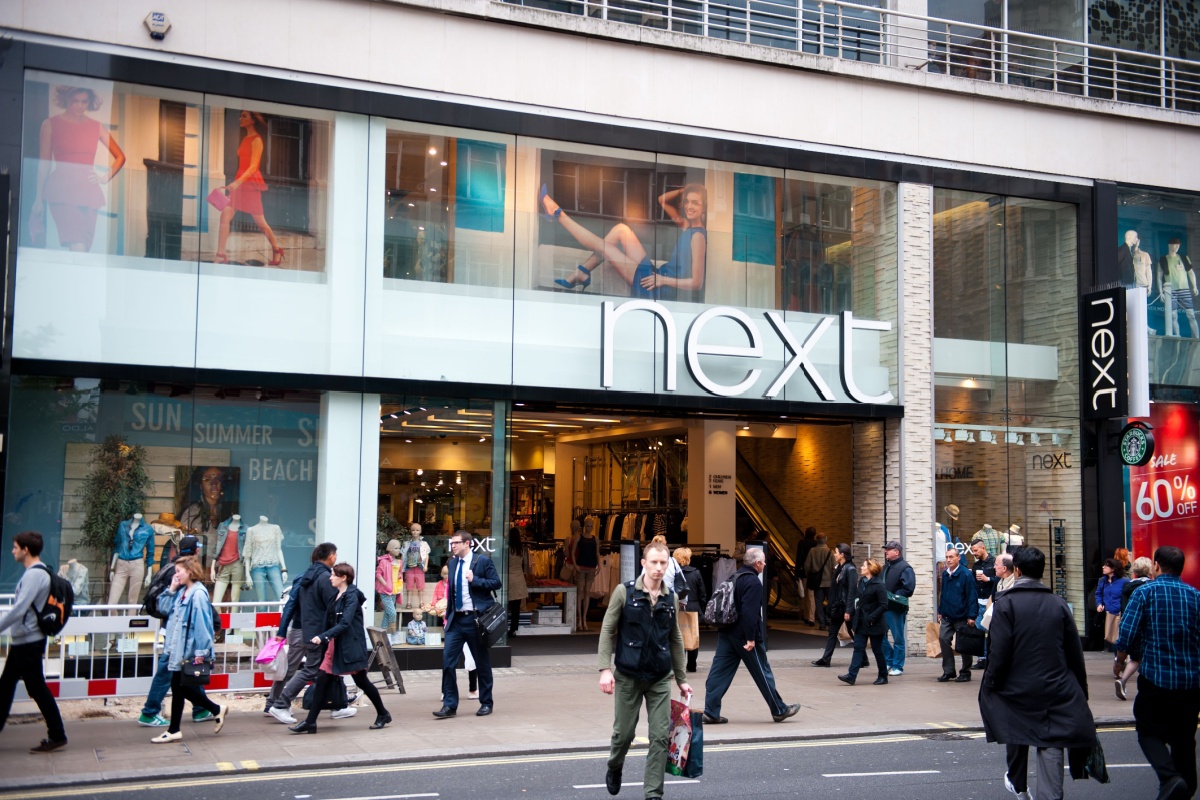

Next is currently facing a significant legal challenge that could impact its store operations. The British fashion retailer has warned of potential store closures if its appeal against an equal pay ruling is unsuccessful.
This situation arises from a tribunal decision favouring 3,500 predominantly female store workers who claim pay discrimination. If Next’s appeal fails, the associated pay adjustments could threaten the financial viability of numerous stores.
Background of the Legal Dispute
The equal pay lawsuit involves allegations that 3,500 predominantly female store employees were underpaid compared to their male warehouse counterparts. In August, an employment tribunal sided with the employees, stating that the pay disparity was unjustified. This decision marked a pivotal moment in employment law, potentially setting a precedent for other cases involving gender pay gaps.
Should the tribunal’s ruling stand, Next could face increased financial obligations. Legal experts estimate these extra costs might reach £30 million. These additional expenses could severely impact the profitability of the retailer’s physical stores, compelling the company to consider their closure unless the appeal is successful.
Impact on Store Operations
If Next’s appeal fails, the financial burden of complying with the tribunal’s ruling could make several of its stores financially unsustainable. The retailer’s spokesperson explained that increasing operational costs could lead to closures, as many stores would no longer be economically viable if forced to pay additional wages. Decisions on store leases will reflect this new financial reality, potentially hindering the company’s expansion plans.
Next’s CEO, Lord Wolfson, clarified this stance by asserting that the company cannot maintain operations in loss-making locations. He stated, “This is certainly not a threat…You wouldn’t expect a retailer to renew a lease in a shop that was making a loss.”
Next’s Financial Position
Despite this looming legal hurdle, Next remains optimistic about its overall financial prospects. The company recently revised its annual profit forecast upwards by £15 million, generating a new projection of £995 million. This optimistic outlook stems from a solid first half of the year, where pre-tax profits rose by 7.1% to £453 million.
These figures indicate a resilient performance despite challenging economic conditions. Next’s ongoing success in other areas of its business could potentially mitigate the adverse outcomes of the legal proceedings, though the long-term impact remains uncertain. Investors are closely monitoring these developments, recognising the potential implications on the retailer’s stock performance.
Strategic Responses and Future Outlook
In response to this legal challenge, Next’s strategic focus is on managing costs and ensuring long-term sustainability. Although the potential outcomes of the appeal remain uncertain, the company is proactively examining its store portfolio, evaluating each location based on its profitability and long-term viability.
Beyond immediate legal concerns, Next is also exploring options to optimise its operational efficiency. This includes assessing store lease renewals carefully and strategically managing its workforce to align with evolving retail and economic landscapes.
Legal Expertise and Confidence in Appeal
Next’s legal team is reportedly confident in the appeal process. The company believes it has robust grounds to contest the tribunal’s decision. Legal experts suggest that the outcome of this appeal could influence similar disputes across the retail sector, potentially reshaping how pay equity is addressed in the industry.
While the appeal’s success is not guaranteed, Next’s commitment to challenging the tribunal’s decision highlights its determination to maintain control over its operational expenditures. This case could set significant precedents for large corporations facing similar legal challenges.
Broader Implications for the Retail Industry
The outcome of Next’s legal appeal might not only affect the company but could also have broader consequences for the retail sector. A ruling upholding the tribunal’s decision could embolden similar claims from employees across the retail industry, potentially prompting widespread organisational and financial impacts.
The sector may witness increased scrutiny regarding pay equity, leading companies to reassess their compensation structures. This could trigger a shift towards more equitable pay practices, albeit with significant cost implications for the businesses involved.
Conclusion
Next’s legal battle over equal pay is a critical issue with potential ramifications extending beyond the company itself. The pending appeal decision holds the key to either compounding financial pressures or upholding current operational strategies.
As the appeal progresses, stakeholders across the retail industry are watching closely, aware of its potential to influence employment practices and financial strategies on a much larger scale.
Ultimately, the outcome of this legal dispute is pivotal for Next and may set an important precedent for pay equity in the retail sector. The appeal’s decision will be closely scrutinised for its broader impact on employment practices and business operations.
In the meantime, Next continues to navigate these challenges, maintaining its focus on sustaining profitability while addressing critical legal and operational concerns.

