
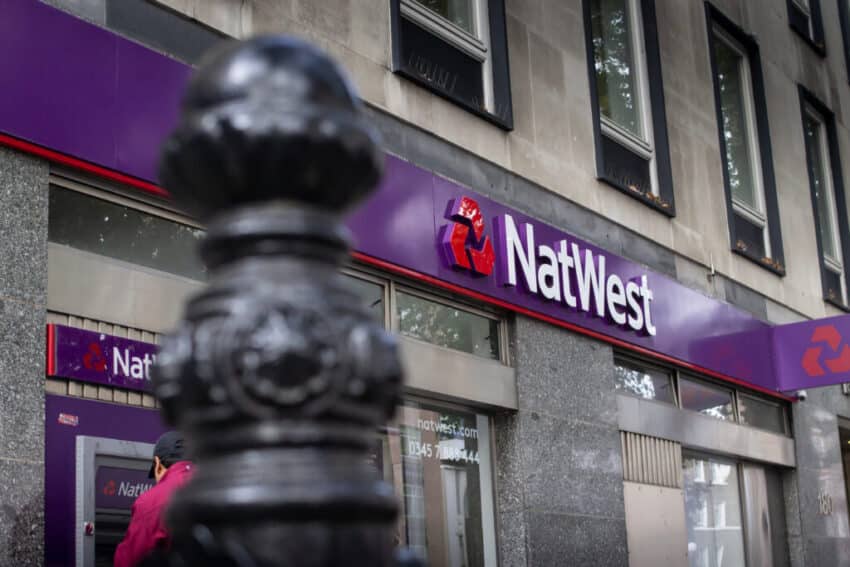

NatWest has embarked on a transformative journey by buying back £1 billion in shares from the UK Treasury. This move is pivotal in reducing the government’s stake, which now stands at 11.4%, furthering the bank’s path to privatisation.
This financial manoeuvre is part of a strategic effort by NatWest to regain independence and enhance shareholder value. The initiative reflects confidence in the bank’s stability and long-term growth prospects, setting a benchmark for future operations.
NatWest’s Strategic Share Buyback
In a strategic move, NatWest has repurchased £1 billion worth of shares from the UK Treasury. This transaction marks the second buyback in 2024, demonstrating NatWest’s commitment to reducing government ownership and moving towards full privatisation. The bank acquired 263 million shares at 380.8p each, a financial manoeuvre hailed by CEO Paul Thwaite as an
NatWest’s trajectory towards reducing state ownership has seen significant acceleration this year. By repurchasing a total of £2.2 billion in shares in 2024, NatWest cut the government’s stake from 20% to 11.4%. This reduction is a clear continuation of efforts to privatise the bank since it was bailed out in 2008. The move reflects confidence in NatWest’s current market position and future prospects.
The British government, which once held as much as 84% of the bank following the financial crisis, has been systematically decreasing its shares. This process ensures that the government recoups taxpayer money spent during the bailout. NatWest’s buyback is a pivotal step in its journey back to becoming a fully private entity, emphasising its growth and stability.
Impact on Government Holdings
The latest buyback significantly affects the UK government’s stake, reducing it to a mere 11.4%. This marks a substantial decline from the previously considerable stake held in NatWest. The government’s exposure to the banking sector is being carefully managed to minimise risk and return taxpayer funds.
There has been much anticipation surrounding the reduction of government stakes in NatWest. The decision to cancel plans for a public share sale, initially proposed by the previous Conservative government, indicates a cautious approach. The Labour government scrapped this public offering over fears of potential financial losses to taxpayers.
Moving forward, the Treasury is expected to continue reducing its share in NatWest as part of its strategy to minimize public sector interference in the banking industry. This aligns with broader financial policies aimed at enhancing market efficiency and promoting private sector growth.
Historical Context: NatWest’s Bailout and Recovery
The financial crisis of 2008 led to the UK government’s intervention in several major banks, including NatWest, then known as the Royal Bank of Scotland. A substantial bailout was necessitated to stabilise the institution.
Since then, the government has gradually unwound its holdings in banks as part of a broader strategy to restore the sector to private ownership. The overarching aim has always been to recover the funds used in the bailouts. The current share buyback by NatWest is just the latest step in this long-term recovery process.
The history of NatWest’s bailout is not just a tale of financial intervention but also one of corporate transformation and resilience. As the bank aims for full privatisation, its strategies reflect an evolution from a state-dependent enterprise to a self-sustaining financial institution, poised for future challenges and opportunities.
Market Reactions and Investor Confidence
Investors have shown a positive response to NatWest’s buyback strategy. The increase in investor confidence is palpable, as evidenced by the bank’s stable stock performance. By decreasing state shareholding, NatWest is positioning itself as a robust and appealing entity for private investors.
Market analysts have noted that the buyback could enhance NatWest’s financial flexibility, enabling more strategic investments. It also signifies a strengthened balance sheet and a commitment to shareholder value. The stock’s performance post-buyback will be closely monitored as an indicator of market sentiment.
The repurchase plan underscores the bank’s confidence in its own financial health and long-term vision. For investors, such a move often signals stability and a promising return on investment, aligning with NatWest’s goals of increased market competitiveness.
Treasury’s Privatisation Strategy
The UK Treasury’s ongoing efforts to privatise NatWest are part of a larger governmental reform strategy. Privatisation has been a long-term goal for the Treasury, aimed at reducing public sector involvement in commercial banking.
After cancelling the public share sale, the Treasury’s focus has shifted towards calculated sell-offs and buybacks. This strategic choice allows for greater control over share pricing and minimises potential financial impingements on taxpayers.
Privatisation is seen as a pathway to stimulate competition, foster efficiency, and drive innovation in the banking sector. The government’s approach intends to align financial institutions more closely with market dynamics, benefiting both the economy and consumers.
Economic Implications of Reduced Government Ownership
With reduced government ownership, NatWest is expected to operate with greater autonomy. This shift empowers the bank to implement strategies aimed at growth and competitiveness without excessive governmental oversight.
The economic landscape could see various effects stemming from this reduced state stake. For one, it may encourage other privatisations, reinforcing the government’s market-oriented policies. The role of NatWest in the UK’s financial ecosystem might transform as it adapts to a less government-anchored identity.
The implications extend beyond NatWest, affecting perceptions of national fiscal policies and the broader financial market. A successful transition to full privatisation could enhance the UK’s reputation as a conducive environment for banking investments, attracting more international capital.
Challenges and Opportunities for NatWest
NatWest faces several challenges as it transitions towards full privatisation. The pressure to maintain a competitive edge while navigating the complexities of market dynamics is significant.
Opportunities also abound, particularly in expanding its market share and innovating customer solutions. The bank’s focus on technological advancements and customer service improvements will be instrumental in its growth journey. Strategic investments in digital banking platforms could position NatWest as a leader in the modern banking landscape.
To effectively capitalise on these opportunities, NatWest must continue to enhance its operational efficiency, customer engagement, and innovation initiatives. These priorities are essential to secure its position as a preferred banking institution in the post-privatisation era.
Future Outlook for NatWest
The future for NatWest looks promising as it continues its journey towards full privatisation. The bank’s strategies and reforms are setting a solid foundation for sustainable growth.
By leveraging its resources and capital, NatWest is poised to expand its market presence both domestically and internationally. The strategic direction will focus on innovative financial solutions catering to diverse customer needs.
NatWest’s forward-looking approach is expected to yield significant benefits, positioning the bank as a formidable player in the global banking arena. The emphasis on sustainable and responsible banking practices adds to its competitive edge and brand strength.
Conclusion
NatWest’s recent share buyback marks a significant step towards its privatisation. The reduction in government stake is a testament to the bank’s strategic focus on autonomy and market competitiveness.
NatWest’s buyback is a crucial milestone in its journey towards full privatisation. The bank’s focus on reducing government ownership underscores its commitment to market-driven growth and autonomy.

