

Natural Resources Wales (NRW) reinforces the importance of flood risk management.
- NRW undertakes enforcement actions against unauthorised works impacting flood defences.
- Over 100 incidents investigated by NRW underscore the risks of unapproved activities.
- Specific cases illustrate the diverse challenges NRW addresses in flood risk management.
- NRW’s strategy combines education, advice, and enforcement to mitigate flood risks.
In a decisive move to safeguard flood defences, Natural Resources Wales (NRW) has initiated enforcement actions against activities that compromise these vital systems. Applying for a flood risk activity permit is obligatory for any work on or near key structures such as main rivers, flood defence structures, sea defences, or within flood plains. NRW’s dedicated team, including a specialised enforcement officer, has managed over 100 cases in South Wales alone. This extensive investigatory effort reflects their commitment to addressing unpermitted activities that heighten flood risks or damage sensitive ecosystems.
NRW prefers a non-confrontational approach when dealing with offenders. The organisation promotes constructive dialogues to impart knowledge on safe practices and minimise risks. Nevertheless, certain situations demand stringent actions, such as issuing enforcement notices to remedy environmental harm and ensure no increased flood risk to people or properties. NRW emphasises the significance of understanding flood risks, particularly with one in seven homes in Wales at risk and the climate crisis triggering more extreme weather conditions.
Providing tangible evidence of its enforcement work, NRW shared case studies that reveal the scope of unauthorised actions it battles against. In one notable instance, a contractor removed large quantities of sediment and gravel from the River Ebbw’s bed, embedding boulders into the riverbanks. This intervention altered the river’s dynamics, threatening downstream channels and causing environmental harm, including damage to bird nesting sites. Upon detection, NRW mandated an immediate cessation and issued a Remediation Notice, prompting the offender to reinstate the river’s natural flow.
Another case involved a homeowner on the River Thaw near Cowbridge who constructed an earthen embankment without permission. This construction could have redirected floodwater, increasing risk to neighbouring properties. Upon receiving a Remediation Notice from NRW, the property owner restored the riverbank to its original state. This prompt compliance averted potential hazards and highlights the effective use of regulatory measures.
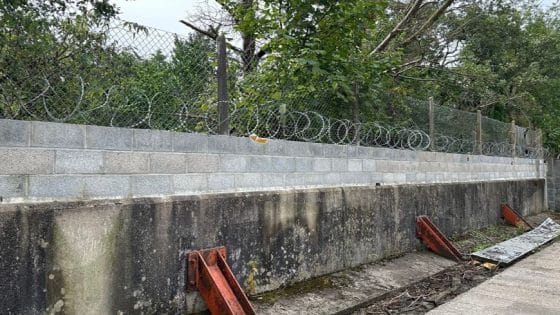
A third incident at a business near the River Tawe in Pontardawe involved the unauthorised construction of a ‘block wall’ atop an existing flood wall to enhance property security. This unauthorised action compromised the flood defence’s integrity. Working in partnership with the business owner, NRW secured the wall’s safe removal and reinforced the necessity for prior consultation before undertaking such work. These examples highlight NRW’s proactive role in mitigating risk through effective enforcement actions.
NRW’s enforcement efforts are essential in managing Wales’ flood risks and protecting its ecosystems.

