
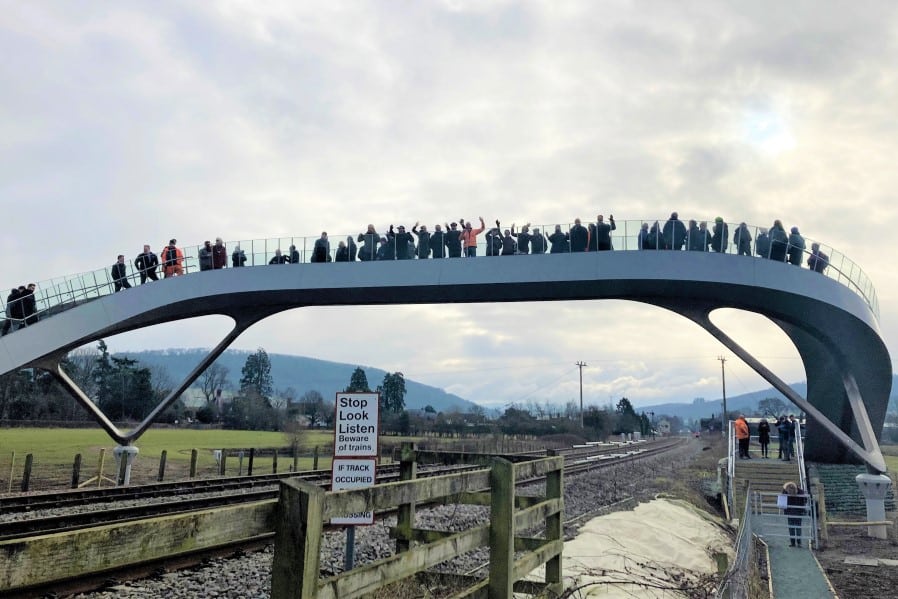

A new design contest aims to pioneer low-carbon solutions for footbridges.
- National Highways seeks a fresh design for a footbridge as part of the Lower Thames Crossing.
- The winning design could influence future footbridge projects across England.
- The initiative focuses on reducing embedded carbon and enhancing pedestrian experience.
- The competition opens to engineering and architectural firms from 9th August 2024.
In an ambitious move towards sustainable infrastructure, National Highways has launched a design competition to innovate a low-carbon footbridge for the Lower Thames Crossing. This contest is part of a larger initiative to address the need for replacing many of the more than 600 footbridges managed by National Highways throughout England.
The proposed footbridge will span the A127, reconnecting Moor Lane and Folkes Lane in Essex, an area historically divided by infrastructure developments. By focusing on sustainable practices, the pilot project aims to set a new standard for low-carbon construction, according to National Highways.
The competition is inclusive of all qualified engineering and architectural firms, emphasising the use of low-carbon materials and advanced construction methodologies. Designs will be scrutinised not only for environmental impact but also for adherence to essential design principles that ensure accessibility and a positive user experience.
The judging panel comprises representatives from the London Borough of Havering, Transport for London, National Highways, and Balfour Beatty, the latter being the contractor involved in the new crossing’s approach roads north of the Thames. Their collective expertise ensures a comprehensive evaluation of the submitted designs.
This initiative by National Highways occurs independently from Network Rail’s recent developments, such as the FLOW footbridge model, highlighting a siloed approach within the Department for Transport. Despite opportunities for collaboration, National Highways is proceeding solo, aiming for a distinctive solution to its infrastructural challenges.
The design contest signifies a pivotal step in reshaping England’s footbridge infrastructure with sustainability at its core.

