
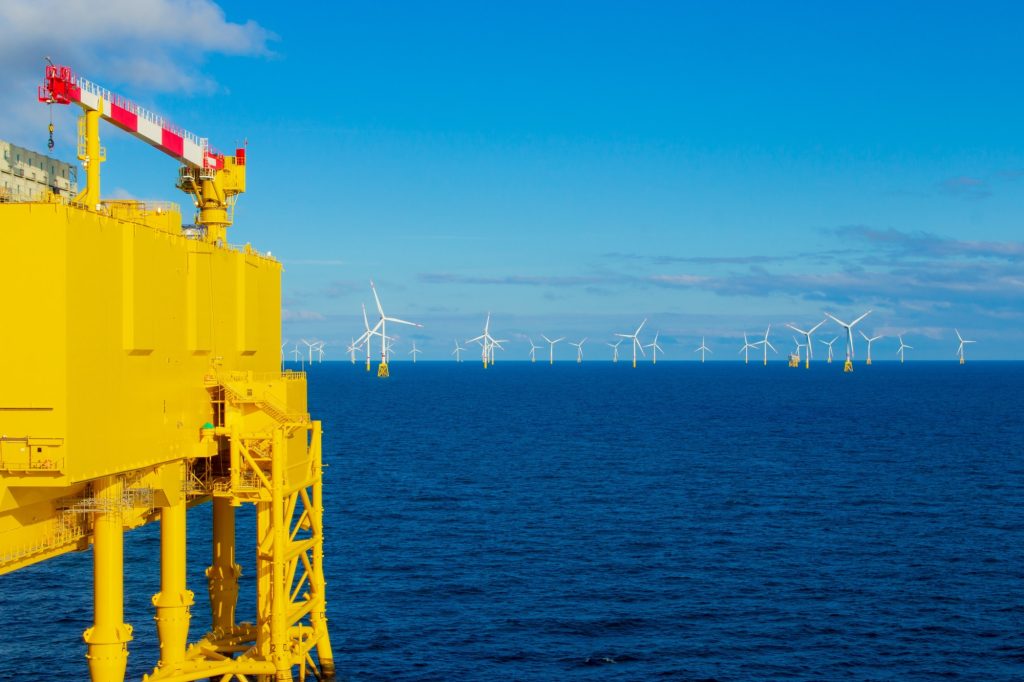

National Grid moves forward with its Sea Link project, enhancing the electricity network from Suffolk to Kent.
- The revised plans include a predominantly offshore 138km high voltage direct current link.
- Additional consultations arise from feedback on the original proposals, aligning with governmental guidelines.
- Stakeholders express environmental concerns, urging revisions in the development strategy.
- The community engagement process emphasizes transparency before submitting for development consent.
National Grid is advancing with its ambitious Sea Link project, designed to fortify the electricity network between Suffolk and Kent through a primarily offshore high voltage direct current (HVDC) link. The initiative forms a crucial part of the Great Grid Upgrade programme, aimed at enhancing the UK’s power infrastructure.
Following a statutory consultation completed in 2023, the National Grid revised several components of the Sea Link project. These revisions include the confirmation of preferred access routes, alterations in construction approaches, and fine-tuning of the cable route corridor, all intended to optimise the project while addressing public and environmental feedback.
An added round of public consultation is planned, permitting stakeholders to review and comment on the updated proposals before the company applies for development consent early the next year. This consultative approach aligns with existing government standards, ensuring community involvement in the decision-making process, a strategy consistent with past National Grid projects.
The proposed 138km HVDC cable will stretch from Pegwell Bay in Kent to a designated point on the Suffolk Coast between Aldeburgh and Thorpeness. Key infrastructural components include onshore cables, converter stations, and overhead line connections, facilitating the integration of this high-capacity link into the current electricity distribution network.
In Suffolk, changes comprise modifications to the cable course north of Aldeburgh, access route specifications to the converter station, and alterations to the associated infrastructure over the River Fromus. Offshore adjustments focus on refining marine installation techniques and accommodating vessel manoeuvres, demonstrating a responsive adaptation to technical and environmental challenges.
For the Kent segment, National Grid has revised the converter station’s maximum height, clarified pylon specifications for connection to the existing overhead network, and identified supplementary access routes off Sandwich Road. Environmental mitigation and enhancement efforts also feature, highlighting a commitment to sustainability amidst infrastructure development.
Despite the project’s clear benefits in contributing to the UK’s net zero targets by 2050, the Sea Link has faced opposition. East Suffolk Council and environmental groups like Kent Wildlife Trust have expressed concerns over potential ecological impacts, calling for alternative strategies that minimise environmental disruption.
In January 2024, East Suffolk Council formally objected to the initial proposals, citing unacceptable adverse effects on the local communities and ecosystems, alongside insufficient coordination with other major infrastructure projects. Similarly, conservationists advocate for a review of the proposed routes to mitigate harm to valuable natural habitats.
Adrian Pierssene, National Grid’s project director, underscores the necessity of this infrastructure enhancement in the national context of transitioning to sustainable energy. While acknowledging public concerns, Pierssene reaffirms the importance of the consultation process, viewing it as integral to refining the project in a balanced manner that addresses both developmental and environmental priorities.
The Sea Link project exemplifies balancing infrastructural advancement with environmental and community considerations, integral to achieving net zero emissions by 2050.

