
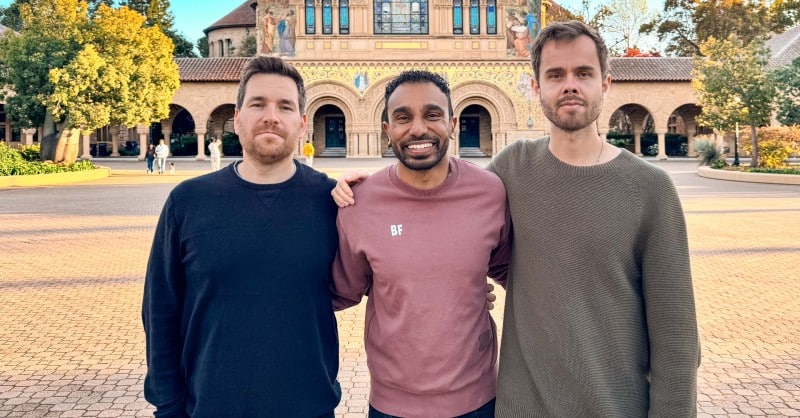

NALA, a pioneering fintech enterprise, has successfully garnered $40 million in Series A funding. This strategic investment marks a significant milestone for the company.
Driven by forward-thinking goals, NALA aims to transform the landscape of global cross-border payments, addressing existing challenges with innovative solutions.
NALA’s Ambitious Funding
NALA, an innovative fintech startup, has successfully secured $40 million in Series A funding. This remarkable funding round was led by Lauren Kolodny of Acrew Capital, recognised for her investments in Anything World and Nokod Security. NALA is poised to leverage these funds to elevate its global payment solutions.
Existing investors have shown great confidence in NALA’s vision by boosting their stakes. Meanwhile, new backers like Norrsken22, HOF Capital, and fintech visionaries such as Ryan King and Vlad Tenev have joined the mission. This surge of capital will empower NALA to expand its operations beyond its established markets.
Strategic Utilisation of Funds
NALA plans to channel its newfound financial strength into two strategic areas. Primarily, it intends to extend its consumer-centric business beyond the African continent. The second focus is on launching Rafiki, a robust B2B payments platform designed for seamless cross-border transactions.
Rafiki is envisioned as a game-changer in the B2B payments landscape. It will cater to businesses globally, offering them an efficient and cost-effective alternative for international transactions.
Addressing Costly Challenges
African remittances have historically been plagued by exorbitant fees, with losses soaring to nearly $8 billion in the past year alone. NALA has taken on the challenge of revolutionising how money is sent to Africa.
The fintech company’s strategic positioning as the ‘Transferwise of Africa’ aims to alleviate this financial burden. NALA’s platform is committed to enhancing both the affordability and reliability of sending money back home. By tackling this issue head-on, the startup aspires to make meaningful economic impacts.
Leadership Driving Innovation
The leadership team at NALA is spearheaded by Benjamin Fernandes, an alumnus of Stanford University with a vision for financial inclusivity. He is supported by Nicolas Esteves, a seasoned fintech expert, and Nicolai Eddy, with extensive experience in building financial infrastructures.
The founding team’s synergy is bolstered by global expertise sourced from top fintech firms like Wise, Revolut, and Monzo. Their collective experience is shaping NALA into a formidable player in the fintech space.
Innovative Financial Solutions by NALA
NALA provides a secure platform for transferring money from Europe, the UK, and the US to 11 African nations. Its B2B solution, Rafiki, ensures fast and reliable payments across the continent.
Designed with the future in mind, NALA’s offerings aim to lay the groundwork for the next billion users. Its focus on innovations like improved error mapping and treasury management continues to drive its growth.
According to NALA’s CEO, the $40 million funding round is a pivotal moment. “This investment allows us to enhance our infrastructure, ensuring reliable and low-cost payments,” he emphasized.
NALA’s Vision for the Future
NALA’s ambitions extend beyond immediate growth; the company envisions a comprehensive payments ecosystem that transcends geographical limitations. By emphasising affordability and safety, NALA sets itself apart from its competitors.
The fintech firm’s strategic advancements in infrastructure and service offerings illustrate its commitment to long-term success and expansion.
With its innovative approach, NALA is not just participating in the fintech space but is actively shaping the future of cross-border payments.
With strategic funding and a visionary leadership team, NALA is on the cusp of redefining cross-border payments. The company’s focus on affordability and reliability positions it as a leader in the fintech industry.
NALA’s drive to innovate and expand signifies a promising future not only for the company but for the global financial ecosystem.

