
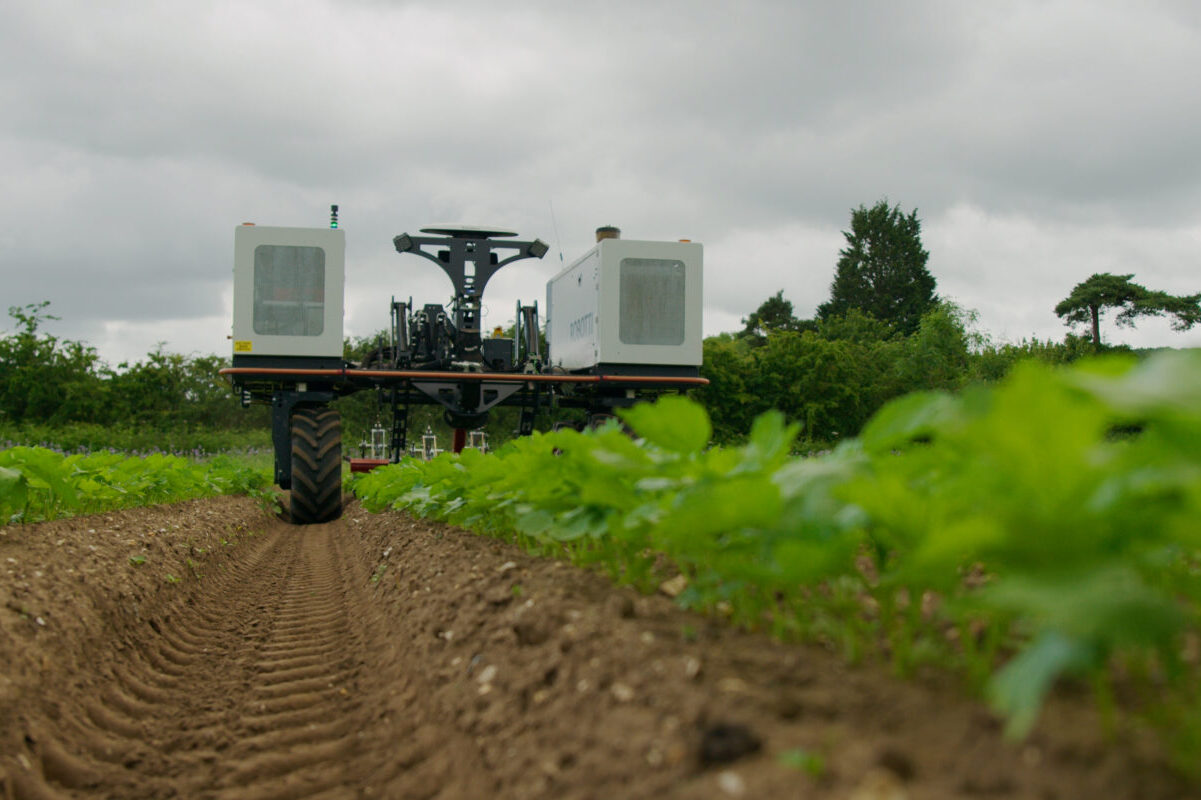

Diving into the future of sustainable agriculture, M&S has embarked on a pioneering project using drones and robotic tractors to farm parsnips. The retailer aims to reduce carbon emissions while enhancing crop quality, showing a commitment to environmental innovation.
Embracing Autonomous Farming
Venturing into the realm of autonomous farming, M&S is pioneering efforts in sustainable agriculture with the adoption of drones and robot tractors to cultivate parsnips. This initiative is significant not only for its environmental potential but also for its role in enhancing productivity and crop quality. The technology supports M&S’s broader sustainability goals by locking carbon in the soil and reducing diesel dependency.
Technological Advancements in Agriculture
M&S collaborated with its root vegetable supplier, Huntapac, to plant the initial crop of parsnips in March, in Yorkshire. Two types of robots are employed for bed forming, planting, and weeding, while drones proactively manage and monitor crop health. This use of new technologies is crucial in reducing greenhouse emissions from traditional farming methods. It shows that innovative farming could provide pathways towards a more sustainable agro-industry.
Benefits Beyond Carbon Reduction
Beyond reducing carbon emissions, the technological approach has improved the yield’s quality and quantity. By implementing green fertiliser, M&S is able to increase productivity, thereby offering consumers better products. Such advancements indicate a forward-thinking approach to farming, potentially influencing the agricultural industry to adopt more climate-friendly practices. As more companies take similar steps, the cumulative effect could be substantial.
M&S’s Sustainability Programme
The initiative is the first to be funded by M&S’s Plan A sustainability programme’s accelerator fund. Launched this year, Plan A aims to catalyse rapid action towards net zero through innovative projects. M&S’s Food technical director, Andrew Clappen, recognises agriculture’s significant role in emissions, thereby stressing the importance of trialling lower-impact methods. This project aligns with their strategic roadmap to net zero, fostering high-skilled job creation.
Market Introduction and Strategic Goals
The first crop of autonomously farmed parsnips will be available from November in selected stores. This aligns with M&S’s commitment to delivering quality produce while reducing environmental impact. By integrating advanced farming techniques, M&S not only enhances its sustainability credentials but also sets a precedent for the retail industry. This move is not just about innovation but also reflects a strategic approach to business operations.
Looking to the Future of Farming
M&S’s ongoing project may have far-reaching implications for the entire agricultural sector if adopted widely. The integration of drone technology in farming could lead to new job opportunities and attract fresh talent to the sector. Such transformations could herald a new era in agriculture, where technology meets sustainability for effective production while caring for the planet. The scope for advancement is vast and promising.
Commitment to Innovation and Sustainability
By adopting these modern techniques, M&S showcases its commitment to both innovation and the environment. This trial represents a step in transitioning to sustainable practices that could potentially reshape farming industries. The approach demonstrates not only environmental stewardship but also a dedication to enhancing consumer trust through transparency. M&S’s foresight in these initiatives emphasises its role as a leader in retail innovation.
In conclusion, M&S’s innovative use of drone technology in farming is a promising step towards a sustainable future. It reflects the potential of integrating modern technology with traditional practices for environmental and economic benefits.

