
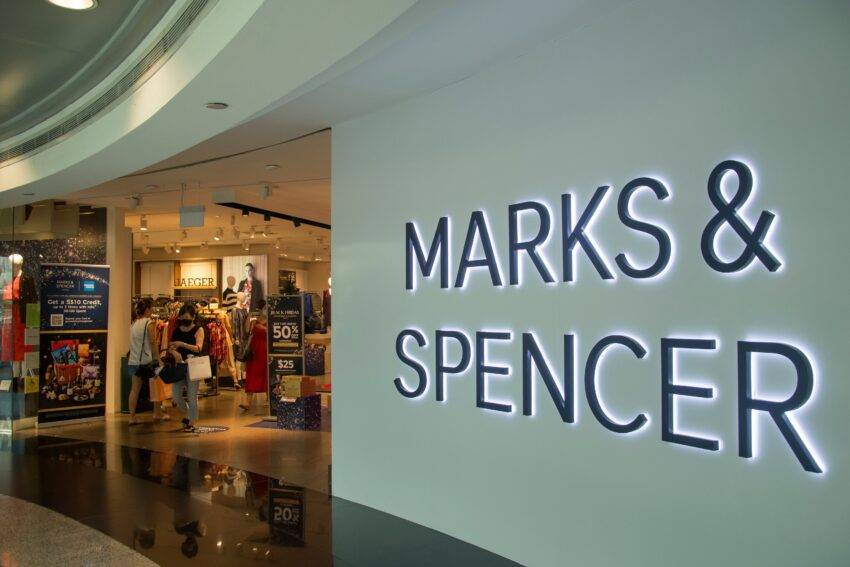

Marks & Spencer (M&S) has flagged potential price adjustments in light of increased national insurance rates and escalating wages.
These financial changes, spurred by government policy updates, are pressuring the retailer’s cost structure.
Despite these hurdles, M&S is committed to maintaining fair pricing.
The retailer is actively identifying ways to minimise the burden on consumers amid these economic shifts.
Introduction to Cost Challenges
Marks & Spencer (M&S) recently highlighted the potential for price increases in response to changes in national insurance rates and rising wage costs. The renowned retailer faces significant economic pressures following the national insurance adjustment, prompting concerns over its impact on both operational expenses and consumer pricing. Despite these challenges, M&S aims to absorb costs without burdening customers.
This development comes after the Chancellor’s fiscal policy adjustments, which include raising employer national insurance contributions by 1.2 percentage points. The national insurance rate will now stand at 15% starting next April. Along with these changes, the threshold for company payments has been lowered. Consequently, M&S anticipates an increase in its tax bill by £60 million for the upcoming financial year, bringing its total tax commitments to around £520 million.
Labour Cost Implications
In addition to national insurance, labour costs are another substantial concern for M&S. The retailer is forecasting a further £60 million rise in expenses due to mandatory minimum wage hikes. These wage adjustments had been anticipated by the company, allowing for some pre-planning.
Stuart Machin, M&S’s Chief Executive, acknowledged the dual financial strain of increased national insurance and labour costs. However, he reiterated the company’s firm commitment to mitigating these impacts to safeguard customer interests. Despite the looming challenges, there are currently no immediate plans to raise prices, as M&S is actively seeking cost-saving measures elsewhere.
Economic Reactions and Business Sentiment
Broader business sentiment appears to echo the concerns expressed by M&S. Following recent economic policies, two-thirds of business leaders reported negative sentiments about the Budget. Many argue that the fiscal measures lack sufficient support for business growth. This feedback stems from a survey conducted by the Institute of Directors.
Analysts predict that the national insurance modifications alone could enhance expenses for UK-based grocery firms by between £550 million and £600 million. Such projections were reflected in warnings from other industry players, who cited an avalanche of upcoming costs. This sentiment captures the widespread unease among businesses regarding the current economic landscape.
Retail Sector Responses
Within the retail sector, strategies are emerging to adapt to these economic changes. For instance, the owner of Primark has considered leveraging technology, such as self-checkouts, to reduce its labour dependencies.
David Machin commented, “We planned [for an increase] because it was well noted before the Budget that there was going to be some national insurance increase for business. We didn’t quite see the double whammy coming up.” This reflects the unforeseen challenges and issues businesses face in response to sudden policy shifts.
Many retailers are exploring innovative solutions to operate effectively within these new fiscal constraints. This strategic evolution is crucial for balancing operational costs while retaining competitive pricing.
M&S’s Strategic Direction
Despite the financial pressures, M&S remains optimistic about its fiscal strategy and future direction. The recent release of its half-year fiscal report indicated a notable 17% increase in profits before tax, reaching £408 million, surpassing analyst expectations. This achievement is credited to the company’s strategic initiatives spearheaded by Mr Machin.
The positive results have been reflected in the company’s stock performance. M&S shares climbed as much as 7.4% recently, marking their highest level since 2016. This upward trajectory signifies market confidence in M&S’s current strategies and operational efficacy.
Outlook for the Upcoming Season
As the holiday season approaches, M&S is preparing for heightened consumer activity. Research conducted by the company indicates a growing inclination among customers to spend more this Christmas compared to last year.
This anticipated surge in shopping activity presents a dual opportunity for M&S—to capitalise on the festive demand while reinforcing its commitment to competitive pricing.
Mr Machin conveyed his enthusiasm for the forthcoming season, expressing confidence in M&S’s unique value proposition and customer loyalty. This bodes well for the retailer as they strive to balance economic challenges with consumer expectations.
Conclusion
In conclusion, the combination of national insurance hikes and rising wages poses a formidable challenge for M&S and similar businesses. However, M&S’s strategic measures and operational adjustments aim to mitigate these impacts effectively while maintaining customer trust.
The evolving economic landscape demands agility and foresight from retailers, notably M&S, whose proactive strategies and financial performance underscore a resilient approach.
Despite economic pressures, M&S’s strategic approach highlights its determination to manage fiscal challenges while preserving competitive pricing.

