
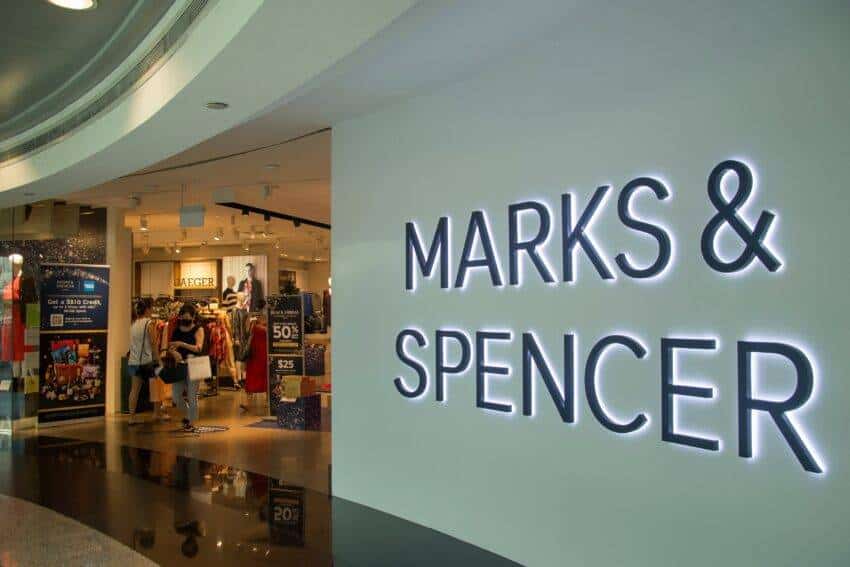

Marks & Spencer is confronting significant financial pressures due to recent changes in national insurance and rising labour costs. With an expected £120 million surge in expenses, the retailer is exploring all avenues to prevent passing these costs onto consumers. While the management remains committed to maintaining affordability for shoppers, the situation presents complex challenges.
Financial Impact of National Insurance Changes
The Chancellor’s latest decision has led to a 1.2 percentage point increase in employers’ national insurance contributions, bringing the total to 15% starting next April. This adjustment is expected to significantly impact the financial landscape for retail giants like M&S, translating into an additional £60 million in costs. M&S is preparing for these changes, although they acknowledge the severity of the financial burden.
Labour Costs on the Rise
The increase in national insurance is compounded by rising labour costs due to the uplift in minimum wage requirements. M&S anticipates an additional £60 million expenditure on wages alone. Such financial strains are becoming a common concern among UK businesses striving to balance costs while maintaining competitive pricing.
M&S has a long-standing reputation for cost-efficiency and is rigorously exploring ways to absorb these financial shocks.
M&S’s Strategic Response
In response to the dual financial challenges, M&S is committed to cost mitigation strategies. The management emphasises the company’s successful history of cost-saving measures as a testament to their ability to navigate current pressures.
Stuart Machin, CEO, has stated the company will put significant effort into identifying and implementing savings across various operational facets, reinforcing M&S’s commitment to affordability.
Machin’s leadership focuses on thorough planning and strategic operational adjustments to cushion the looming financial impacts.
Retail Sector’s Concerns
Retailers across the UK echo M&S’s concerns, with many warning of a potential ‘avalanche of costs’ due to the recent Budget.
The national insurance hike alone is poised to add between £550 million and £600 million to the operational costs of UK grocers, further complicating pricing dynamics.
Past Performance and Future Projections
Despite these challenges, M&S shares have reached their highest levels since 2016, buoyed by a 17% rise in profits over the past six months. Analysts view this as an endorsement of the current operational strategies under Machin’s leadership.
This optimism is further bolstered by M&S’s projections for the Christmas season, where increased consumer spending is anticipated.
Such projections are critical as they provide a beacon of hope amid the financial headwinds facing the sector.
Broader Economic Concerns
The broader business community shares apprehensions, with many executives expressing dissatisfaction with the governmental measures perceived as insufficient for fostering growth.
Surveys indicate that two-thirds of business leaders hold negative views about the recent Budget, questioning its efficacy in promoting economic stability and growth.
Potential Cost Mitigation Methods
Some retailers, including those within the M&S umbrella, are considering innovations like self-checkouts to streamline labour costs. These technological adaptations are part of broader strategies to maintain a competitive edge amid rising operational expenses.
Such initiatives are indicative of a shift towards more technology-driven solutions in response to financial pressures.
M&S, alongside other retailers, continues to explore these avenues to synergise cost management with technological advancement.
Stakeholder Confidence
Investor confidence in M&S has been robust, reflected in the surging stock prices. This trend underscores the market’s faith in Machin’s strategic direction for the company.
While aware of the impending financial burdens, stakeholders remain optimistic about M&S’s capability to navigate these challenges effectively.
M&S’s strategic initiatives are closely watched as potential benchmarks for the retail sector.
Conclusion and Future Considerations
The escalating costs present a real challenge for M&S, yet their history of resilience and adaptability provides a measure of assurance.
With strategic planning and a focus on innovative cost-saving methods, M&S intends to maintain its market position without impacting consumer pricing.
Moving forward, the retailer’s approach may serve as a case study in effective corporate strategy amidst economic trials.
Marks & Spencer faces formidable financial obstacles from increased national insurance and wage costs, yet remains determined to uphold consumer affordability. Their proactive strategies, coupled with strong past performance, suggest they are well-positioned to handle the fiscal challenges ahead.

