
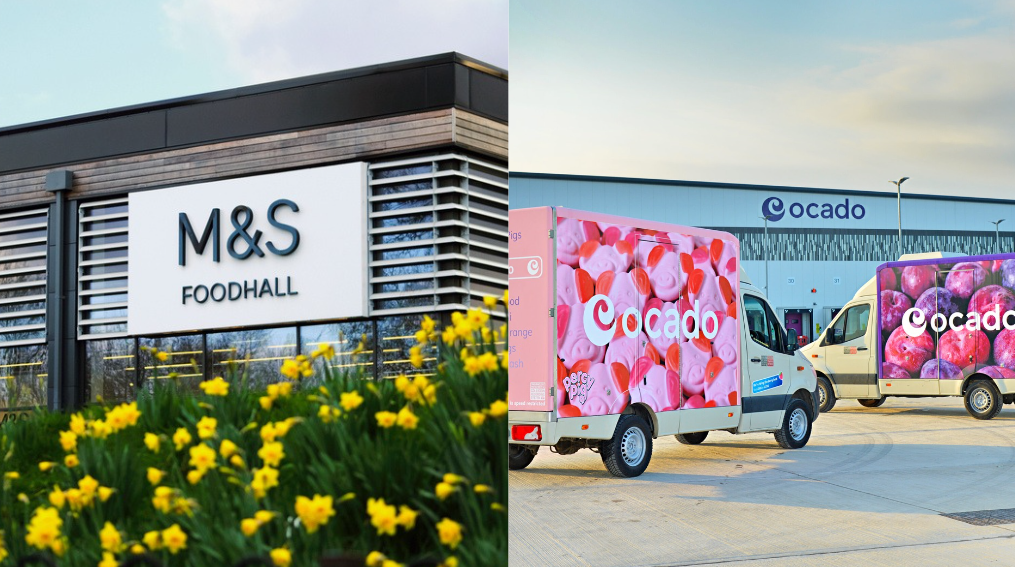

Over the recent 12 weeks, M&S and Ocado have emerged as the top performers in the retail sector, exhibiting robust growth metrics.
- M&S reported a 10.7% rise in sales, while Ocado led with a remarkable 14.3% increase, highlighting consumer preferences for fresh groceries and summer treats.
- Conversely, Asda and Aldi experienced declines in their sales figures, with decreases of 6.4% and 0.7% respectively, compared to the same timeframe last year.
- The retail landscape saw an overall 5.5% growth in total till sales, with online sales and convenience channels contributing significantly to this uplift.
- Inflation concerns persist among consumers, emphasising the need for effective loyalty programs to manage spending.
According to recent data from NIQ, M&S and Ocado have distinctly outperformed their competitors over the last quarter, demonstrating significant sales growth. M&S recorded a 10.7% increase, while Ocado’s sales surged by 14.3%. This uptrend is attributed to increased consumer spending on summer indulgences, fresh food, and groceries, reflecting a shift in buying behaviour during warmer months.
In contrast, both Asda and Aldi faced setbacks in the same period, with Asda’s sales diminishing by 6.4% and Aldi’s by 0.7%. This represents a notable change in consumer loyalty and purchase patterns, possibly influenced by competitive pricing strategies and evolving customer preferences.
The broader retail market in the UK demonstrated resilience, with a 5.5% hike in total till sales in the four weeks leading up to 10 August 2024. This was the most significant growth witnessed this year, supported by a brief heatwave that drove consumers to stores and online platforms.
Online sales experienced a 6.8% rise, while the share of FMCG spend increased by 12.8% compared to last year. This shift underscores a growing reliance on digital channels for shopping convenience and efficiency.
As inflation remains a pressing concern for 29% of UK households, retailers are likely to focus on loyalty programs and membership schemes to retain consumer engagement and spending. The importance of these strategies is heightened as seasonal demand fluctuates and schools resume.
The recent trends in retail sales illustrate a dynamic environment where consumer behaviours are evolving, presenting both challenges and opportunities for retailers.

