
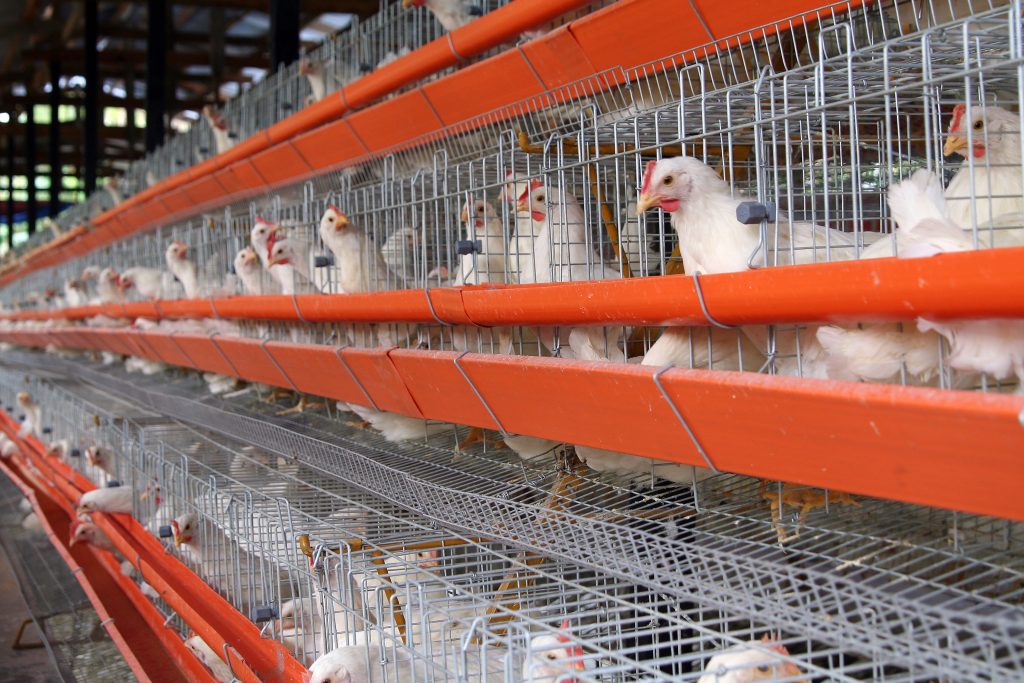

Only 2.3% of animal welfare breaches in the UK are prosecuted, a recent report reveals.
- An over-reliance on industry-led assurance schemes is evident in animal welfare enforcement.
- One out of three farming inspections uncovers violations, but few are prosecuted.
- The current enforcement system’s effectiveness and the UK’s reputation in animal welfare are questioned.
- Recommendations include centralising enforcement and increased data transparency.
Only 2.3% of animal welfare breaches in the UK are being prosecuted, according to a recent report by the Social Market Foundation (SMF). This revelation has raised significant concerns about the mechanisms in place to ensure compliance with animal welfare standards. Key issues identified include a heavy reliance on industry-led assurance schemes and widespread enforcement failures.
The responsibility for animal welfare enforcement in the UK is shared between local authorities and the Animal and Plant Health Agency (APHA). Despite this dual oversight, only 3% of farms are subject to state welfare inspections, with the remaining farms inspected by industry-led schemes every 12 to 18 months. Funding cuts and a lack of data transparency are cited as primary challenges to effective enforcement.
The report highlights that one-third of farming inspections reveal violations of animal welfare standards, such as the routine tail docking of pigs and the lameness in dairy cows. Nevertheless, a minor fraction of these violations result in prosecutions. This situation calls into question the efficacy of the current enforcement regime and undermines the UK’s standing as a leader in animal welfare standards.
Abigail Penny, Executive Director of Animal Equality UK, emphasised the government’s duty of care, pointing to a worrying lack of surveillance and reluctance to enforce existing laws. In agreement, Aveek Bhattacharya, SMF’s Research Director, remarked on the dissonance between the national self-image as a nation of animal lovers and the reality of casual enforcement of welfare rules.
The SMF report proposes several strategies to improve the situation. These include centralising the welfare enforcement system, regularly publishing detailed data on inspections, non-compliance rates and enforcement actions, and allowing enforcement agencies to retain fines from penalty notices, akin to the handling of speeding tickets.
The current disparity between the UK’s animal welfare aspirations and enforcement practices necessitates urgent re-evaluation and reform.

