
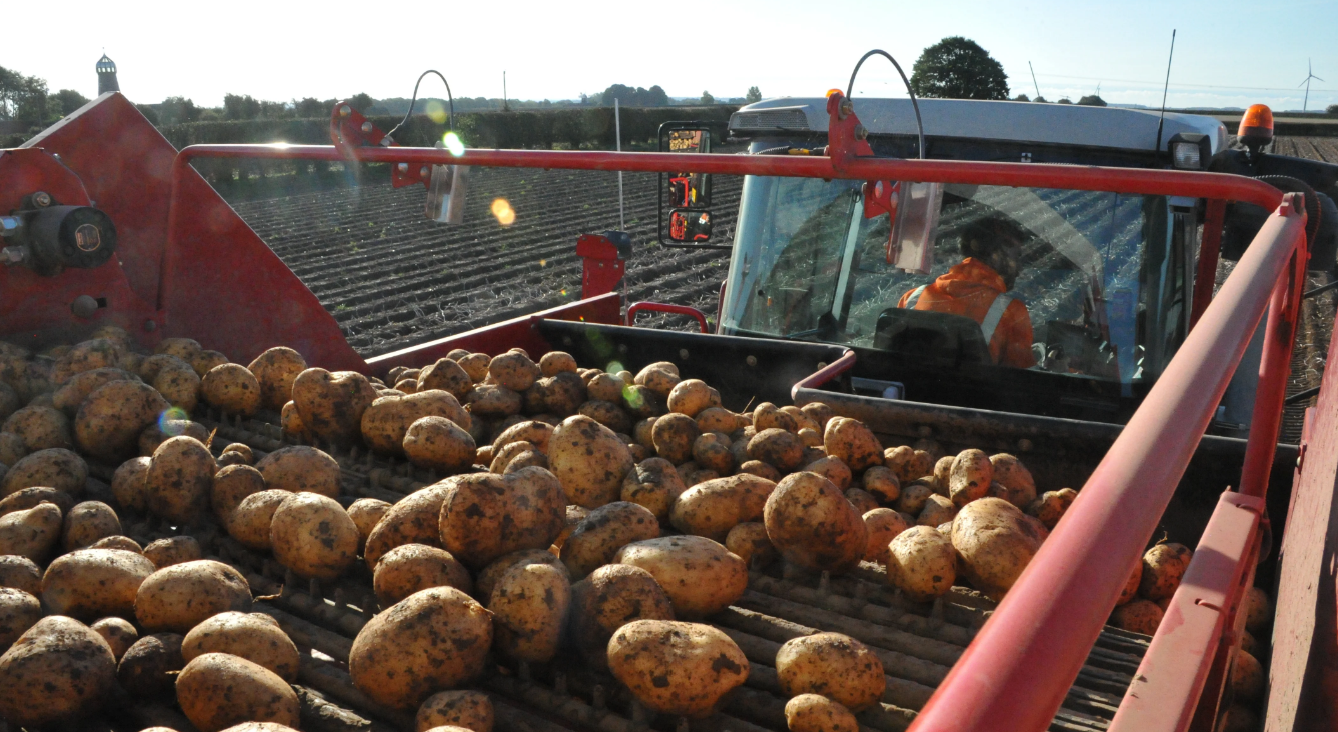

Morrisons has unveiled a pivotal trial to aid farmers by absorbing all costs related to crop cultivation, offering them much-needed financial stability.
The trial is crucial for helping British farmers manage economic pressures, and it promises to deliver its first produce by the end of the year.
Morrisons’ Commitment to Farmers
Morrisons has initiated an innovative support package to underwrite 100% of the costs linked with crop cultivation. By addressing financial burdens such as field rent and fertiliser expenses, the programme aims to offer British farmers enhanced economic security. Currently applied to three potato farms and one carrot farm, the scheme promises initial produce arrivals by year-end, extending into 2024. Its success might see further expansion in the coming year.
Gareth Cosford, a senior buying manager at Morrisons, emphasised the trial’s potential: “As British farming’s biggest direct customer, we recognise the ongoing impact of higher costs on farmers. Our initiative removes the cultivation risks from farmers and supports the production of premium British produce.” The trial is a strategic response to mitigate fiscal pressures and foster robust, quality yield cycles.
Strategic Implications for British Agriculture
Morrisons’ trial is emblematic of a broader industry trend towards offering security to local supply chains amidst market volatility. By ensuring cost coverage, the supermarket chain directly supports the resilience of UK agriculture. Such measures not only cushion economic challenges but also reinforce supply consistency, potentially serving as a template for future agricultural policies.
Ensuring the stability of essential crop production aligns with national interests in food security. Morrisons’ commitment showcases a blend of corporate responsibility and strategic foresight, setting a precedent that could inspire similar initiatives across the sector.
The ‘Naturally Wonky’ Initiative
Back in 2015, Morrisons launched its Naturally Wonky scheme, emphasising customer choice and sustainability by buying entire crops and marketing aesthetically imperfect produce at reduced prices.
This approach has resonated well with consumers, with 27,000 tonnes of such products sold last year. By maximising the use of whole crops, Morrisons not only boosts returns for farmers but also demonstrates environmental stewardship and cost-effectiveness.
The programme serves to broaden consumer palettes and reduce food waste, highlighting the supermarket’s commitment to sustainability. The synergy between the new support package and the Naturally Wonky line reflects a comprehensive strategy towards holistic farm support.
Collaborative Approaches and Testimonials
The trial’s inception has garnered positive responses from participating farmers, including Andrew Nash, the director of Naish Farms Ltd, a potato supplier for Morrisons. Nash remarks, “The scheme offers a safeguard against risks, enabling us to focus on cultivating excellent quality for customers.” This assurance exemplifies the value of collaborative retailer-farmer relationships.
Morrisons’ strategy of purchasing all potatoes from Naish Farms extends to integration of both premium and irregular specimens into its product line. This ensures farmers receive value for their total yield.
Future Prospects and Broader Impact
Should this trial prove successful, the implication is a significant scaling of the initiative, impacting more farms nationwide. The potential growth of this model indicates a shifting paradigm in food production economics, where retailers not only purchase but also invest in the cultivation process.
The support scheme may attract attention from policymakers and industry leaders keen on replicating its model. The discourse surrounding this initiative could spark discussions on revamping agricultural funding mechanisms.
Morrisons is well-placed to influence change, and its actions resonate with a commitment to long-term sustainability and supply chain stability.
Challenges and Opportunities Ahead
Despite its promise, the initiative is not without challenges. Logistical factors, market response, and adaptation by farmers stand as potential hurdles. However, the package offers farmers an unprecedented chance at cost certainty.
By removing financial uncertainties, the programme allows farmers to focus on improving productivity and quality. This focus aligns well with broader efforts to optimise agricultural output across the country.
Conclusion
Morrisons’ comprehensive trial scheme not only aims to alleviate economic pressures on farmers but models an integrated approach to agricultural support. By underlining cooperation between retailers and producers, it exemplifies a robust method to secure the future of British agriculture.
By supporting farmers with cost protection, Morrisons sets a new standard in agricultural collaboration. Their initiative not only eases financial strain but paves the way for a stable food supply chain.

