
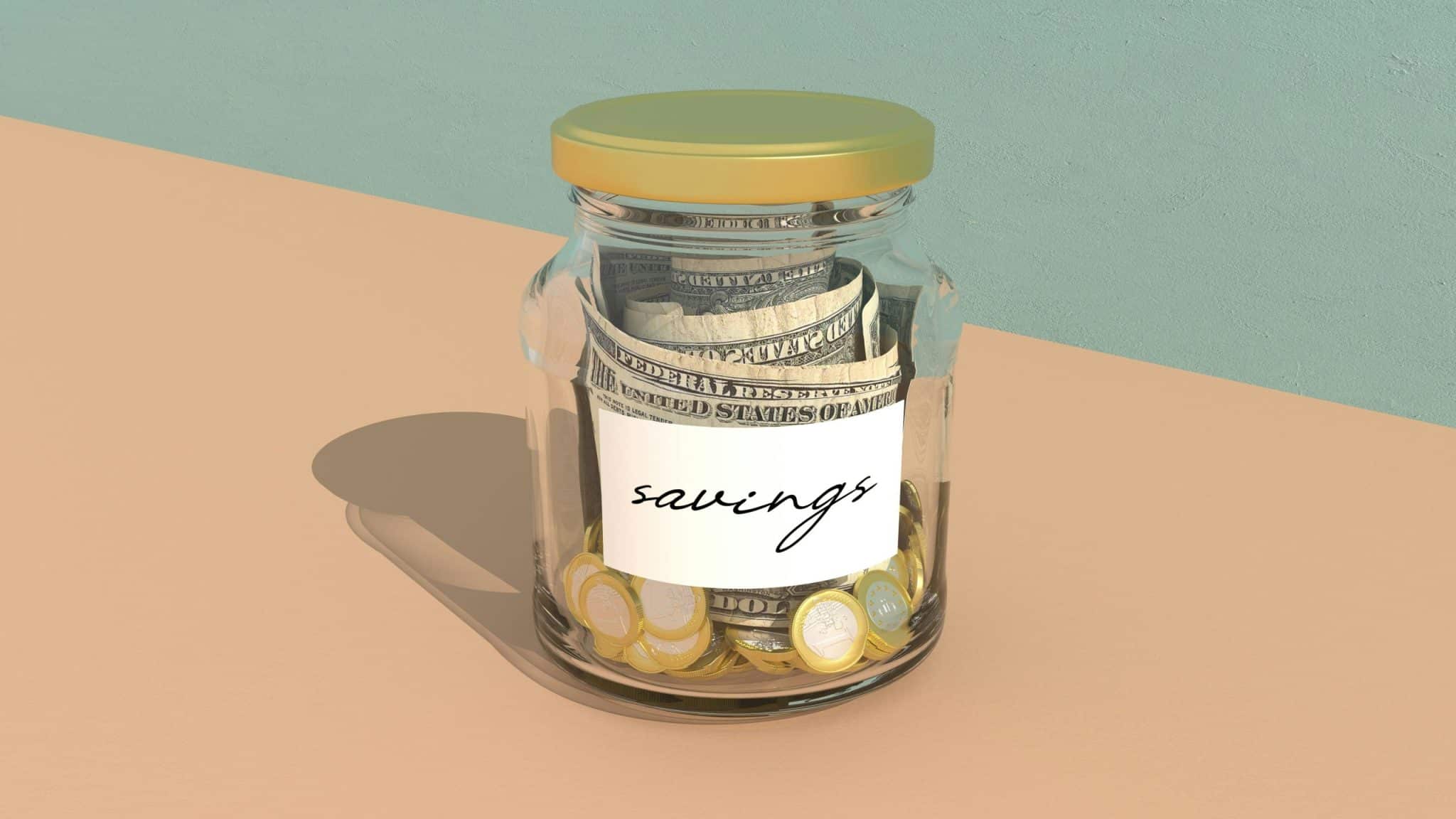

In times of economic uncertainty and rising living costs, deciding how to prioritize your money can be challenging. However, saving is crucial as it supports long-term goals and fosters a sense of financial independence. Having money set aside provides peace of mind for the future, as unexpected expenses can arise at any time. While saving can be difficult, knowing where to begin is key.
Experts at online calculator site Infinity Calculator have compiled a list of the best money-saving hacks for 2025 to help you achieve financial stability.
Use a digital budget planner
At some point during the day, whether you’re heading to work or making a quick trip to the store, it’s easy to lose track of your budget. A digital budget planner offers a convenient solution for managing your finances on the go and staying within your spending limits. It allows for quick adjustments, making it easy to tailor to your needs. With a simple app on your phone or device, you can enjoy greater accessibility while avoiding unnecessary clutter.
Use online calculators to manage finances
The use of online calculators is a smart strategy when it comes to saving money as they provide personalized and accurate insights into your finances. They are practical for budgeting, loan planning, savings goals, expense comparisons, and tax efficiency. They simplify financial decisions, making it easier to cut costs and manage money effectively.
Use piggy banks
A piggy bank symbolizes discipline and consistency. Setting aside money that you can’t access without breaking the bank might feel intimidating, especially if you’re concerned about your current financial situation. However, it’s an excellent way to save effortlessly. Whether you’re saving for a holiday or rent, you’ll be surprised at how much a few pennies can add up over time. Choosing a piggy bank that’s inaccessible until it’s full can boost your determination to save and keep you committed.
Start the one-cent saving challenge
The one-cent saving challenge is a year-long money-saving method where you save an additional penny each day. It begins with saving $0.01 on the first day of the year, increasing to $0.02 on the second day, $0.03 on the third, and so on throughout the year. By the end of the year, this simple habit adds up to $667.95, which can be put toward achieving any financial goal you’ve set for yourself.
Avoid taking money out of your savings
It can be tempting to dip into your savings for impulsive purchases, but it’s important to remember their purpose. Whether you’re saving for retirement, a mortgage, or your dream car, that money is set aside to help you achieve those meaningful goals. While new sneakers or a Saturday night out may be appealing, remind yourself that your savings are meant to support your long-term aspirations and the luxuries you’ve planned for.
Invest in life insurance when you are young
Age is a key factor when it comes to life insurance, as it significantly impacts the premium you pay. Younger individuals typically enjoy better health, which often translates to lower premiums compared to those in middle or older age brackets. For instance, a 21-year-old is likely to secure a much lower premium than an older individual, and the rate remains fixed, making it more cost-effective over time. While life insurance may not seem like a priority for young adults, it offers valuable financial support to your loved ones in the event of an unforeseen tragedy, providing peace of mind and stability for your relatives.
Shop smart at the grocery store
It’s tempting to add unplanned items to your trolley at the grocery store, but this can quickly increase your total cost. Stick to your shopping list and consider cheaper alternatives, like supermarket brands for essentials such as pasta and rice. Take advantage of store loyalty cards for discounts, as they’re free to obtain and easy to access online or in-store. Check the reduced section for fresh produce, often suitable for freezing, to save even more. Buying in bulk can also cut costs, as items are usually cheaper per unit and reduce the need for frequent trips.
Pay off your overdraft
An overdraft can work its way down the priority list when other finances come into play; it can be a great financial support network, but it must be paid back eventually due to its negative balance. After a certain amount of time, you will begin to get charged if the amount is not paid off, so pay off the overdraft as soon as you have the funds to avoid unnecessary expenses.
Jehan Wadia, CEO of Infinity Calculator commented on the findings:
“Saving money creates a safety net for future life goals, and it’s never too early to begin. Having funds set aside offers numerous benefits, including peace of mind, knowing you have something to rely on in uncertain times.
“These money-saving tips show why saving is important and how to save efficiently, making the future feel less daunting. By following these steps, you can achieve financial stability and afford the things you’ve always wanted”

