
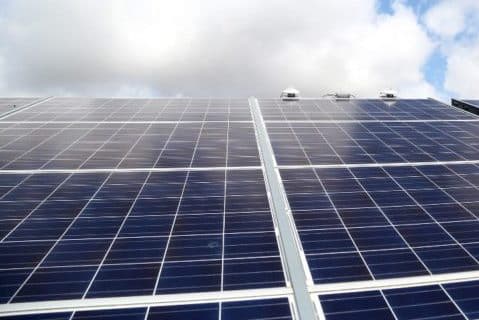

The approval of massive solar farms in the UK has sparked local outrage and debate over land use.
- Energy Secretary Ed Miliband has sanctioned solar farms covering nearly 4,000 acres in Lincolnshire and Suffolk.
- The Gate Burton and Mallard Pass projects face criticism for altering landscapes and bypassing community consent.
- Concerns have been raised about the impact on agricultural land and national food security.
- Local authorities and residents express their displeasure, fearing compromised quality of life and neglect of local opposition.
Energy Secretary Ed Miliband has given the green light to substantial solar energy projects covering almost 4,000 acres of farmland in Lincolnshire and Suffolk, stirring significant controversy and local unrest. Despite considerable opposition from local residents and councils, development consent orders have been granted for the Gate Burton Energy Park and the Mallard Pass Solar Farm. Additionally, a 2,500-acre solar project by Sunnica on the Cambridgeshire-Suffolk border has also received approval.
The Gate Burton Energy Park, located 4 km south of Gainsborough in Lincolnshire, involves installing solar photovoltaic generating panels and on-site energy storage facilities across 652 hectares, with a 172-hectare grid connection corridor. Developed by Low Carbon Ltd, this 500 MW project is set to provide solar capacity sufficient for approximately 160,000 homes. Meanwhile, the Mallard Pass Solar Farm, sprawling over 2,000 acres, straddles Lincolnshire and Rutland counties, expected to generate 350 MW of energy—enough to power around 92,000 UK households.
Local leaders have voiced their concerns, highlighting the scale and impact of these developments on the countryside. Lincolnshire County Council leader Martin Hill expressed that such large-scale projects would dramatically alter county landscapes. He criticised the speed of decision-making, indicating that the government’s quick approvals did not adequately consider community voices or environmental impacts. Hill remarked on the overwhelming volume of paperwork, asserting that it was impossible for these decisions to have been carefully evaluated.
Councillor Colin Davie, responsible for the county’s economy and environment, conveyed his disappointment, stating that approval of these massive industrial solar parks is disheartening for communities forced to coexist with them. He stressed the importance of protecting agricultural land for national food security, noting that the current administration appears unresponsive to these concerns.
Conservative MP for Rutland and Stamford, Alicia Kearns, criticised the decision as a disregard for community consent and a failure to appreciate the linkage between food security and national security. Her comments reflect a broader sentiment of discontent among local representatives and residents, who feel ignored by the current governmental stance on environmental policy and infrastructure development.
In response to the approvals, Mike Rutgers, the managing director of UK development at Low Carbon, expressed enthusiasm about progressing with the Gate Burton project, highlighting the company’s leadership in the solar market. Rutgers affirmed a commitment to engaging with local communities and stakeholders responsibly as the project moved forward.
While these solar projects promise sustainable energy progress, they also surface deep concerns over community involvement and land use priorities.

