
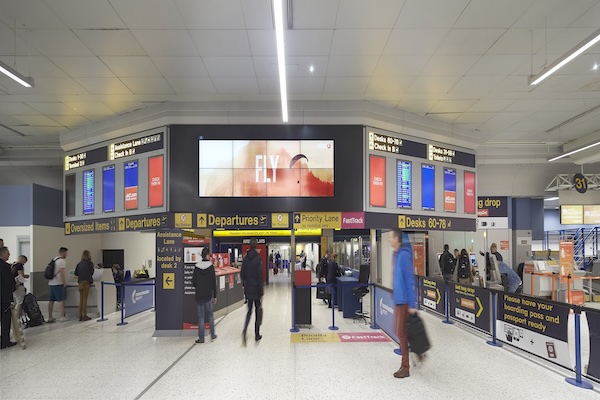

Manchester Airport faced a major power cut, affecting about 90,000 passengers and resulting in numerous flight cancellations. Systems were quickly restored to normal by Monday evening.
The power cut primarily disrupted security and baggage screenings. Despite these challenges, enhanced collaboration between the airport and airlines facilitated rapid recovery efforts, with operations running smoothly again by the end of the next day.
Immediate Aftermath and Response
Manchester airport experienced a significant power failure that led to the cancellation of numerous flights, impacting approximately 90,000 passengers over the weekend. The disruption primarily affected security and baggage screening processes. By Monday evening, the airport confirmed that systems were back to normal, with no further disturbances anticipated. However, it was acknowledged that operations remained busier than usual as airlines worked to rebook affected passengers on new flights.
Airlines’ Efforts to Mitigate Effects
Both Jet2 and Tui faced considerable challenges due to the power outage. Jet2 reported substantial disruption, with a commitment to expedite the dispatch of delayed baggage. Despite the unforeseen circumstances, Jet2 ensured customers of their ongoing efforts to resolve the issue, expressing understanding and determination. Similarly, Tui issued apologies for the inconvenience caused, particularly to those passengers who left or arrived without luggage, assuring them that all steps were being taken to reunite them with their belongings efficiently. They confirmed that no flights were cancelled, although three flights experienced significant delays.
Airport Guidance and Staff Contributions
The airport has advised passengers to remain informed about their flight statuses by checking online before travelling, adhering closely to airline instructions regarding arrival times. Typically, short- and long-haul flight passengers should arrive two and three hours in advance, respectively. Moreover, the airport management expressed gratitude towards passengers for their patience and to the airport staff and partners whose unwavering dedication helped in restoring normalcy swiftly. Such cooperation was deemed essential in managing the heightened activity efficiently. The collective effort played a substantial role in overcoming the challenges posed by the power outage.
Coordination with Airline Partners
In efforts to re-establish normalcy, the airport collaborated effectively with airlines and ground handling agents to facilitate the swift return of baggage to their rightful owners. Many pieces of luggage were redirected onto flights the same night as the incident and the following day. The airport’s coordination with various stakeholders highlighted the importance of teamwork in crisis recovery situations. They remained committed to maintaining open communication with passengers to ensure transparency and support throughout the process. Such integrations proved pivotal in addressing the logistical challenges presented by the outage.
Passenger Communication and Support
The emphasis on clear, consistent communication with passengers was reinforced in the airport’s strategy. Recognising the inconvenience caused, further guidelines were provided, emphasising contact with respective airlines for baggage information. Jet2, in particular, communicated directly with customers to provide timely updates and assurances. This transparency helped alleviate passenger concerns, fostering a better understanding of the unfolding situation. Additionally, extra personnel were deployed to provide direct assistance and minimise passenger inconvenience during this period.
Lessons from the Disruption
The incident underscored the significance of robust contingency planning and infrastructure resilience. The power failure demonstrated the necessity for comprehensive backup systems to prevent similar occurrences in the future. Manchester airport’s quick response to restore operations while managing a large influx of passengers provided valuable insights into handling large-scale disruptions. Establishing protocols for immediate action and clear communication proved crucial in ensuring safety and mitigating operational impacts. Such experiences will guide enhancements to operational strategies, aiming for greater reliability and efficiency. Establishing best practices for crisis management continues to be a priority for major transport hubs.
Future Planning and Improvements
Looking ahead, Manchester airport aims to integrate lessons learned into future operational frameworks. This includes evaluating technological infrastructures to enhance systems robustness against unforeseen failures. Continuous improvements in staff training and emergency protocols are anticipated to bolster their crisis management capabilities. Partnerships with airlines will be strengthened to ensure collaborative responses in potential future incidents. The airport’s forward-thinking approach underlines a commitment to delivering improved passenger experiences and ensuring operational continuity at all times.
The swift recovery of operations at Manchester Airport emphasised the importance of resilience and effective crisis management strategies. Future improvements are expected to enhance infrastructure and support collaborative responses in any similar events.
Both the challenges and successes highlighted in this incident will inform future planning to ensure Manchester Airport can maintain seamless operations, even in unforeseen circumstances.

