
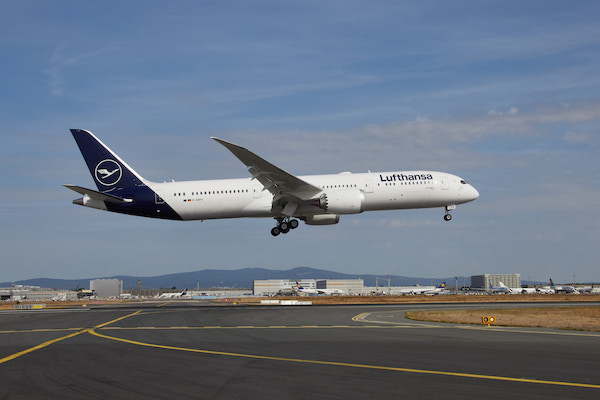

Lufthansa is facing unprecedented flight cancellations, impacting travel plans for countless passengers.
The airline’s operations are hit hard as ground staff stage a significant walkout.
Impact of the Strike on Flights
Lufthansa, one of the leading airlines in Europe, is experiencing significant disruptions due to a recent strike. The strike, initiated by the Verdi union, has led to a substantial reduction in the airline’s operational capacity. It is anticipated that as many as 80% of Lufthansa’s flights will remain grounded during this period. The strike commenced on Monday evening and is set to continue until Wednesday morning, greatly affecting travel plans for many passengers.
Airports Affected by the Walkout
The strike is concentrated at key airports, including Lufthansa’s major hubs in Frankfurt and Munich, and extends to other significant locations, such as Hamburg, Berlin, Dusseldorf, Cologne, and Stuttgart. This wide reach of the strike highlights the scale and seriousness of the dispute, impacting thousands of passengers and numerous flight schedules.
Passengers affected by the cancellations have been advised by Lufthansa to avoid airport visits unless their flights are confirmed to operate. This advisory comes amidst efforts to manage congestion and reduce inconvenience at these busy airports.
Demands of the Verdi Union
The Verdi union is advocating for a wage increase of 12.5% for approximately 25,000 ground staff workers. This demand includes a minimum raise of €500 per month over a year, alongside a one-time €3,000 payment to combat inflation. Such demands are reflective of broader economic concerns facing many employees in the aviation sector.
In response, Lufthansa has labelled the strike as regrettable, particularly given what it describes as a “far-reaching” offer made during negotiations. The airline has expressed its disappointment over the Verdi union’s decision to proceed with the strike action, indicating a significant gap between the two parties’ positions.
Previous Strike Actions
This is not the first time Lufthansa has faced disruptions due to strikes. Earlier in February, a similar walkout resulted in the cancellation of 900 out of 1,000 planned flights, affecting approximately 100,000 passengers. Such recurrences underscore the ongoing tensions between the airline and its employees.
These strikes are part of a series of disputes over wage and working conditions, reflecting a broader trend in the aviation sector where employees are increasingly vocal about their demands for improved remuneration and working standards.
Operational Challenges for Lufthansa
As the strike progresses, Lufthansa is grappling with considerable operational challenges. With only an estimated 10% to 20% of its flight programme operational, the airline is striving to manage its limited resources effectively while minimising passenger dissatisfaction.
In light of these challenges, Lufthansa has urged passengers affected by cancellations to make use of their app or email communication for updates. The usual rebooking counters remain unstaffed, adding to the complexity of managing the situation.
Economic Implications
The economic implications of the strike are far-reaching, potentially affecting not only Lufthansa but also the broader aviation industry. The disruptions can lead to significant financial losses for the airline, while also impacting related sectors that depend on air travel.
Meanwhile, the ongoing strike action highlights the financial strains faced by airline employees amidst rising inflation and cost of living. This situation presents a challenging balancing act for Lufthansa as it navigates the financial and employee satisfaction aspects of its operations.
Lufthansa’s Response and Customer Guidance
In response to the situation, Lufthansa has been proactive in its customer communication, advising passengers of the potential disruptions well in advance. They have utilised digital communication channels to ensure passengers receive timely updates, reducing uncertainties.
The ongoing strike action at Lufthansa underscores a critical phase in airline-industrial relations, marked by substantial operational challenges.
While the airline strives to manage limited operations, the broader implications for the aviation sector continue to unfold.

