
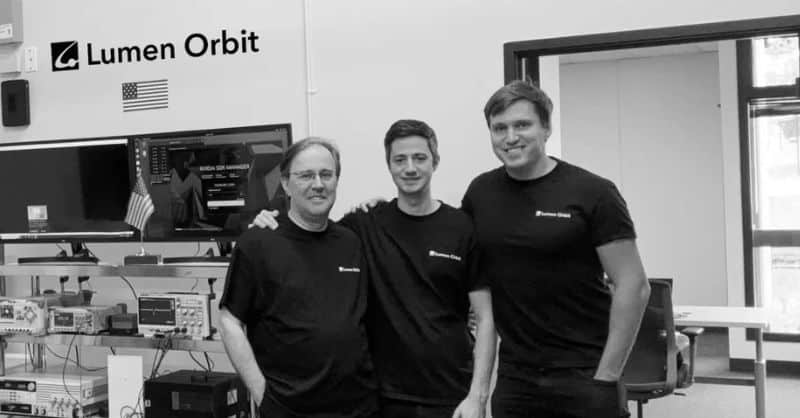

Global energy demands for AI have left traditional infrastructures struggling to keep pace. Lumen Orbit’s ambitious project to establish AI data centres in space aims to address this by harnessing solar energy in orbit. Their recent $10M funding and partnership with Nvidia mark a significant step forward.
Lumen Orbit’s innovative approach could transform the way energy is consumed by AI, providing a sustainable alternative to Earth-based systems. The use of solar-powered satellite centres promises a self-sufficient solution, reducing strain on terrestrial power grids and prompting a rethink of AI infrastructure.
Overcoming Technical Challenges in Space
Deploying data centres in space presents unique challenges, not least the issue of heat. In the void, where traditional cooling methods are unavailable, innovative solutions are required to dissipate heat from AI processors.
Earth-based models benefit from air and water cooling systems, an option not viable in orbit. Lumen Orbit will need to innovate quickly, drawing possibly from past experiments like Microsoft’s underwater centres. However, the challenges are not insurmountable, and overcoming them could set new precedents for space-based technology.
The communication delay, or ‘ping’, serves as another challenge. Lumen Orbit aims to minimise this by employing low-Earth orbit satellites, similar to the technology used by SpaceX’s Starlink. If successful, this can significantly reduce data response times, offering unrivalled speed for AI applications in space.
Pioneering Sustainable Solutions
With fresh funding and innovative strategies, Lumen Orbit is pioneering a sustainable approach to AI data handling. Their vision transcends traditional limitations, integrating space into global computing fabric. By relying on solar power and minimising terrestrial grid dependence, they offer a glimpse into a sustainable tech future.
The move toward sustainability is not without its hurdles. Yet, as energy demands on Earth skyrocket, Lumen Orbit’s model presents an attractive alternative, aligning with global objectives to reduce environmental impacts. Their efforts could significantly influence the trajectory of AI development.
Implications for Global AI Development
The shift to orbital data centres could redefine AI development on a global scale. This initiative promises to alleviate the growing energy pressure exerted by existing AI infrastructures.
By introducing such groundbreaking change, Lumen Orbit potentially offers a template for future developments. Their success may inspire other startups to explore innovative solutions beyond Earth, pushing the boundaries of what’s possible.
Innovations in Space Technology
Lumen Orbit’s endeavours signify a broader trend of technological advancements in space. Their pioneering work with AI centres reflects a shift towards using extraterrestrial environments for technological growth.
As they push forward, their progress could catalyse wider acceptance and application of space-based technology. The company’s success or failure will likely influence subsequent space-tech ventures and funding allocations, guiding the next wave of innovations.
Building Investment Momentum
The recent infusion of capital signals strong investor confidence in Lumen Orbit’s vision. Such financial backing showcases trust in their proposal and the possibility of substantial returns, should their plans come to fruition.
With increased investment comes heightened expectations. This funding provides the means to accelerate development, ensuring Lumen Orbit remains a pivotal player in the nascent field of space-based data technology.
The Future of Computing
Lumen Orbit’s project represents a significant step towards reshaping computing. The reliance on space not only addresses immediate energy challenges but also sets a course for future technological expansion.
As these space-based data centres become operational, they could herald a new era in AI development. The successful deployment of such technology might lead to a paradigm shift in how resources are managed, influencing energy and tech sectors worldwide.
What Lumen Orbit accomplishes here could well define the next generation of technological evolution. Their pioneering efforts in using space for data centres will serve as a benchmark for what lies ahead.
Lumen Orbit’s venture into space-based AI data centres not only addresses current energy issues but also lays the groundwork for future technological advancements. Their pioneering concept challenges current conventions, paving the way for sustainable growth in AI development.

