
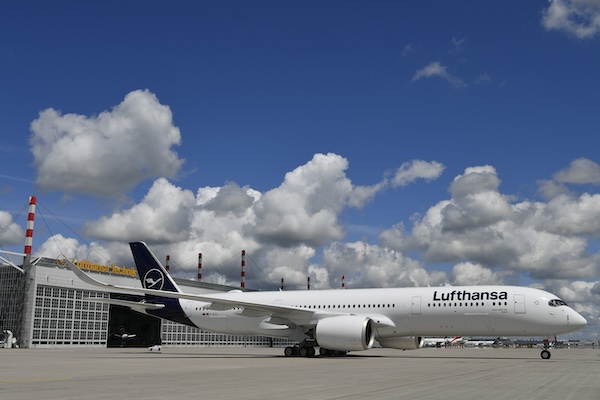

Effective January 2025, Lufthansa Group airlines will impose an environmental surcharge on tickets. This move marks a significant step in aligning with regulatory requirements.
Spanning multiple countries, this surcharge aims to offset environmental costs, showcasing Lufthansa’s commitment to sustainability. Travellers can expect variable charges based on destination and ticket type.
The Lufthansa Group, comprising several prominent European airlines, is set to implement an environmental cost surcharge on tickets effective January 2025. This surcharge, ranging from €1 to €72, will depend on the route and fare, and aims to offset rising regulatory environmental costs. The group stresses that these measures are essential to meet evolving climate obligations.
The surcharge applies to all Lufthansa Group flights departing from the 27 EU member states, as well as the UK, Norway, and Switzerland. This wide-ranging scope includes airlines such as Austrian Airlines, Brussels Airlines, Eurowings, and Swiss, aligning their operations with stricter environmental regulations.
In a commitment to sustainability, the Lufthansa Group invests billions annually into emerging technologies and works with industry partners to enhance aviation sustainability. Their efforts support the development of key technologies aiming to reduce environmental impact, demonstrating the group’s proactive approach to environmental stewardship.
The new surcharge is introduced to partially cover costs associated with legislative demands, including the statutory blending quota for sustainable aviation fuels (SAF) and the EU Emissions Trading System adjustments. The group acknowledges that while these costs are increasing, it is crucial for compliance with both EU and international standards like CORSIA.
For travellers, this surcharge represents an additional cost consideration when booking flights with Lufthansa Group airlines. Market analysts suggest that while there might be some resistance, the move aligns with growing consumer awareness of environmental issues. It could set a precedent, encouraging other airlines to adopt similar measures.
The introduction of this surcharge underscores the challenging balance between environmental responsibilities and financial viability for airlines. While the Lufthansa Group seeks to cushion the cost pressures, there remains an ongoing dialogue within the industry regarding sustainable practices and economic sustainability.
As Lufthansa Group forges ahead with its sustainability initiatives, the new surcharge exemplifies the financial implications of eco-friendly compliance.
This move could resonate throughout the airline industry, prompting a broader shift towards environmentally-conscious operations.

