
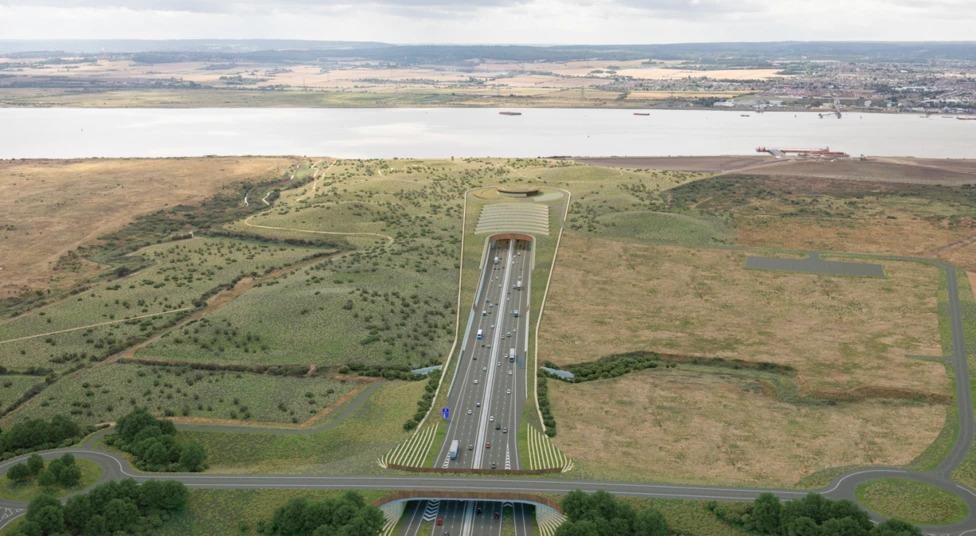

The much-anticipated Lower Thames Crossing project faces another setback, experiencing multiple delays over the years.
- Transport Secretary Louise Haigh announced a new delay extending the decision to 23 May 2025.
- The plan, in development since 2009, aims to ease congestion around the Dartford Crossing and involves significant infrastructure.
- The Road Haulage Association (RHA) emphasises the economic benefits of the project, advocating for its approval.
- Significant financial investments have already been made in the project’s planning stages, heightening calls for government action.
Transport Secretary Louise Haigh recently declared yet another delay for the Lower Thames Crossing project, pushing the decision date to 23 May 2025. This project has faced a series of postponements, each time adding to the frustration of stakeholders awaiting its completion. Initially set to be decided in June this year, the decision was first deferred to 4 October then further postponed by eight months due to political and budgetary reviews.
Having been under planning since 2009, the Lower Thames Crossing has already accrued costs of approximately £800 million. This infrastructure project entails constructing a 14.3-mile road featuring a 2.6-mile tunnel beneath the Thames, which would be the longest road tunnel in the UK. Its primary goal is to alleviate severe congestion at the Dartford Crossing, one of the country’s most congested roads.
The RHA has persistently advocated for the project to proceed due to its potential to significantly expand road capacity and reduce congestion. The association stated that the proposed tunnel could relieve pressure on the Dartford Crossing, a bottleneck costing the UK economy over £200 million annually in lost productivity and freight delays.
In terms of financial impact, the Lower Thames Crossing is projected to almost double the capacity across the Thames east of London, potentially injecting up to £40 billion into the UK economy. Richard Smith, RHA’s Managing Director, conveyed disappointment over the delay, recognising the project’s capacity to transform road infrastructure, foster job creation, and drive economic growth.
The RHA has called on the government to allocate sufficient resources to road maintenance and has proposed that the upcoming Road Investment Strategy (RIS3) include a series of new projects to stimulate further economic advancement. Despite the recent budget cuts to several major infrastructure projects, the Lower Thames Crossing remains crucial in the RHA’s strategy to ameliorate road congestion issues.
The Lower Thames Crossing’s continuing delays underscore the pressing need for decisive government action to unlock its transformative potential.

