
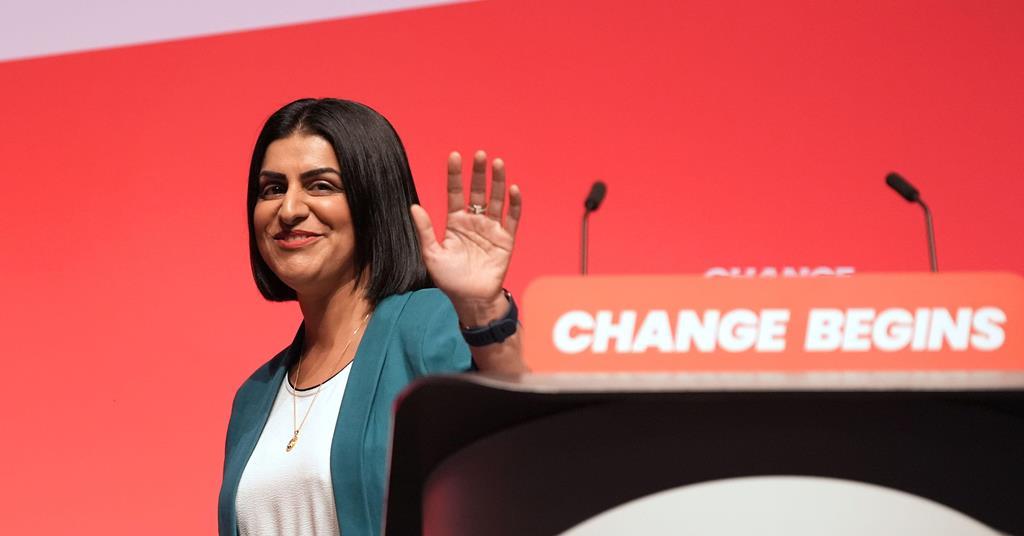

Amidst ongoing legal challenges, Lord Chancellor Shabana Mahmood is urged to address legal aid concerns, following a settled dispute.
- The Legal Aid Agency has initiated the bidding process for new crime contracts with a firm deadline looming.
- Critics argue the lack of comprehensive financial details hampers firms’ ability to make informed decisions on 10-year contracts.
- The Law Society and LCCSA have highlighted the absence of clarity and certainty in remuneration amidst the bidding process.
- Urgent action is demanded from the government to ensure the sustainability of criminal legal aid, with potential repercussions looming.
Lord Chancellor Shabana Mahmood recently settled a High Court dispute with law firm Duncan Lewis concerning fees for legal aid in immigration and asylum cases. Despite this resolution, a potential new confrontation looms over ongoing legal aid issues, notably concerning the procurement process for criminal legal aid contracts.
The Legal Aid Agency has commenced the tendering process for new 10-year crime contracts. Firms interested in participating in duty schemes need to submit their bids by 22 October. Missing this crucial deadline would mean waiting until January 2026 to apply again. These long-term contracts, introduced by a previous administration, are intended to enable firms to make viable long-term business decisions.
However, the Law Society and the London Criminal Courts Solicitors Association (LCCSA) have criticised the current conditions, arguing that firms are pressured to bid without having access to necessary comprehensive information. This includes absent details regarding police station and youth court fees, and a long-awaited announcement on revised criminal legal aid fees following a High Court challenge.
In an open letter to the Legal Aid Agency, the LCCSA described the expectation for firms to commit to contracts without guaranteed increased remuneration as both ‘unfair and irrational’. They highlighted the lack of financial certainty as a key concern preventing informed decision-making.
Echoing this sentiment, the Law Society has warned of advising its members against pursuing work in this area unless the Ministry of Justice demonstrates a rapid commitment to making criminal legal aid sustainable. A spokesperson indicated potential further action should the government fail to provide ‘better news’. This mounting dissatisfaction signals an urgent call for the Lord Chancellor to deliver substantial improvements swiftly.
The current challenges highlight the necessity for prompt government action to ensure the sustainability of legal aid frameworks.

