
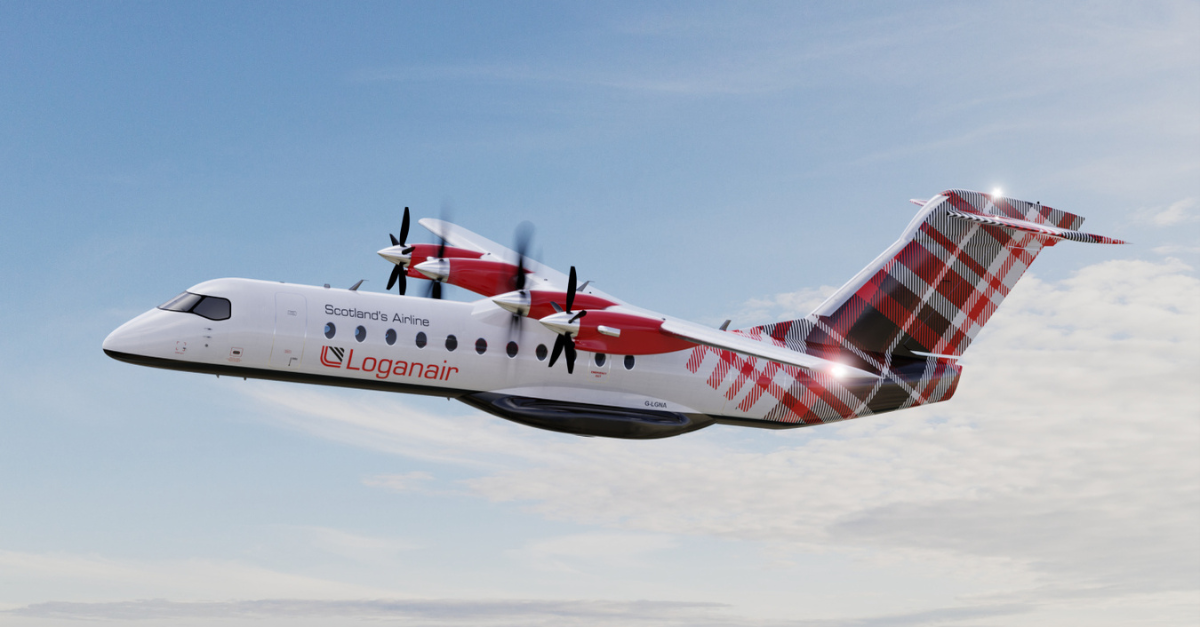

Loganair has embarked on a promising partnership with Heart Aerospace to transform regional aviation. This collaboration focuses on developing and implementing hybrid-electric aircraft, a crucial step towards sustainable air travel.
The UK’s regional airline, Loganair, is teaming up with Heart Aerospace, a pioneering company in electric aviation. Together, they aim to introduce the ES-30, a hybrid-electric aircraft, into the regional aviation market, significantly reducing emissions.
A New Era in Regional Aviation
Loganair’s collaboration with Heart Aerospace marks a bold step towards redefining regional air travel. The joint effort will focus on integrating Heart Aerospace’s ES-30 hybrid-electric aircraft within the UK and Scottish aviation networks. By engaging with governmental and airport bodies, this partnership aims to emphasise the aircraft’s potential in reducing carbon emissions while maintaining operational efficiency.
The ES-30: A Glimpse into the Future
The ES-30 aircraft, capable of carrying up to 30 passengers, is at the heart of this initiative. Designed to be energy-efficient, it offers a substantial decrease in emissions, aligning with international standards for reducing aviation’s environmental impact.
Loganair anticipates that the ES-30 will not only enhance regional connectivity but also set new benchmarks for eco-friendly aviation solutions. The focus is on creating viable use cases across Loganair’s operating regions, showcasing the aircraft’s adaptability and performance.
Loganair’s Commitment to Sustainability
Throughout its operations, Loganair has consistently prioritised environmental sustainability. This new partnership represents a significant progression towards their goal of net-zero emissions by 2040.
Loganair’s CEO, Luke Farajallah, expressed a strong commitment to sustainable aviation, noting that the collaboration with Heart Aerospace is a natural continuation of their environmental initiatives.
This alliance reflects a shared vision of reducing aviation-related emissions in practical and meaningful ways, with the ES-30 positioned as a key player in achieving these objectives.
Industry Collaboration and Planning
As part of the agreement, Loganair will take an active role in Heart Aerospace’s advisory board. This involvement demonstrates their commitment to influencing and shaping the future of hybrid-electric flight within the industry.
Collaboration with industry stakeholders, including government entities and other aviation companies, is crucial for the successful implementation of these new aircraft technologies. Loganair is poised to lead these discussions, advocating for the widespread adoption of cleaner aircraft across regional routes.
The Role of Government and Infrastructure
Engagement with governmental bodies is essential in facilitating the integration of hybrid-electric aircraft within existing aviation frameworks. Loganair and Heart Aerospace’s partnership will work closely with the UK and Scottish governments to ensure supportive policies are in place.
Infrastructure adaptations are also necessary to accommodate the new aircraft type, requiring coordinated efforts between airports and the airline. This partnership aims to address these challenges, ensuring a seamless transition to greener aviation.
Challenges and Prospects
Implementing hybrid-electric technology in aviation is not without its challenges. However, Loganair is optimistic, viewing these hurdles as opportunities to innovate and improve regional aviation.
The long-term prospect of hybrid-electric aircraft offers a transformative shift, providing sustainable and economically viable solutions for the industry. Success hinges on overcoming initial barriers, which Loganair is well-prepared to tackle.
Looking Ahead
This partnership between Loganair and Heart Aerospace represents a visionary step towards a sustainable future in regional aviation. The anticipated outcomes include reduced emissions, enhanced passenger connectivity, and a pioneering role in eco-friendly air travel.
Loganair’s partnership with Heart Aerospace is a testament to their commitment to sustainable aviation. The focus on hybrid-electric technology signifies a promising future for regional air travel, aligning well with industry-wide environmental goals.

