
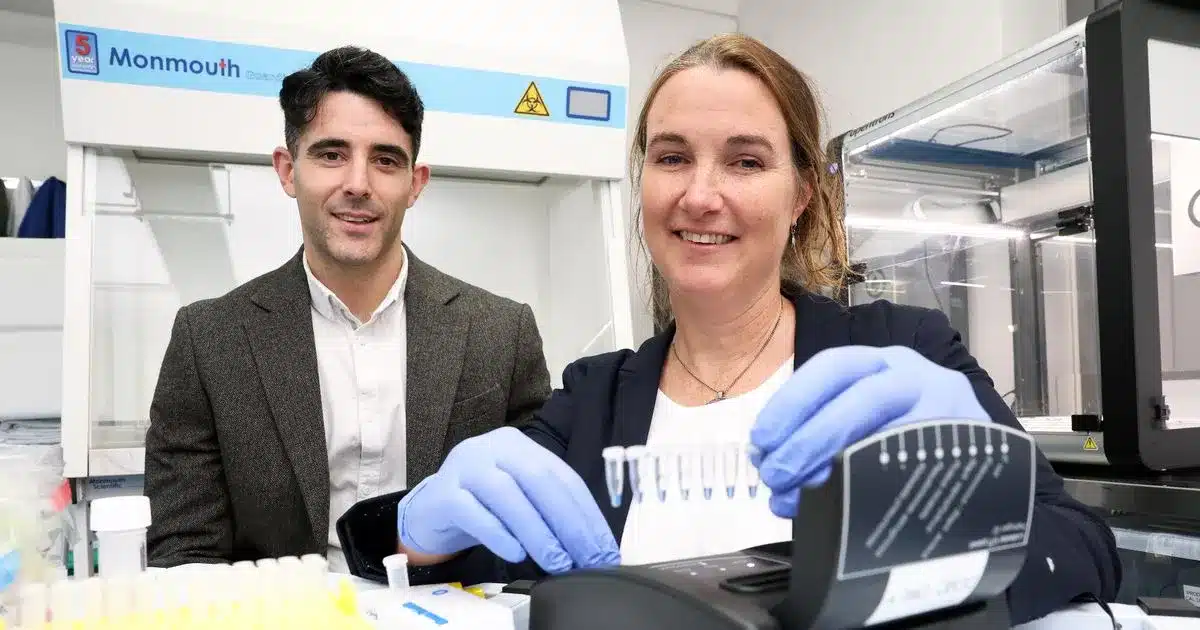

Llusern Scientific, a University of South Wales spinout, has secured significant investment.
- The Development Bank of Wales backs the firm in a new equity round.
- Funds will accelerate the commercialisation of innovative UTI diagnostic tests.
- Llusern’s rapid test offers 35-minute results, enhancing treatment accuracy.
- The investment signifies confidence in Wales-based spinout potential.
Llusern Scientific, originating from the University of South Wales, has successfully garnered a considerable six-figure investment from the Development Bank of Wales. This substantial financial support is set to bolster the company’s commercialisation efforts for its pioneering rapid diagnostic test for urinary tract infections (UTIs). By facilitating faster and more accurate diagnoses, Llusern aims to streamline the process, significantly reducing the time and resources traditionally required by current methods.
The company’s latest funding initiative serves not only to aid their advancement but also highlights the strategic role that investment plays in transitioning academic discoveries into market-ready solutions. The recent backing by the Development Bank of Wales is a testament to Llusern’s potential for growth and impact, allowing the enterprise to further develop its Lodestar DX system, designed to deliver highly accurate results in merely 35 minutes.
Led by Dr Emma Hayhurst, Chief Executive, and initially co-founded with Dr Jeroen Nieuwland, Llusern Scientific has benefited from both a discovery award from the Longitude Prize and the UK innovation agency NESTA. These accolades have facilitated the creation of their cost-effective diagnostic tools, crucial in the battle against antibiotic resistance. The inclusion of seasoned professionals like Professor Ali Roula and Martyn Lewis has further strengthened the company’s capability in developing advanced diagnostic systems.
The rapid rise in UTI cases, exacerbated by an ageing population and increasing antibiotic resistance, necessitates such innovative solutions. Traditional methods like urine culture systems present a delay of up to two days for pathogen identification, a gap that Llusern’s technology aims to bridge with its immediate and evidence-based approach. This not only improves patient care but also supports effective antibiotic management within primary healthcare settings.
In alignment with these technological advancements, Harry George and Carl Griffiths from the Development Bank of Wales have expressed strong support for Llusern’s mission. Their investment underscores the bank’s commitment to fostering high-growth potential technology start-ups, ensuring they possess the necessary resources to thrive and contribute significantly to the regional economy.
Dr Louise Bright from the University of South Wales emphasised the institution’s dedication to promoting research that transitions into real-world applications. The Development Bank’s investment in Llusern exemplifies the growing confidence and belief in the capabilities of Welsh university spinouts to make substantial contributions to both local and global markets.
Llusern Scientific’s new investment marks a significant milestone in the commercial viability of academic research in Wales, promising enhanced healthcare outcomes and economic growth.

