
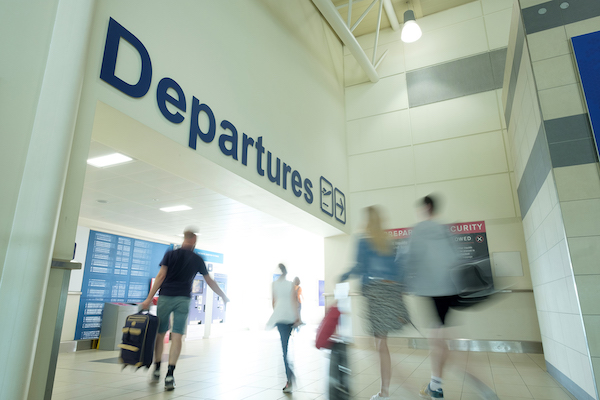

Liverpool John Lennon Airport experienced an operational halt due to a power failure that affected flight schedules.
The incident led to flight diversions and delays, highlighting the critical nature of airport infrastructure.
Power Failure Disrupts Operations
On Monday afternoon, operations at Liverpool John Lennon Airport faced an unexpected halt due to a significant power failure that disrupted air traffic control systems. As a result, multiple inbound flights had to reroute to nearby airports such as Manchester and Birmingham to ensure passenger safety. The power outage not only affected incoming flights but also caused delays for scheduled departures, sowing chaos for passengers awaiting their travels.
With passenger safety as a priority, the airport swiftly arranged coaches to transport affected passengers from these redirected flights to their destinations. This unforeseen incident highlights the vulnerability of critical systems to infrastructure failures, prompting questions about the airport’s contingency planning and resilience measures.
Response and Communication
The initial response from Liverpool John Lennon Airport emphasised the immediate actions being undertaken to resolve the issue. In a statement, the airport acknowledged the power failure’s impact on air traffic control and operations, assuring passengers of their commitment to resolving the fault promptly. Regular updates were provided to passengers through social media and direct communication with airlines.
Additionally, passengers were advised to check directly with their respective airlines for the latest information regarding their flights. This emphasis on communication underscores the importance of maintaining transparent and effective dialogue with stakeholders during disruptions, ensuring that affected individuals receive timely and accurate information.
Technical Challenges Addressed
Engineers were swiftly deployed to diagnose and rectify the problem, working tirelessly to restore normal operations. The airport’s technical teams played a crucial role in addressing the underlying power issues affecting air traffic, ultimately achieving a resolution that allowed flight operations to resume safely.
The restoration of services at the airport marks a critical achievement in mitigating the immediate chaos caused by the power failure. The technical resolution reflects a concerted effort by the engineers and staff, showcasing the importance of skilled personnel in crisis management scenarios. Their expertise ensured the swift recovery of operations, minimising prolonged disruption for passengers and airlines alike.
However, this incident raises questions about the robustness of current systems and the measures in place to prevent future occurrences. The episode serves as a reminder of the need to invest in infrastructure to bolster reliability and security, addressing any vulnerabilities that might jeopardise airport operations.
Passenger Experiences and Reactions
The power failure resulted in considerable inconvenience for passengers, who were left waiting for updates and transport arrangements amid uncertainty. Some passengers expressed their frustration on social media platforms, highlighting the importance of efficient customer service and clear communication in managing such disruptions.
Despite the challenges faced, many passengers appreciated the airport’s efforts in providing timely transport solutions and continuous updates. These gestures alleviated some stress associated with unexpected travel disruptions, emphasising the significance of passenger-centric approaches in modern airport operations.
Ultimately, the response to this disruption showcases the delicate balance between technical efficiency and passenger satisfaction. While operational issues are inevitable, how an airport manages its customer relations can significantly impact its reputation and trust among travellers.
Resumption of Services
Following the resolution of the power issue, Liverpool John Lennon Airport announced the resumption of its services through an update on X, formerly known as Twitter. The airport statement conveyed relief and gratitude towards the engineers’ efforts, acknowledging the inconveniences faced by passengers due to the temporary suspension of operations.
Flights have since resumed, although passengers were advised to remain in communication with their airlines for any further delays. This notice served as a precautionary measure, reinforcing the importance of vigilance in ensuring the smooth reactivation of airport activities.
The prompt restoration of services post-incident reflects the operational resilience of Liverpool John Lennon Airport, which prides itself on delivering reliable service to its patrons.
Implications for Future Operations
This incident highlights the significant implications for the airport’s future operations and its approach towards crisis management. The power failure acts as a case study for evaluating current infrastructure resilience and emergency preparedness, urging the airport to review and potentially enhance its systems.
Investing in robust infrastructure and developing comprehensive contingency plans can significantly mitigate risks associated with such disruptions. Future operations may benefit from implementing advanced technological solutions that provide real-time monitoring and rapid response capabilities to avert similar challenges.
Ultimately, Liverpool John Lennon Airport must prioritise infrastructure upgrades and crisis management improvements to bolster confidence among travellers and stakeholders, ensuring continued operational reliability and safety.
Conclusion
Liverpool John Lennon Airport has demonstrated resilience and adaptability in addressing an unexpected power failure, restoring its operations swiftly. The incident underscores the necessity for robust infrastructure and effective crisis management strategies.
The swift action taken by Liverpool John Lennon Airport serves as a testament to its operational resilience.
Continued investment in infrastructure is crucial to prevent future disruptions and ensure seamless air travel.

