

Linkline Transport, a Northamptonshire logistics company, recently announced its intention to appoint administrators, highlighting its ongoing financial difficulties.
- The company, based in Wellingborough, filed its notice via the law firm Shoosmiths on 14 June, marking a significant development in its financial journey.
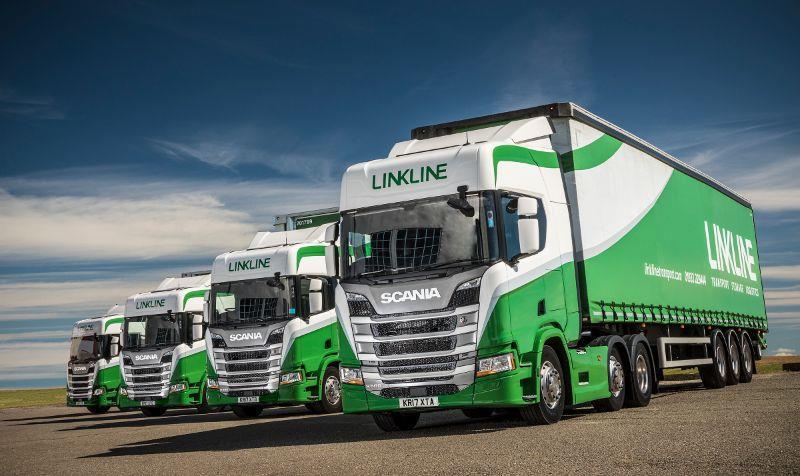
- Linkline has been a key player in the logistics sector, boasting a fleet of 100 trucks, 130 trailers, and 237,000sq ft of warehousing, alongside employing 50 staff.
- Recent financial support included a £12.5m funding line from Shawbrook Bank, aimed at expansion, though challenges have persisted.
- The company’s director has reportedly set up a new business from the same premises, seeking an operator licence for 50 trucks.
Linkline Transport, a prominent logistics and warehousing firm based in Wellingborough, Northamptonshire, publicly declared its intention to appoint administrators on 14 June, as confirmed by the law firm Shoosmiths. This step underscores the firm’s mounting financial pressures.
Since its inception in 1993, Linkline Transport has grown to operate a large fleet of 100 trucks and 130 trailers, and it maintains expansive warehousing facilities covering 237,000 square feet. The firm offers a range of services including home delivery, contract haulage, and pallet deliveries, employing approximately 50 individuals to fulfil its operations across the United Kingdom.
Despite securing a substantial £12.5 million funding arrangement from Shawbrook Bank last May, which was intended to facilitate expansion into additional locations, Linkline’s financial issues appear unresolved. This funding package included a £5 million confidential invoicing finance loan, reflecting strategic plans for growth that were unfortunately overshadowed by subsequent financial difficulties.
In a strategic move earlier this year, Linkline acquired the intellectual property and goodwill of WH Barley (Transport and Storage) for a minimal sum after the latter’s collapse into administration. However, this acquisition did not secure lasting financial stability for Linkline, as evidenced by its current predicament.
Compounding the situation, attempts to reach Linkline for comment have been unsuccessful. The state of the company is further complicated by overdue accounts that were expected to be filed with Companies House by the end of March.
Adding to the intrigue, it appears that the director responsible for guiding Linkline Transport through this turbulent time has initiated a new venture at the same site, simultaneously applying for an operator licence for a fleet of 50 trucks. This development suggests ongoing interest in retaining a foothold within the logistics industry despite the administrative challenges faced by Linkline.
Linkline Transport’s move to appoint administrators signifies a pivotal moment in its operational history, potentially altering its role in the logistics sector.

