
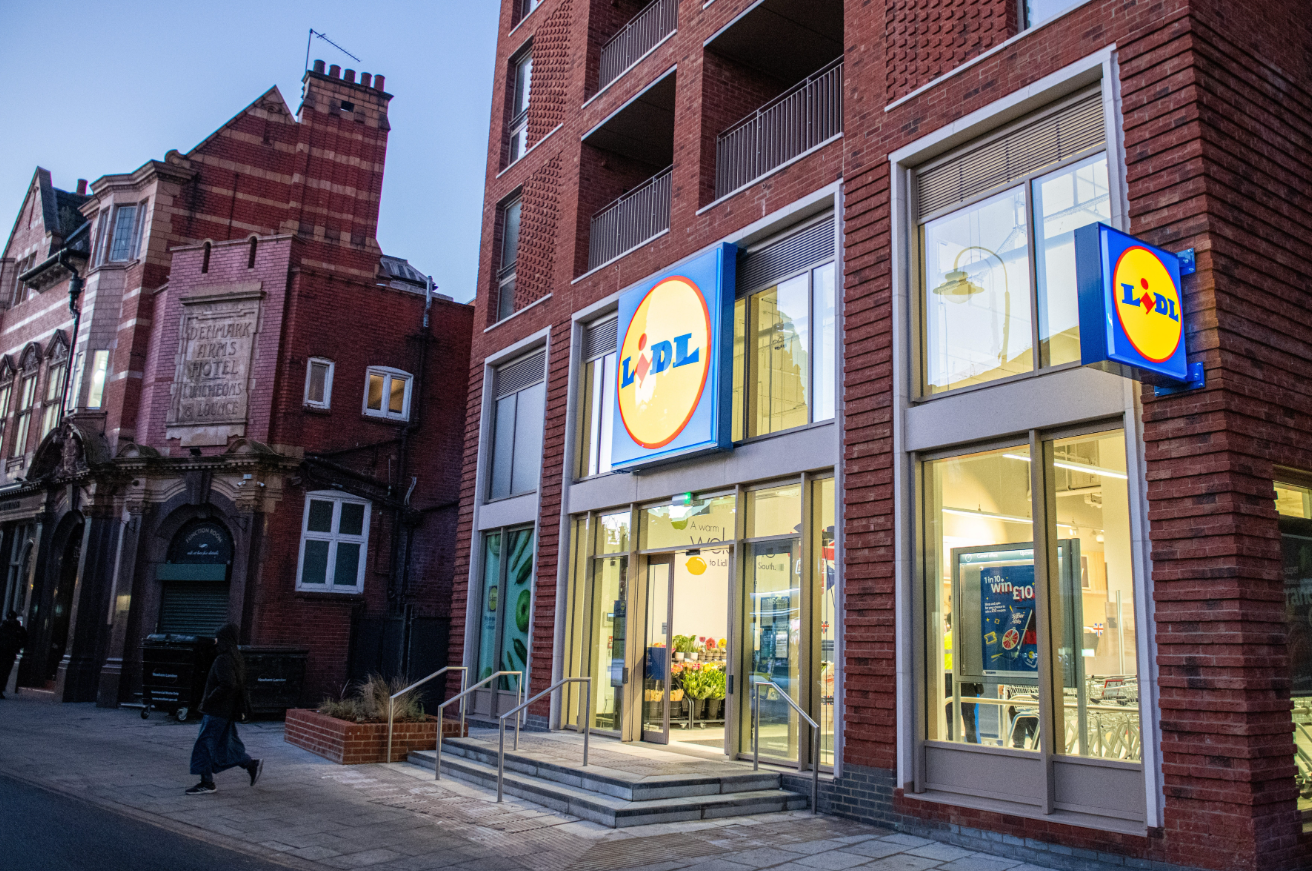

Lidl’s leadership is addressing the impact of new financial pressures on its pricing strategy.
- Employer National Insurance contributions are set to increase, adding to business expenses.
- The British Retail Consortium and major retailers anticipate a potential £7bn annual rise in industry costs.
- Retailers, including Asda and Sainsbury’s, foresee significant financial challenges as a result.
- Bank of England acknowledges the likelihood of job cuts due to the increased financial burden.
Lidl GB’s CEO Ryan McDonnell has assured stakeholders that the supermarket chain will continue its commitment to offering competitive prices, in spite of rising financial obligations. These obligations come following Chancellor Rachel Reeves’ announcement of increased employer National Insurance contributions set for April 2025. The adjustment means that contributions will augment from 13.8% to 15% for employee earnings above £175 weekly. McDonnell conveyed to PA News that this shift would translate into ‘tens of millions of pounds’ in additional costs for Lidl.
This financial pressure is shared across the retail sector. Numerous retailers, Asda’s chairman Lord Stuart Rose and Sainsbury’s CEO Simon Roberts among them, are voicing concerns about substantial additional National Insurance costs. Asda anticipates costs will rise by approximately £100m, while Sainsbury’s expects an increase of £140m, necessitating arduous decisions in order to accommodate these changes. The added pressure on Tesco involves an additional £1bn over four years.
A letter organised by the British Retail Consortium and endorsed by over 70 companies highlights the compounded effect of the National Insurance hike, alongside anticipated rises in the national minimum wage and new packaging levies. Together, these could result in a dramatic surge in the retail sector’s operational costs by up to £7bn annually, prompting fears of inevitable job losses and escalating prices.
Governor of the Bank of England, Andrew Bailey, has affirmed the forewarnings issued by retailers regarding job cuts. He noted that the reduction in employment might exceed the 50,000 positions forecasted by the Office for Budget Responsibility. The governmental and economic context sets a challenging stage for retailers, urging them to ingeniously manage these added financial responsibilities.
The retail industry faces a difficult balancing act to manage rising costs while striving to maintain stable pricing and employment.

