
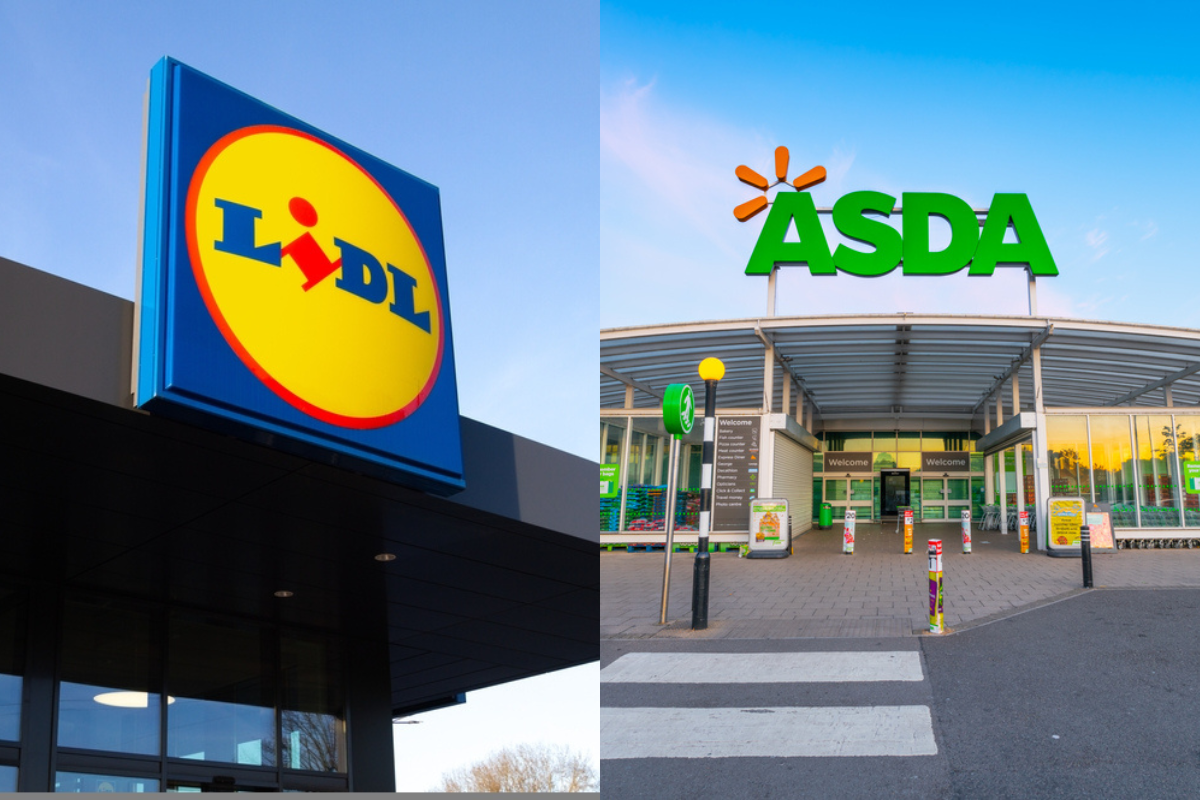

The UK grocery market has witnessed notable fluctuations as Lidl advances and Asda experiences a downturn.
New data reveals Lidl’s growing market influence through strategic initiatives, while Asda’s market share diminishes amidst competitive pressures.
Recent data unveils significant shifts in the UK grocery landscape. Lidl has experienced a notable 9.1% increase in sales, attributed mainly to innovative digital vouchers for bakery goods. Conversely, Asda‘s market share has seen a decline. Its sales dropped by 5.6%, leading to a reduction in market hold to 12.6%, marking a 1.2 percentage point decrease.
The strategic use of digital vouchers has substantially impacted Lidl’s customer engagement, increasing its market share to a solid 8%. This initiative has not only boosted sales figures but also enhanced customer loyalty by aligning with consumer demand for value-driven purchases.
Ocado, renowned for its online retailing prowess, continues to excel with a 12.9% sales surge. This success has positioned it as the leading growth contender for the seventh month in succession. Its market share incrementally rose by 0.2 percentage points, now standing at 1.8%.
Grocery price inflation eased slightly to 1.7% in the past month. However, experts, including Fraser McKevitt, caution that consumer confidence remains fragile. Despite inflation downturns, nearly 60% of shoppers report significant concern over grocery expenses, second only to energy costs. Retailers have strategically increased promotional sales to alleviate consumer burdens.
The UK retail sector attentively anticipates the Chancellor’s forthcoming Autumn Budget, which is expected to shape household financial planning. The potential economic policies could have far-reaching effects on consumer spending power, influencing future retail dynamics.
Retailers have amplified their promotional efforts, with over half of grocery shopping trips entailing some form of discount. This trend has persisted, indicating heightened competitive tactics to attract budget-conscious shoppers. Large basket purchases typically see an increased incidence of promotional deals.
As the grocery sector adapts to shifting economic variables, key players like Lidl and Ocado are set to progress through strategic innovation. Meanwhile, more traditional retailers face challenges mandating swift strategic recalibrations.
The evolving dynamics within the UK grocery market illustrate the imperative for strategic flexibility among retailers.
Lidl’s upward trajectory contrasts with Asda’s challenges, highlighting the need for adaptive strategies in a shifting economic landscape.

