
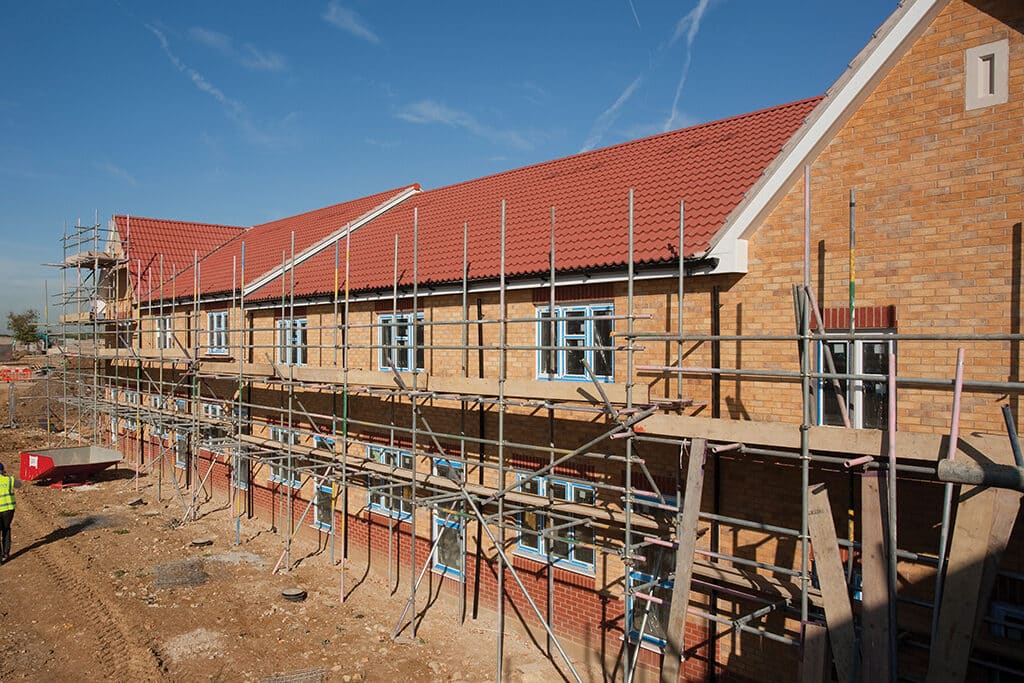

The Liberal Democrats have reaffirmed their commitment to addressing the UK’s housing crisis with a target of 380,000 new homes annually if elected.
- This ambitious target significantly exceeds the current government’s goal and proposes the development of 10 new garden cities.
- The party also plans to review the HS2 cancellation, potentially revitalising the project or finding a viable alternative.
- Key to their strategy is using existing brownfield sites and offering incentives for development.
- Challenges such as community opposition and planning system inefficiencies could impede achieving this target.
The Liberal Democrats, in their latest manifesto, have reasserted their dedication to tackling the housing shortfall in the UK by proposing the construction of 380,000 new homes each year. This figure represents a notable increase of over 25% compared to the existing government target. The manifesto outlines intentions to create 10 new garden villages, although specific locations and timelines for these developments remain unspecified.
Furthermore, the party has committed to revisiting the discontinuation of the Northern leg of the HS2 high-speed rail project. By exploring options to either continue the project with private investment or find alternative solutions, the Liberal Democrats aim to ensure economic viability and improved transport infrastructure for the North of England.
A focal point of the housing strategy is the utilization of brownfield sites. These areas, often previously developed lands no longer in use, are seen as vital to expanding housing availability. However, the total financial incentives to stimulate such developments have not been detailed in the manifesto.
Critically, there are significant obstacles that may hinder the Liberal Democrats’ housing ambitions. Community resistance, often characterized by ‘not in my backyard’ sentiments, poses a notable challenge to large-scale development projects such as these garden cities. Planning processes, which are often described as sluggish and fragmented, will require substantial reform to accommodate these ambitious goals effectively.
Within the broader construction sector, capacity issues are also a concern. The sector is currently grappling with resource limitations, including shortages in skilled labour and essential materials. Industry experts, like Colin Brown from Carter Jonas, have highlighted these constraints, pointing out the need for considerable investment in construction capabilities to meet the proposed housing targets.
Adding to the complexity of the situation, recent data paints a bleak picture of the housing supply pipeline, with planning permissions at their lowest since data collection began in 2006. These figures underscore the urgency and scale of the housing crisis, emphasising the formidable task any new government will face in meeting its housing promises.
The Liberal Democrats face a formidable challenge in realising their ambitious housing goals amidst significant logistical and societal hurdles.

