
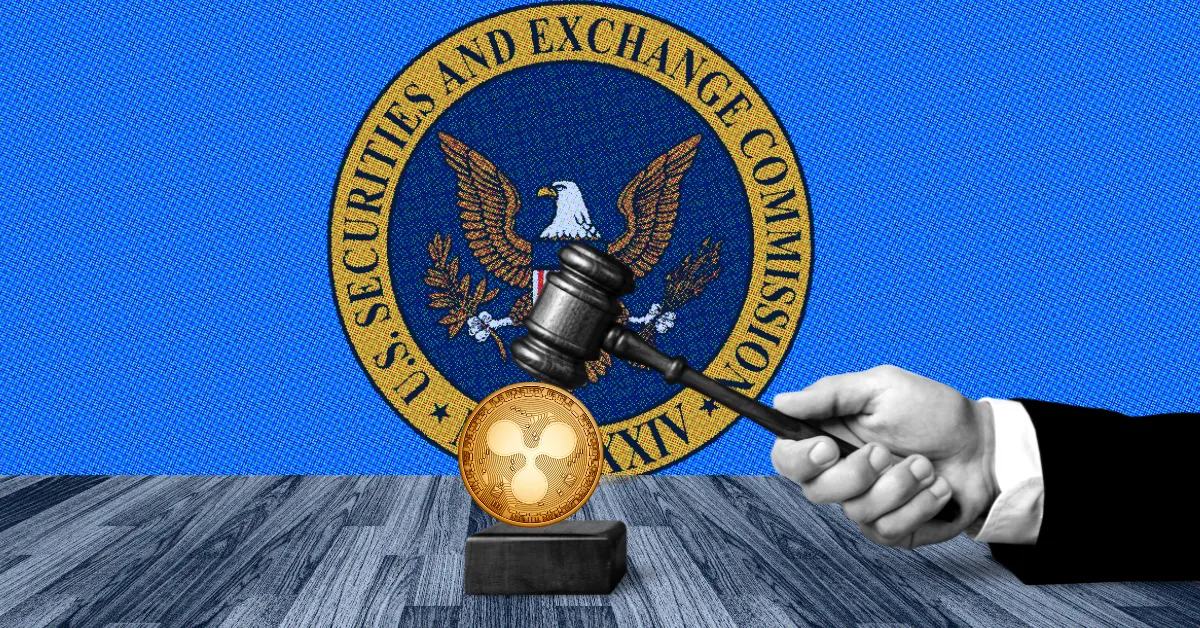

The ongoing legal battle between Ripple and the SEC intensifies with recent appeals challenging XRP’s classification as a security.
Amid the controversy, legal interpretations are crucially shaping the discourse around digital asset regulation and could establish significant precedents in the crypto industry.
MetaLawMan, a notable figure within the XRP community, argues that institutional sales of XRP by Ripple do not equate to investment contracts. These entities engage in transactions akin to wholesalers acquiring commodities for resale at a profit. Importantly, there was no profit-sharing arrangement between Ripple and these institutional buyers, similar to the historical analogy of orange sales from the W.J. Howey company.
The suggestion for Ripple to pursue a cross-appeal stems from the perception that despite contractual transactions, these are not investment contracts. Ripple’s ability to benefit from such sales stems from resale value, not shared profits with institutional investors. Despite criticism, Ripple’s consideration to challenge this through a cross-appeal indicates its commitment to redefining such legal transactions, with a deadline looming shortly.
[twitter-embed-display twitter_url=’https://twitter.com/MetaLawMan/status/1844007527601909765′]
Judge Torres ruled that Ripple must pay $125 million for institutional sales, defining them as investment contracts. This ruling is contested by MetaLawMan and Ripple’s legal team, suggesting the sales were mere commodity transactions. Such legal interpretations could impact the broader crypto regulatory landscape, emphasising the difference between sales of securities and commodities.
MetaLawMan drew parallels between XRP sales and the historical case involving W.J. Howey’s oranges, illustrating that similar sales structures should not be deemed investment contracts. The case emphasises the absence of profit-sharing and focuses on resale potential, underscoring the argument of XRP as a commodity. This comparison seeks to illustrate the flawed nature of the current legal categorisation of XRP.
The outcome of Ripple’s potential cross-appeal is poised to influence global cryptocurrency classification. As Ripple debates its next steps, the crypto community is keenly observing developments, aware that this case may set crucial precedents for digital asset regulation. The community anticipates that this litigation could lead to broader insights into how cryptocurrencies are classified legally.
The SEC is resolved to continue its challenge against Ripple’s XRP sales, despite previous court rulings. By appealing these decisions, the SEC seeks to reinforce its stance on XRPs being securities. Ripple’s defence is rooted in distinguishing its transactions as sales of a commodity, not securities, challenging the SEC’s interpretation and its broader regulatory reach.
Ripple faces a critical deadline for filing a cross-appeal, pivotal for its ongoing legal strategy. The outcome could influence future definitions and regulatory approaches to cryptocurrencies. Ripple’s legal team is likely evaluating strategic approaches to reinforce their position on XRP transactions as non-securities.
The Ripple versus SEC case exemplifies the complexities of digital asset classification.
Its outcome could redefine regulatory standards, influencing future legal frameworks for cryptocurrencies.

