

Transport Action Network (TAN) has instigated a legal challenge concerning the A66 Northern Trans-Pennine road project.
- The £1.5 billion scheme is under scrutiny for its economic and environmental implications.
- Critics argue it presents poor value for taxpayers and poses risks to local ecosystems.
- Proponents claim the project is vital for regional economic development and improved safety.
- The outcome of the legal challenge remains uncertain as preliminary works continue.
The A66 Northern Trans-Pennine road scheme has come under legal challenge as TAN alleges the decision-making process for granting the development consent order (DCO) was flawed. TAN’s argument centres on the environmental and economic impacts of the project, suggesting that the £1.5 billion initiative is detrimental at a time when environmental concerns are paramount.
Chris Todd, director of TAN, expressed concerns about the project’s ramifications, stating that it will ’cause great harm to important landscapes and wildlife’ and increase carbon emissions significantly. Todd emphasised that more sustainable and cost-effective safety measures could be implemented instead, which would not exacerbate climate issues.
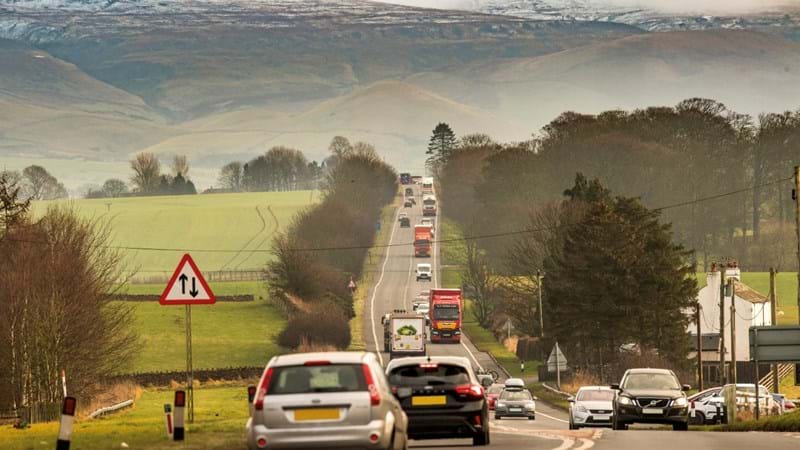
The project aims to dual the remaining single carriageway sections of the A66 between M6 Junction 40 and the A1 at Scotch Corner, covering 18 miles in total. Various contractors, including Balfour Beatty, Keltbray, and Kier, were engaged for this extensive development, though Costain has since withdrawn.
Despite acknowledging a benefit-cost ratio of 0.90, which indicates a negative return on investment, National Highways is continuing with the project, citing its essential role in regional economic growth and infrastructure improvement. The government maintains that the project is crucial for ‘levelling-up’ the northern regions, despite its economic inefficiencies.
National Highways expressed disappointment over the legal challenge, underscoring their belief that the project will enhance safety and reliability for drivers while boosting the regional economy. They continue with preparatory works despite the potential impact of the ongoing legal proceedings.
The legal challenge against the A66 road project underscores the tension between economic development and environmental sustainability.

