
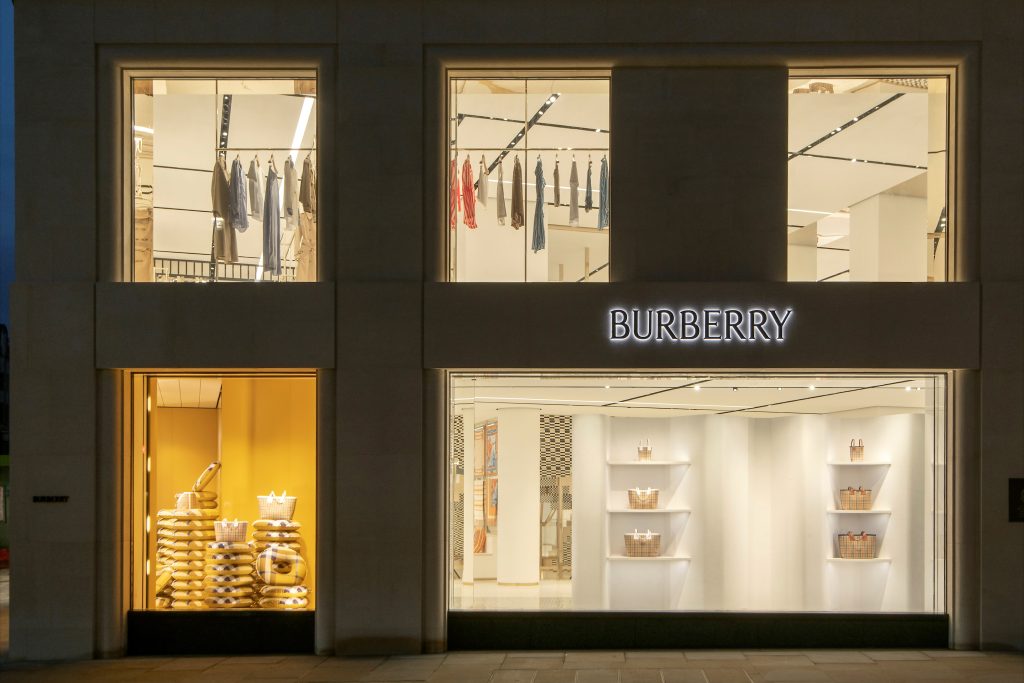

The appointment of Joshua Schulman as Burberry’s new CEO marks a pivotal moment. As the previous Michael Kors CEO, Schulman faces the challenge of reviving Burberry’s fortunes.
Burberry announced the departure of its CEO Jonathan Akeroyd following a significant decline in revenue. This change, coinciding with a drop in share prices, prompts questions about Burberry’s strategic direction.
Burberry’s decision to replace its CEO appears to stem from recent financial difficulties. The company’s revenue fell by 22% year-on-year, triggering a substantial decline in share prices. This prompted immediate action to restore investor confidence and address underperformance.
Industry analysts suggest that Burberry’s pricing strategy did not align with market realities. The decision to increase prices was at odds with consumer demand and brand positioning, necessitating a reassessment.
His compensation package reflects the confidence Burberry places in his leadership. Schulman will earn a £1.2m base salary, with additional bonuses and shares, highlighting the importance of his role.
Schulman’s US background introduces a fresh perspective to Burberry. His extensive understanding of retail dynamics is anticipated to influence Burberry’s future trajectory.
The focus on creativity and commerce is expected to guide Burberry’s evolution. Aligning creative outputs with business objectives is likely to be a critical aspect of Schulman’s strategy.
The company’s price positioning and customer engagement strategies require careful consideration. Schulman’s track record suggests the potential for innovative approaches.
Burberry’s swift action to appoint Schulman reflects the urgency of the situation. The transition is aimed at stabilising the brand amidst financial turbulence.
Burberry’s strategic leadership change is a response to recent challenges, signalling a new phase. With Joshua Schulman’s expertise, the future offers both challenges and the potential for revitalisation.
