

Asda undergoes a leadership transition as co-owner Mohsin Issa steps back.
- Lord Stuart Rose assumes operational control amid plunging market share.
- Rose brings extensive retail experience from roles at top UK retailers.
- Analysts view Rose’s leadership as a temporary but stabilising measure.
- Challenges remain, including finding a permanent CEO solution.
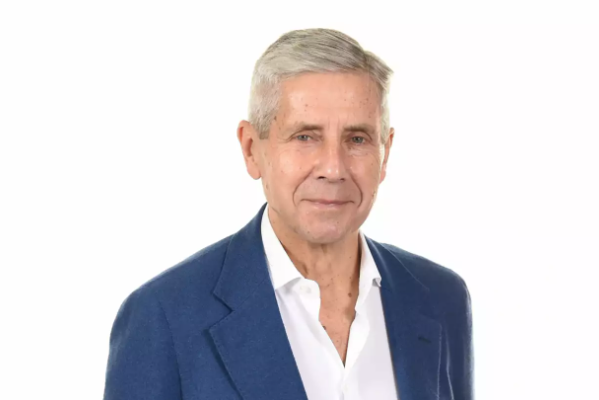
Asda has announced a significant restructuring in its leadership, with co-owner Mohsin Issa stepping back from his executive role. Lord Stuart Rose, currently the chair, will assume control of the retailer’s operations, supported by TDR Capital’s Rob Hattrell. This decision follows Rose’s candid remarks about the company’s disappointing performance, describing himself as “embarrassed” and seeking change.
Rose’s extensive experience in retail is noteworthy; he has previously served as CEO and executive chair at Marks & Spencer, where he played a pivotal role in reversing the company’s fortunes during his tenure. Rose’s other executive roles have included positions at the Burton Group, Argos, Booker, and Arcadia, while his non-executive career spans influential posts at Woolworth and Ocado.
Industry analysts offer mixed opinions on Rose’s new role at Asda. Shore Capital’s Clive Black believes that Rose’s familiarity with Asda’s ownership structure is advantageous, though he is unlikely to be a long-term fixture. Paul Meechan of Detail Business Consulting emphasizes Rose’s adeptness in assembling talented teams and allowing them free rein to execute their roles.
Eleanor Simpson-Gould, a senior retail analyst at GlobalData, finds Rose’s appointment “reassuring” due to his and Hattrell’s experience in large retail operations. Nevertheless, she warns that the transition must be rapid to mitigate Asda’s declining sales. Conversely, Nick Bubb finds Rose’s role “underwhelming,” arguing that a more permanent solution is needed.
The challenge of securing a new CEO for Asda persists. Despite the Isa brothers’ offer of a substantial remuneration package, no suitable candidates have emerged. Analysts suggest that previous involvement by the Issa brothers has been a deterrent, along with Asda’s trading and IT difficulties, although recent changes may alleviate these issues.
The path forward requires decisive action; the company’s online grocery market share, which ended 2023 at a peak of 20.8%, underscores the potential for digital growth. Rob Hattrell’s expertise in this area could prove invaluable, yet the overall leadership structure must stabilise quickly to ensure long-term success.
Lord Stuart Rose’s interim stewardship marks a critical juncture for Asda, with immediate challenges demanding swift solutions.

