
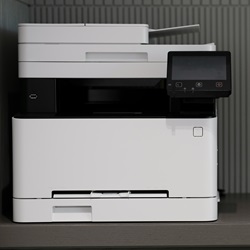

In a pioneering move to reduce carbon footprints, a City law firm has implemented a no-print policy for its lawyers working on a government project. This initiative is part of a broader strategy to decarbonise legal services across the board. The project involved collaboration with the Government Legal Department, utilising advanced digital tools to enhance efficiency and sustainability.
- Only one in-person meeting occurred, underscoring the emphasis on remote collaboration.
- The firm employed a digital dashboard to minimise email traffic, streamlining communication channels.
- This approach notably reduced emissions, significantly cutting carbon intensity and overall footprint.
- The initiative exemplifies a potential model for future client engagements, aligning environmental goals with commercial objectives.
In a concerted effort to address environmental concerns, a City law firm has initiated a project requiring its lawyers to electronically sign an agreement abstaining from printing documents. This effort is aimed at supporting a low-carbon service for the Government Legal Department (GLD). Caroline Connolly, the environmental sustainability manager at the firm, highlighted that this four-month initiative emphasised remote operation, barring an introductory meeting. Innovative dashboards were employed to curtail email dependency, fostering a streamlined communication process.
Involving approximately 40 lawyers, the project engaged with Defra Legal Advisers across five distinct teams. The initiative not only emphasised reduced physical commuting, facilitated by a hybrid work model where lawyers operated from home for two-fifths of their professional time, but also eliminated the need for traditional postal or courier services due to the abolishment of document printing, as agreed upon by the participating lawyers.
The firm is optimistic that the strategies adopted will serve as a ‘blueprint’ for other client projects, potentially facilitating an overarching decarbonisation of its legal services. In pursuit of achieving net zero carbon emissions by 2040, the firm proposed this innovative concept to Defra, establishing an initial emissions baseline to identify necessary alterations vital for decarbonisation and subsequent data acquisition.
The infrastructure supporting this environmental milestone, Legal Front Door, was instrumental in the journey towards minimising email traffic. This tool, based on Thomson Reuters HighQ software, enabled Defra to access specialist advice efficiently and monitor their comprehensive legal expenditure. The switch from traditional emails to this dashboard system yielded a 78% reduction in carbon intensity, according to Suresh Arasaratnam, senior legal project manager.
Overall, the firm’s low-carbon service resulted in a marked 44% reduction in carbon footprint, equating to a decrease of around 120kg CO2e or the energy required for approximately 14,597 smartphone charges. Connolly expressed pride in the firm’s strides towards a ‘genuinely low carbon service’, stressing the firm’s commitment to further integrating net zero practices into daily operations as a critical step towards enduring environmental impact.
This innovative project underscores the potential for law firms to align environmental responsibility with commercial viability, setting a precedent for sustainable legal practices.

