

A significant £1bn heat network project in Westminster aims to boost investment, reduce carbon emissions, and create jobs.
- The South Westminster Area Network (Swan) is part of initial UK heat network zones in six cities for sustainable energy solutions.
- Heat networks are more cost-effective and efficient than individual building solutions, offering 40% savings to consumers.
- The project will cover a vast area in Westminster, including potential heat sources from the Thames and the London Underground.
- Swan is expected to cut CO2 emissions significantly, improve air quality, and provide numerous business and employment opportunities.
A major initiative for a £1bn heat network has been announced in Westminster, signifying progress in investment and effort towards reducing carbon emissions and creating jobs. This initiative marks the debut of the South Westminster Area Network (Swan) as one of the UK’s pioneering ‘heat network zones’, encompassing six cities nationwide. Heat networks are regarded as an economical alternative for decarbonisation compared to individual air source heat pumps for buildings.
Heat networks operate by leveraging waste heat from local resources, thus reducing reliance on imported fuel and promoting efficient energy use. Typically, consumers benefit from approximately a 40% reduction in costs with heat networks compared to isolated building solutions. The Westminster heat network envisions low-carbon heating, potentially sourcing heat from the London Underground, the Thames, or local sewers. Moreover, the option of transporting heat via river barges is being considered.
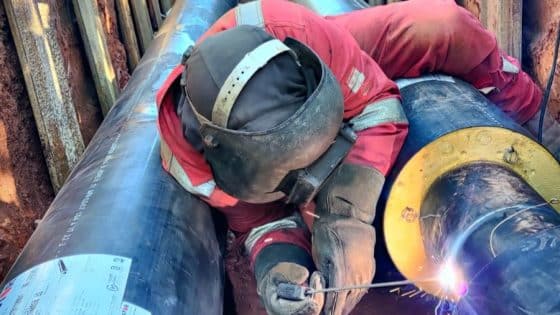
The distribution of heat will be managed through a network of insulated underground pipes carrying hot water across a designated zone, stretching from Victoria station to Temple Underground station, and extending to the vicinity of St James’s Park. This bold project is set to annually offset 75,000t of CO2 emissions, equivalent to the removal of 40,000 cars from the streets. The initiative will also foster the creation of 500 job roles, reduce nitrogen oxides emissions by 99%, and generate 100 business opportunities within the UK.
Swan represents a collaborative venture between the Department for Energy Security and Net Zero (DESNZ) and Westminster City Council, executed by the Swan Partnership—entailing renowned UK heat network developers Hemiko and Vital Energi. The London Heritage Quarter and Aecom are notable contributors supporting this venture’s expansion. The partnership is responsible for facilitating funding, construction, and operation of the heat network. The projected investment milestones include £100M in the first three years, £500M over ten years, and an eventual £1bn by 2050, making it one of the most substantial undertakings in the UK.
While specific buildings set to benefit from this network are yet to be confirmed, iconic landmarks such as the Houses of Parliament and the National Gallery are among potential beneficiaries. The overarching ambition is for major towns and cities across the UK to adopt similar district heat networks by 2050, necessitating substantial private investment exceeding £100bn, and generating significant employment opportunities.
Construction of the Swan network is slated to begin in 2026. According to Miatta Fahnbulleh, the Minister for Energy Consumers at DESNZ, the project harnesses waste heat from the River Thames and London Underground to heat iconic sites, exemplifying the transition towards affordable, low-carbon heating solutions.
Westminster City Council’s leader, Adam Hug, emphasised the project’s importance in tackling carbon emissions and air pollution by tapping into local waste heat sources to offer clean, cost-efficient energy. Toby Heysham, Hemiko CEO, underscored the project’s commitment to imposing high-quality green jobs and opportunities within local communities, akin to the investment potential of the UK offshore wind industry.
In summary, the inception of this heat network highlights significant strides towards decarbonisation, embodying a model set to influence further developments across the nation.
The Westminster heat network underscores a step forward in sustainable energy, promising substantial benefits in carbon reduction and employment.

