
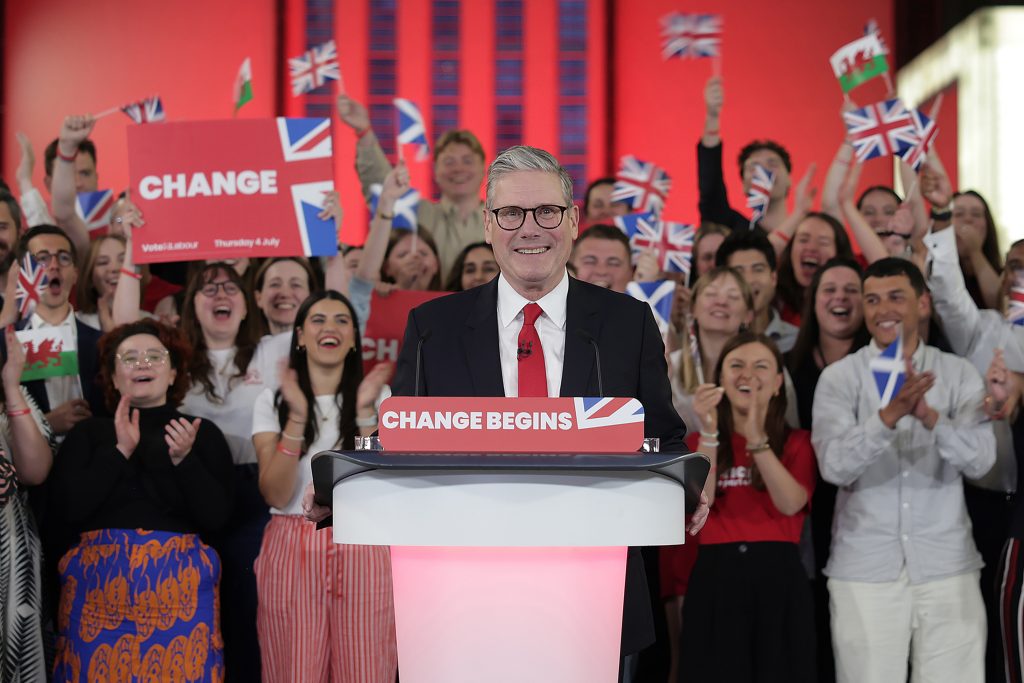

The Labour Party has achieved a significant parliamentary majority following the general election, garnering over 400 seats.
This victory marks a momentous shift after 14 years under Conservative rule, heralding a new direction in national policy and governance.
Historic Victory for Labour Party
In an unprecedented turn of events, the Labour Party secured an overwhelming majority, marking a pivotal shift in the United Kingdom’s political landscape. This outcome concludes over a decade of Conservative governance, paving the way for new policy directions under Labour leadership.
Labour’s victory was underscored by winning over 400 out of 650 seats in parliament. Such an electoral landslide demonstrates a significant vote of confidence from the electorate, indicating a desire for substantial changes in government policies and priorities.
Immediate Reactions and Celebrations
Labour leader Sir Keir Starmer addressed a jubilant crowd at the Tate Modern, articulating a vision of hope and renewal. In his speech, he stated, “Now we can look forward. Walk into the morning, the sunlight of hope…” His words resonated with supporters eager for reform and progress.
The election results not only buoyed the spirits of Labour supporters but also had immediate economic repercussions. The sterling saw a modest rise against the dollar, and UK markets showed signs of optimism, reflecting investor confidence in the new administration.
Labour’s Strategic Campaign Pledges
The Labour Party’s manifesto played a crucial role in this electoral triumph. Key proposals included overhauling the business rates system, promising fairer taxation and fostering economic growth across both high street and online businesses.
Additionally, the pledge to address retail crime by introducing specific offences for assaults on shopworkers was well-received. This showed Labour’s commitment to tackling grassroots issues affecting everyday citizens.
Another cornerstone of Labour’s campaign was its focus on youth employment. By promising to replace the apprenticeships levy with a more flexible system, Labour aims to enhance opportunities for young people, ensuring access to training and apprenticeships.
Economic and Market Reactions
The financial markets responded positively to Labour’s win, with key indices experiencing an uptick. The FTSE 100 Index rose slightly, while the FTSE 250 reached its highest level since April 2022. Such market movements suggest a cautious optimism about Labour’s economic policies.
Sterling’s value demonstrated stability, rising mildly against the US dollar and maintaining its position against the euro. Investors appear to interpret Labour’s proposed economic reforms as conducive to a stable and potentially flourishing market environment.
Impact on International Trade and Relations
Labour’s stance on international trade marks a shift from previous Conservative policies. Their manifesto highlights a commitment to dismantling unnecessary trade barriers, albeit without rejoining the EU’s single market or customs union.
This approach signals a pragmatic path forward in international relations, potentially fostering new bilateral trade agreements while maintaining a distinctive stance on UK’s sovereignty.
Outlook for the Labour Government
With a majority in the House of Commons, Labour is positioned to enact comprehensive policy changes. Their agenda focuses on social equity, economic rejuvenation, and enhanced public services.
Concerns remain regarding details of their proposed business rate reforms, which are anticipated eagerly by various sectors. Clarity and effectiveness in policy implementation will determine Labour’s success in meeting public expectations.
Conclusion and Future Implications
Labour’s decisive victory ushers in a new era of governance in the UK. As the party assumes control, the electorate anticipates significant policy shifts that align with Labour’s campaign promises and public aspirations.
The future under Labour leadership remains eagerly observed.
Anticipations are high for impactful policy implementations that deliver on their electoral promises.

