
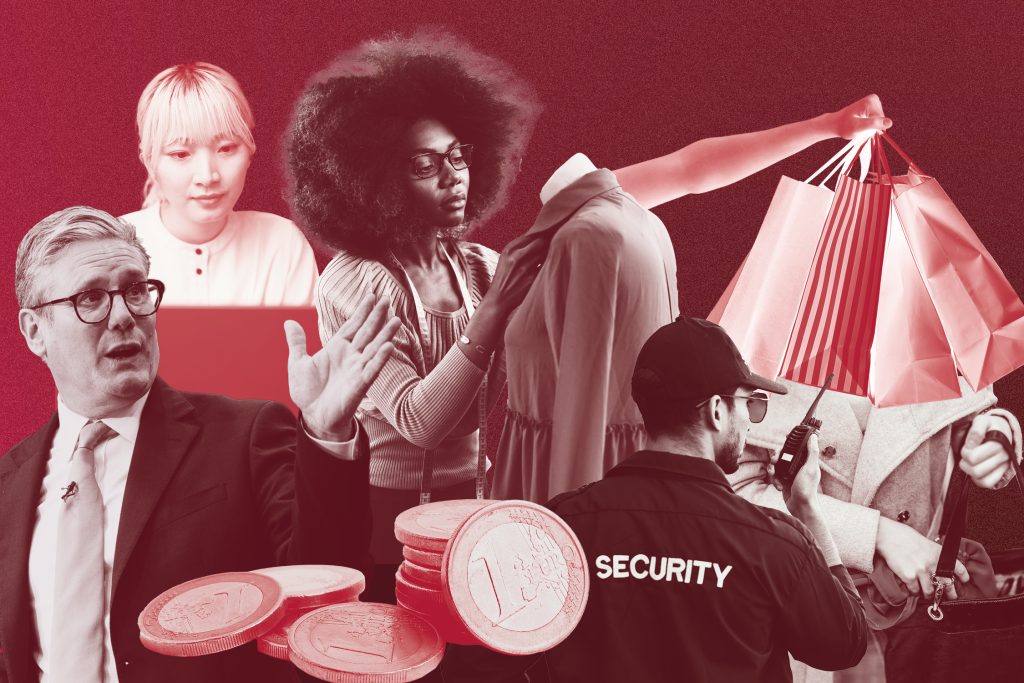

Labour’s government has embarked on an ambitious journey to revitalise the fashion retail industry. Initiatives focusing on sustainability and growth are at the forefront.
The impact of these policies is already manifesting across the sector, though not without provocations. Proponents and critics alike are evaluating the ramifications.
Introduction of Labour Policies
In the brief period since Labour’s ascent to power, the party has swiftly introduced a wide array of policy initiatives aimed at rejuvenating the fashion retail sector. Their swift action underscores their commitment to addressing industry-specific challenges immediately. Key policies focus on sustainable practices, providing incentives for eco-friendly operations.
Impact on Sustainable Fashion
Labour’s policy direction appears to align with the burgeoning demand for sustainable fashion. By offering grants and tax relief to businesses reducing their carbon footprint, the government encourages more brands to embrace sustainability. This shift is poised to reshape how fashion retailers operate, fostering a greener industry.
Despite these incentives, certain factions within the industry argue that the current measures do not sufficiently address the financial burdens smaller retailers face. The need for more substantial financial support remains a pressing concern.
Challenges in Implementation
Implementing these new policies has not been devoid of challenges. Several retailers have highlighted difficulties in integrating sustainability measures due to high upfront costs.
Furthermore, bureaucratic hurdles exacerbate these challenges, particularly for smaller enterprises with limited resources. Navigating these obstacles requires additional support from the government.
The industry calls for streamlined processes and clear guidelines to mitigate these issues. Without such support, the risk of policy failure looms over smaller retailers struggling to comply with the new regulations.
Reactions from Industry Leaders
Industry leaders have expressed mixed views on Labour’s policy measures. While some applaud the initiative, others call for a more comprehensive approach. The need for collaborative efforts between the government and the fashion industry is evident.
One CEO stated, “Although the government’s efforts are commendable, there is a significant gap between ambition and practicality. More needs to be done to ensure policies translate into actionable support for businesses.”
Consumer Response
Consumer reactions to these policies have been cautiously optimistic. Many individuals welcome the government’s commitment to sustainability, frequently expressing support on social media platforms.
However, some consumers remain sceptical about the policy’s long-term impact, questioning whether it will result in tangible changes in retail practices.
Overall, consumers are keenly observing how these policies will influence their shopping experiences, particularly in terms of product availability and pricing.
Potential for Economic Growth
The potential for economic growth in the fashion retail sector under Labour’s policies is substantial. By incentivising local production and sustainable practices, the government aims to boost employment and stimulate the economy.
However, the realisation of this growth heavily relies on effective policy implementation and industry cooperation.
Future Outlook
Looking ahead, the fashion retail industry remains hopeful yet cautious. The success of Labour’s policies is contingent upon addressing existing challenges and fostering genuine collaboration with industry stakeholders.
The fashion retail sector is at a crossroads under Labour’s new governance. Success hinges on overcoming implementation barriers.
The industry’s progression depends on the government’s ability to adapt policies to suit diverse retail environments.

